Reset Password

Retreat Venues UK

You’re drowning in browser tabs trying to find the perfect retreat venue UK has to offer.

Our platform includes dozens of venues there, and we’re about to save you weeks of research.

Price on Request
Price on Request
Price on Request
Price on Request
Price on Request
From $ 1,300 /night
Guests:22
Extra Guests:0
9
12
Price on Request
Guests:40
Extra Guests:0
16
16
From $ 2,400 /night
Guests:20
Extra Guests:8
10
10

The Truth About UK Venues Nobody Tells You

Here’s what most websites won’t say outright:

Not all country manor photos reflect current reality. Some “secluded retreats” sit next to busy roads. The gap between marketing images and actual experiences can be jarring.

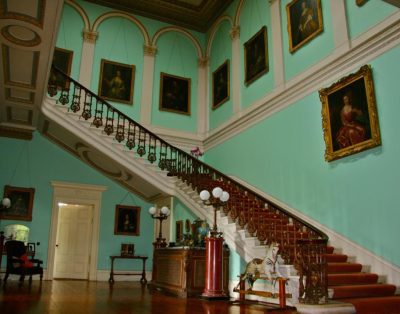
Britain has earned its reputation for characterful retreat venues UK properties. However, that heritage comes with challenges. Historic buildings often lack modern amenities wellness groups expect. Understanding these trade-offs helps you choose wisely.

Weather influences British retreats more than organizers initially realize. Rain isn’t just an inconvenience—it affects outdoor programming, participant mood, and even heating costs. Moreover, seasonal daylight hours dramatically impact scheduling possibilities.

Regional Breakdown: Where You Actually Want to Be

Choosing the right region shapes your entire retreat experience. Each area offers distinct advantages that organizers must consider carefully.

Scottish Highlands Magic

The Highlands deliver dramatic landscapes that transform retreat experiences. Mountains, lochs, and vast open spaces create natural settings for deep work. Furthermore, the region’s remoteness encourages genuine disconnection from daily life.

Properties here range from converted castles to modern eco-lodges. Many occupy truly isolated locations—the nearest town might be 30 minutes away. This seclusion appeals to groups seeking profound retreat from modern distractions.

Highland advantages include:

  • Lower pricing than southern England (20-30% savings)
  • Spectacular natural beauty
  • Authentic Scottish culture and hospitality
  • Excellent whisky and local food
  • Total privacy at remote venues

Highland considerations:

  • Weather unpredictability year-round
  • Midges (small biting insects) May through September
  • Limited transport links to remote properties
  • Shorter winter daylight hours
  • Some venues close November through March

Summer delivers the best Highland weather and longest days. However, midge season overlaps with peak summer months. Early autumn often provides ideal conditions—fewer insects, beautiful colours, and reasonable weather.

Lake District Appeal

The Lakes combine accessibility with natural beauty effectively. Manchester and Edinburgh sit within three hours. Train connections serve Windermere and Penrith stations well. Consequently, participant travel logistics run more smoothly than remote Scottish venues.

Lakeland venues often occupy Victorian buildings with period character. Converted hotels, historic lodges, and country houses provide atmospheric settings. The region’s literary heritage—Wordsworth, Beatrix Potter—adds cultural depth to retreat experiences.

Lake District strengths:

  • Year-round operation at most venues
  • Excellent hiking literally from property doors
  • Strong local food culture
  • Well-developed tourism infrastructure
  • Beautiful in all seasons

Lake District limitations:

  • Popular tourist destination means crowds
  • Higher pricing than less-known regions
  • Weather remains unpredictable
  • Parking can be challenging at some venues
  • Summer holidays bring peak tourist traffic

Shoulder seasons offer the best Lake District value. April-May and September-October deliver decent weather, lower rates, and manageable tourist numbers. Winter creates cozy atmospheres but limits outdoor activities.

Cornwall and Devon Coastal Charm

Southwest England provides Britain’s warmest weather and most relaxed atmosphere. The Gulf Stream moderates temperatures, making year-round outdoor programming more feasible. Additionally, coastal locations offer beach access few other UK regions can match.

Cornwall attracts yoga retreats and wellness programs particularly. The region’s spiritual heritage—from ancient stone circles to modern alternative communities—creates supportive energy for transformational work. Devon offers similar benefits with slightly easier access from London.

Southwest advantages:

  • Warmest UK weather
  • Stunning coastal scenery
  • Thriving local food scene
  • Surf culture and water activities
  • Artistic communities and creative energy

Southwest challenges:

  • Long travel times from most UK cities
  • Single main road causes summer traffic jams
  • Higher summer prices due to tourist demand
  • Limited train service to many venues
  • Some venues only operate April through October

Spring comes earliest to Cornwall and Devon. March and April see flowers blooming while northern Britain stays cold. This extended season provides programming opportunities other regions can’t offer.

Welsh Mountain Value

Wales delivers dramatic scenery at prices 15-25% below equivalent English venues. Snowdonia’s mountains rival Lake District beauty without the tourist density. Meanwhile, the Brecon Beacons offer gentle rolling landscapes perfect for contemplative retreats.

Welsh venues were discovered later by retreat organizers. This means less competition for bookings and more authentic local experiences. Properties here often have family ownership providing personal service commercial chains can’t replicate.

Welsh strengths:

  • Excellent value for money
  • Stunning mountain and coastal scenery
  • Rich cultural heritage
  • Fewer tourists than English equivalents
  • Strong outdoor activity infrastructure

Welsh considerations:

  • Weather similar to Lake District (frequent rain)
  • Welsh language can confuse some signage
  • Fewer direct transport connections
  • Some venues quite remote
  • Limited late-night dining options

Snowdonia excels for adventure-focused retreats. The Pembrokeshire coast provides beaches and coastal paths. Mid-Wales offers true seclusion at remarkably affordable rates.

The Real Cost of UK Retreat Venues

Let’s discuss actual money with honest numbers. Pricing for retreat venue UK properties varies more than most people expect.

Budget Options: £70-120 Per Person/Night

These venues deliver basic comfort without luxury touches. Expect simple rooms, potentially shared bathrooms, and straightforward home-style cooking. Budget properties work well for yoga teacher trainings, community groups, or programs where content matters more than accommodation.

What budget typically includes:

  • Clean, functional rooms
  • Three daily meals (often vegetarian)
  • Basic meeting space
  • Tea and coffee throughout the day
  • Shared lounges and gardens

Youth hostels, bunkhouses, and church retreat centers dominate this category. Many were purpose-built for groups and offer excellent facilities. YHA properties particularly deliver surprising quality at low rates.

University accommodation during summer holidays represents outstanding value. Student halls provide en-suite rooms, commercial kitchens, and meeting spaces at prices commercial venues can’t match. However, campus aesthetics lack the character historic venues provide.

Mid-Range: £120-250 Per Person/Night

This tier represents the sweet spot for most retreat organizers. Properties balance comfort with reasonable pricing effectively. Rooms feature private facilities and thoughtful design. Meals showcase local ingredients and cater to dietary requirements. Therefore, participant satisfaction typically runs high without destroying budgets.

Mid-range venues usually include:

  • Comfortable private or twin rooms
  • Quality bedding and towels
  • Varied meal options
  • Dedicated yoga or workshop spaces
  • Gardens and outdoor areas
  • Reliable wifi in common spaces
  • Experienced retreat-focused staff

Converted country houses and purpose-built retreat centers fill this category. Many have hosted hundreds of programs and understand retreat needs specifically. This experience prevents common problems and ensures smoother operations.

Luxury Tier: £250-500+ Per Person/Night

Premium retreat venues UK compete with five-star hotels. Expect exceptional design, gourmet cuisine, spa facilities, and impeccable service. These properties often provide complete packages including activities, therapies, and entertainment.

Luxury venues serve corporate leadership retreats, high-ticket transformational programs, and exclusive wellness experiences. The investment creates memorable experiences that justify premium pricing through quality and attention to detail.

Luxury typically features:

  • Designer or historic accommodations
  • Gourmet meals by trained chefs
  • Multiple specialized spaces
  • Spa treatments and therapies
  • Concierge services
  • Premium amenities throughout
  • Exceptional staff ratios

Some luxury venues occupy stately homes with genuine historical significance. Others feature cutting-edge sustainable design. Either way, the environment itself becomes part of the transformational experience.

Hidden Cost Factors

Beyond quoted rates, several factors significantly impact total costs. VAT adds 20% to most venue charges. Some quotes include VAT while others add it later—always clarify this immediately.

Minimum occupancy requirements force payment for empty beds. A venue requiring 20 guests but hosting your 15-person group means covering five unused spots. Negotiate minimum guarantees during booking conversations.

Weekend supplements apply at many venues. Friday and Saturday nights often cost 20-30% more than midweek rates. Consequently, Thursday-Sunday retreats cost significantly more than Sunday-Wednesday programs.

Strategic Seasonal Booking

Timing dramatically impacts both cost and availability. Understanding British seasonal patterns helps you make informed decisions.

Peak Summer Season (June-August)

Summer delivers Britain’s best weather chances and longest daylight hours. School holidays mean family-friendly retreats become possible. However, this period attracts maximum demand and commands premium pricing.

Popular retreat venue UK properties book 12-15 months ahead for peak summer weeks. Competition from weddings, corporate events, and festivals reduces availability further. Tourist traffic increases everywhere, affecting the peaceful retreat atmosphere.

Summer advantages:

  • Best weather probability
  • Maximum daylight (until 10pm June/July)
  • All venues operational
  • Outdoor programming possible
  • Easiest travel conditions

Summer challenges:

  • Highest annual pricing
  • Extreme booking competition
  • Tourist crowds at popular sites
  • Accommodation shortages in tourist areas
  • Premium rates for everything

Shoulder Season Sweet Spots (April-May, September-October)

These months offer ideal balancing of weather, pricing, and availability. Rates drop 20-35% compared to summer peaks. Meanwhile, weather remains reasonable for outdoor activities. Venues become significantly more flexible with negotiations.

British springs can be genuinely beautiful. April and May bring flowers, lambs, and increasing daylight. September and October often deliver surprisingly good weather as tourist crowds disappear.

Shoulder season advantages:

  • Significantly lower rates
  • Better venue availability
  • Decent weather (especially May and September)
  • Less competition for dates
  • More attentive venue service
  • Autumn colours (October)

Booking 8-10 months ahead typically secures preferred shoulder season dates. Last-minute availability occasionally emerges as corporate groups postpone or cancel bookings.

Winter Opportunities (November-March)

Winter brings the lowest rates and maximum flexibility. Prices can be 40% below summer peaks. However, short daylight hours and cold weather limit outdoor programming significantly.

Cozy winter retreats create unique opportunities. Log fires, candlelight, and indoor intimacy foster different group dynamics. Christmas and New Year periods particularly suit retreats when people have time off work.

Winter advantages:

  • Lowest annual pricing
  • Easy booking even short notice
  • Cozy, intimate atmosphere
  • Winter landscapes have stark beauty
  • Holiday periods suit working people

Winter considerations:

  • Daylight only 8am-4pm (December/January)
  • Cold and damp conditions
  • Heating costs sometimes added separately
  • Transport disruptions from weather
  • Some coastal venues close entirely

Scottish Highland venues particularly excel in winter. Snow-capped mountains, dramatic skies, and cozy interiors create magical retreat settings. However, confirm venues have proper heating and weather backup plans.

Hidden Venue Options Worth Considering

The best retreat venue UK choices often hide in unexpected places. Think beyond traditional retreat centers.

Former Monasteries and Abbeys

Religious communities welcome secular groups during available dates. These properties offer peaceful settings at remarkably reasonable rates. Centuries of spiritual practice embed these places with contemplative energy regardless of participants’ beliefs.

Monastic venues typically maintain quiet atmospheres. Meals are simple, wholesome, and often vegetarian. Accommodations are clean and comfortable rather than luxurious. Many communities still live on-site, lending authentic spiritual presence.

Prices often run 30-40% below comparable commercial venues. However, alcohol is typically prohibited. Respectful behavior and adherence to house rules are expected. These venues suit groups genuinely seeking contemplative experiences.

Working Farms and Rural Estates

Agricultural properties transformed into retreat spaces offer authentic countryside experiences. Farm-to-table dining happens literally—vegetables and meat come from surrounding fields. Morning animal feeding can become grounding ritual for participants.

Farm venues work particularly well for smaller groups of 12-25 people. The intimate scale creates powerful bonding that larger commercial properties rarely achieve. Participants often describe these experiences as deeply restorative rather than merely comfortable.

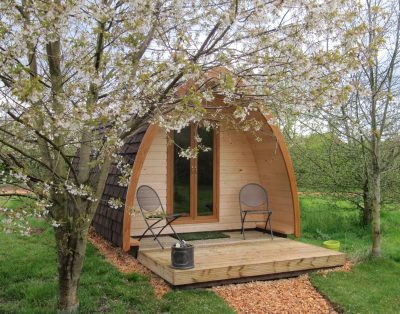
Pricing typically runs 20-30% below commercial venues in similar locations. Infrastructure may be simpler—some farms offer glamping accommodation rather than traditional rooms. However, the authenticity and personal attention often outweigh minor convenience sacrifices.

National Trust Properties

The National Trust manages historic buildings across Britain. Some properties offer group accommodation and meeting spaces during specific periods. These venues provide genuine historical settings at surprisingly reasonable rates.

Trust properties range from medieval manor houses to Victorian shooting lodges. Architectural significance and historical atmosphere create memorable backdrops. However, conservation requirements mean certain modern conveniences may be limited.

Booking National Trust venues requires patience with their systems. However, the combination of historical significance, natural beauty, and reasonable pricing rewards persistence. These venues particularly suit retreats where environment significantly contributes to program themes.

University Conference Centers

British universities operate conference facilities year-round, with peak availability during summer holidays. Modern conference centers rival commercial hotels while student halls provide budget options.

Academic settings offer legitimate meeting spaces with proper AV equipment, breakout rooms, and presentation technology. Sports facilities, libraries, and campus grounds provide additional programming possibilities. Campus locations usually offer good transport links.

Pricing ranges from budget (halls of residence) to mid-range (conference centers). Meal quality varies but typically meets decent standards. Summer and Easter breaks provide maximum availability.

Transportation Logistics That Matter

Getting participants to your retreat venue UK location deserves careful planning. British transport infrastructure varies dramatically by region.

Train Access Reality

Britain’s rail network serves many retreat locations well. The Lake District, Yorkshire, and areas near major cities offer reliable train connections. However, rural venues often sit miles from nearest stations.

Check last-mile transport options carefully. Some venues provide collection services from local stations. Others leave groups to arrange taxis or minibuses independently. These costs and logistics must be factored into planning.

Train strikes occasionally disrupt services. Build backup plans into your schedule. Coach services provide alternatives but take significantly longer.

Coach and Group Transport

Private coach hire works well for groups traveling together from major cities. London-based groups can travel to most UK venues within 4-5 hours. Costs split across 20+ people become reasonable per person.

National Express and Megabus serve many towns near retreat venues. However, multiple changes and long journey times make public coaches challenging for groups. They work better for individuals joining retreats independently.

Driving and Parking Considerations

Remote venues require car access. British rural roads are narrow, winding, and sometimes poorly maintained. Satellite navigation doesn’t always reflect actual road conditions or surface quality.

Parking capacity matters for venues where most participants drive independently. Some historic properties have limited on-site parking. Others charge parking fees that increase overall costs.

Winter weather can close rural roads temporarily. Snow affects Scottish and Welsh mountain routes particularly. Always have contingency plans for weather disruptions.

The UK Retreat Food Reality

Let’s talk honestly about meals at British retreat venues.

In-House Dining Standards

Venue kitchens vary enormously in capability and ambition. Some properties employ talented chefs creating genuinely excellent meals. Others provide basic institutional catering that meets minimum standards without inspiring anyone.

British retreat food has improved dramatically over recent years. Farm-to-table movements and increased dietary awareness have raised quality substantially. However, expectations should remain realistic—you’re getting group catering, not restaurant dining.

Traditional British cooking appears frequently on menus. This means roasts, pies, and hearty comfort food. International options are increasingly common but vary by venue sophistication and chef backgrounds.

Dietary Accommodation

Vegetarian and vegan meals are now standard at virtually all retreat venue UK properties. Plant-based eating has become common enough that venues plan for it automatically. Quality varies but availability doesn’t.

Gluten-free requirements need advance notice but are manageable everywhere. Celiac-level precautions require specific conversation. Not all venues have completely separate preparation areas preventing cross-contamination.

Multiple complex dietary needs create challenges. Provide detailed information 30 days ahead minimum. The more specific your requirements, the better kitchens can prepare. Some smaller venues honestly can’t accommodate extensive restrictions.

Self-Catering Options

Some venues allow groups to self-cater using provided kitchen facilities. This option dramatically reduces costs while increasing meal control. However, it adds significant workload to organizers.

Self-catering works well for smaller groups with strong cooking volunteers. Larger groups find commercial kitchen operations overwhelming. Additionally, grocery shopping in rural areas can be more challenging than expected.

Tea Culture Reality

Tea and coffee throughout the day are standard at British venues. This isn’t a minor detail—it’s deeply embedded in UK culture. Afternoon tea breaks provide natural programming pauses that shouldn’t be eliminated.

Biscuits (cookies) accompany tea automatically. This might seem trivial but participants genuinely appreciate these small comforts during intensive retreat work.

Technology and Connectivity Truth

Modern groups need realistic expectations about British retreat venue technology.

Internet Quality Varies

Rural broadband remains problematic across much of Britain. Remote Highland venues might have barely functional wifi. Even properties with connections often have insufficient bandwidth for 20+ people simultaneously online.

Test connectivity before booking if internet is critical. Request video calls from the venue to reveal actual performance. Evening usage when all guests are online shows real-world conditions.

Urban and suburban venues typically have robust internet. However, historic buildings with thick stone walls create dead zones even with good overall connectivity.

Mobile Coverage Gaps

UK mobile networks don’t cover everywhere equally. Remote valleys, mountain areas, and some coastal locations have limited or zero coverage. Different carriers perform differently at the same location.

Verify coverage for your specific venue. EE generally has broadest UK coverage but isn’t universal. Having multiple carriers across your group provides backup communication options.

Technology Backup Plans

Never rely on technology functioning perfectly at remote venues. Have offline alternatives for essential elements. Print schedules rather than depending on digital displays. Download music and media rather than streaming.

Some venues charge separately for AV equipment use. Projectors, sound systems, and screens might incur daily rental fees. Clarify these costs during initial conversations.

Essential Booking Checklist

Don’t commit to any retreat venue UK property without verifying these elements.

Weather Contingency Plans

British weather demands indoor backup spaces. Even summer retreats need covered alternatives for outdoor programming. Verify venues have adequate indoor space if rain forces schedule changes.

Heating matters more than southern Europeans expect. British buildings can be cold even in summer evenings. Confirm heating is available and included in pricing. Some venues charge heating supplements during shoulder seasons.

Insurance and Liability

Most venues require proof of liability insurance. Public liability policies covering £2-5 million are standard. Some venues offer insurance purchase options if you lack coverage.

Cancellation insurance protects your financial investment. Weather-related cancellations, illness, or other emergencies can occur. Budget £300-500 for adequate coverage depending on retreat value.

Contract Clarity

Everything belongs in your written agreement. Payment schedules, cancellation terms, included services, and extra charges should be documented explicitly. Verbal promises mean nothing legally.

Cancellation policies vary dramatically between venues. Some refund deposits minus administrative fees with adequate notice. Others keep payments regardless of circumstances. Understand these terms before committing.

Accessibility Requirements

British buildings vary enormously in accessibility. Historic properties often have stairs, narrow doorways, and challenging layouts. Modern purpose-built centers provide better accessibility but less character.

Verify specific accessibility features needed by your group. Ground-floor rooms, wheelchair access, hearing loops, and accessible bathrooms must be confirmed in advance.