Sumberkima Hill, Retreat Center for 8 to 50+ in North Bali
Description
Sumberkima Hill, Retreat Center for 8 to 50+ Guests in North Bali
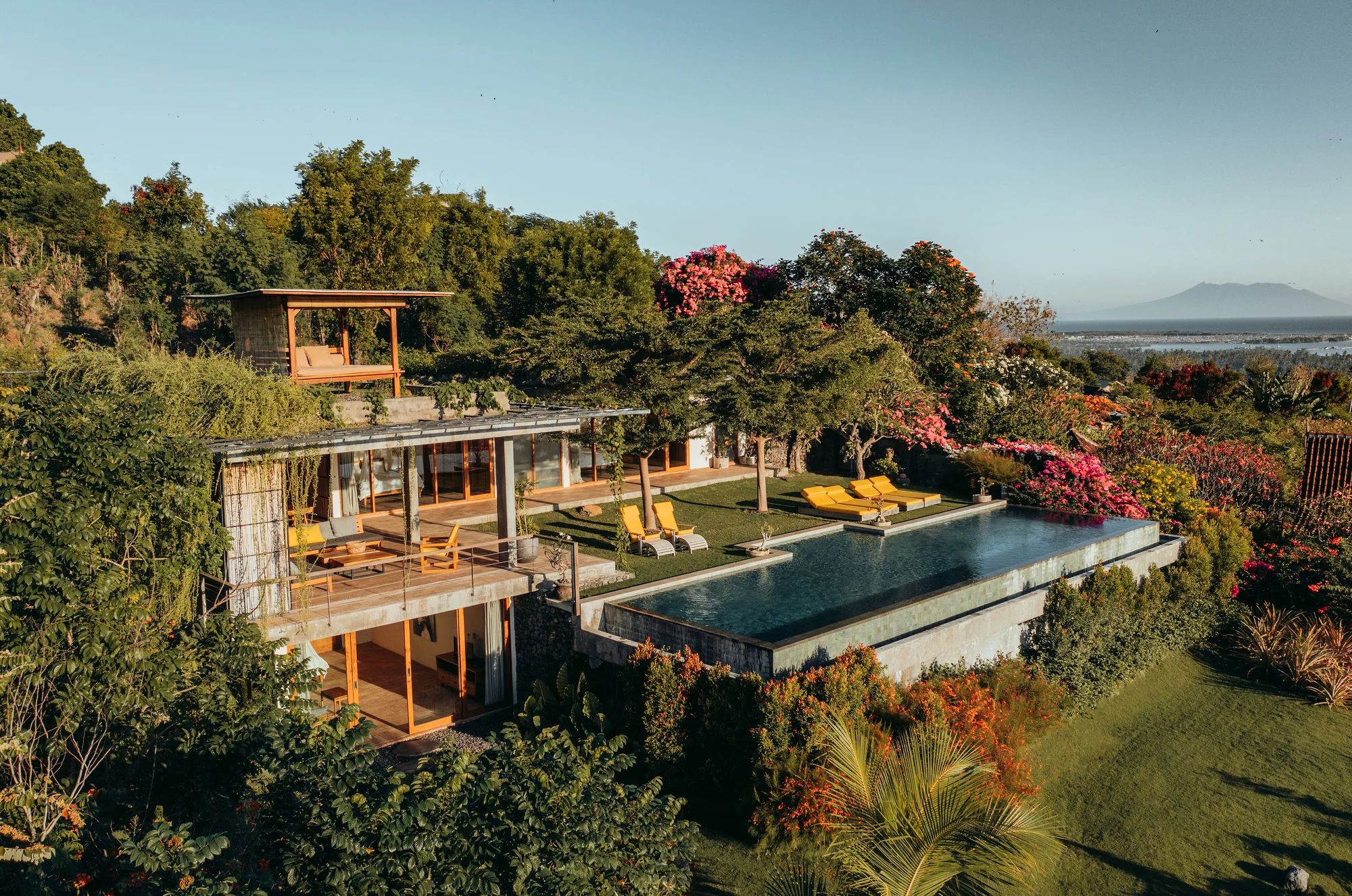
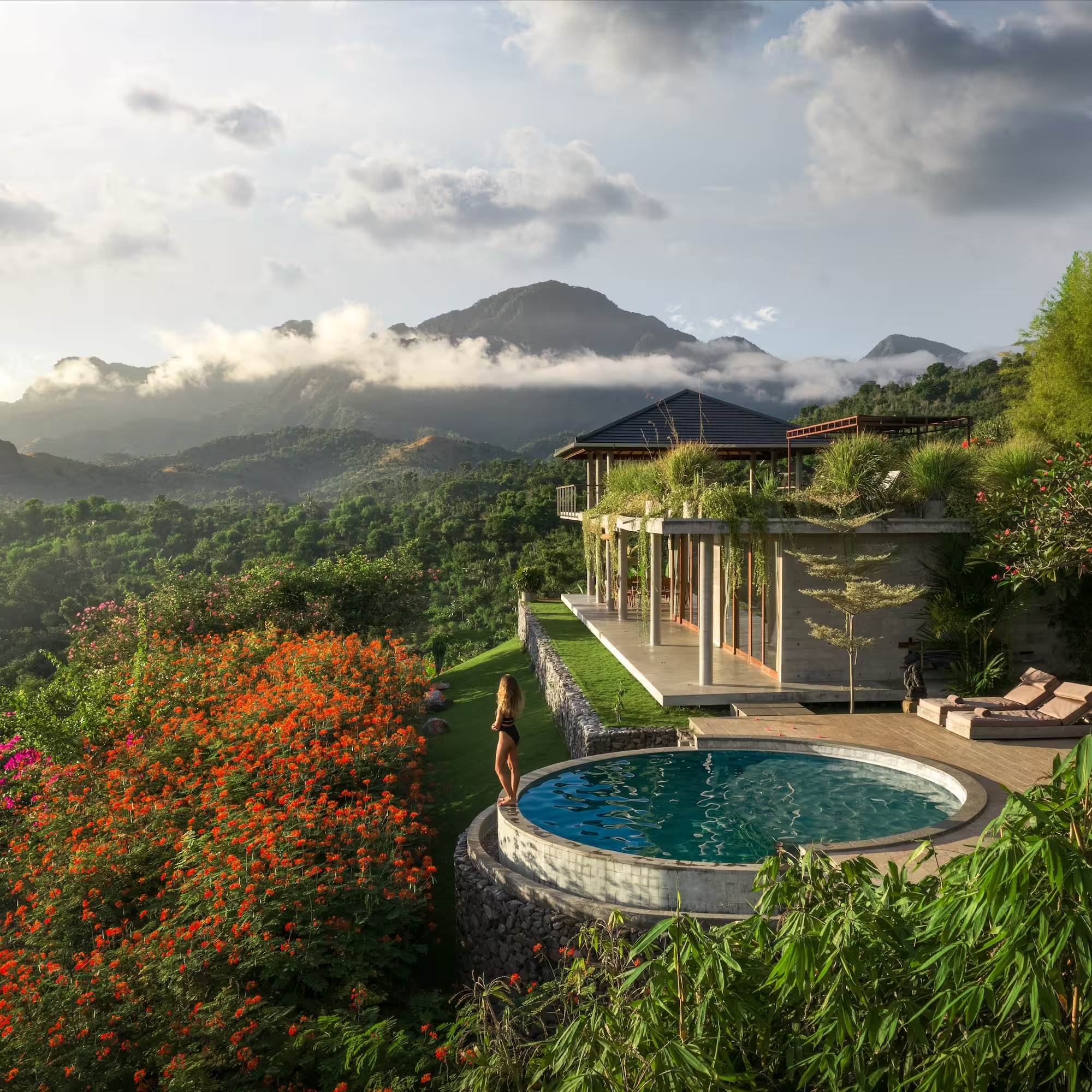
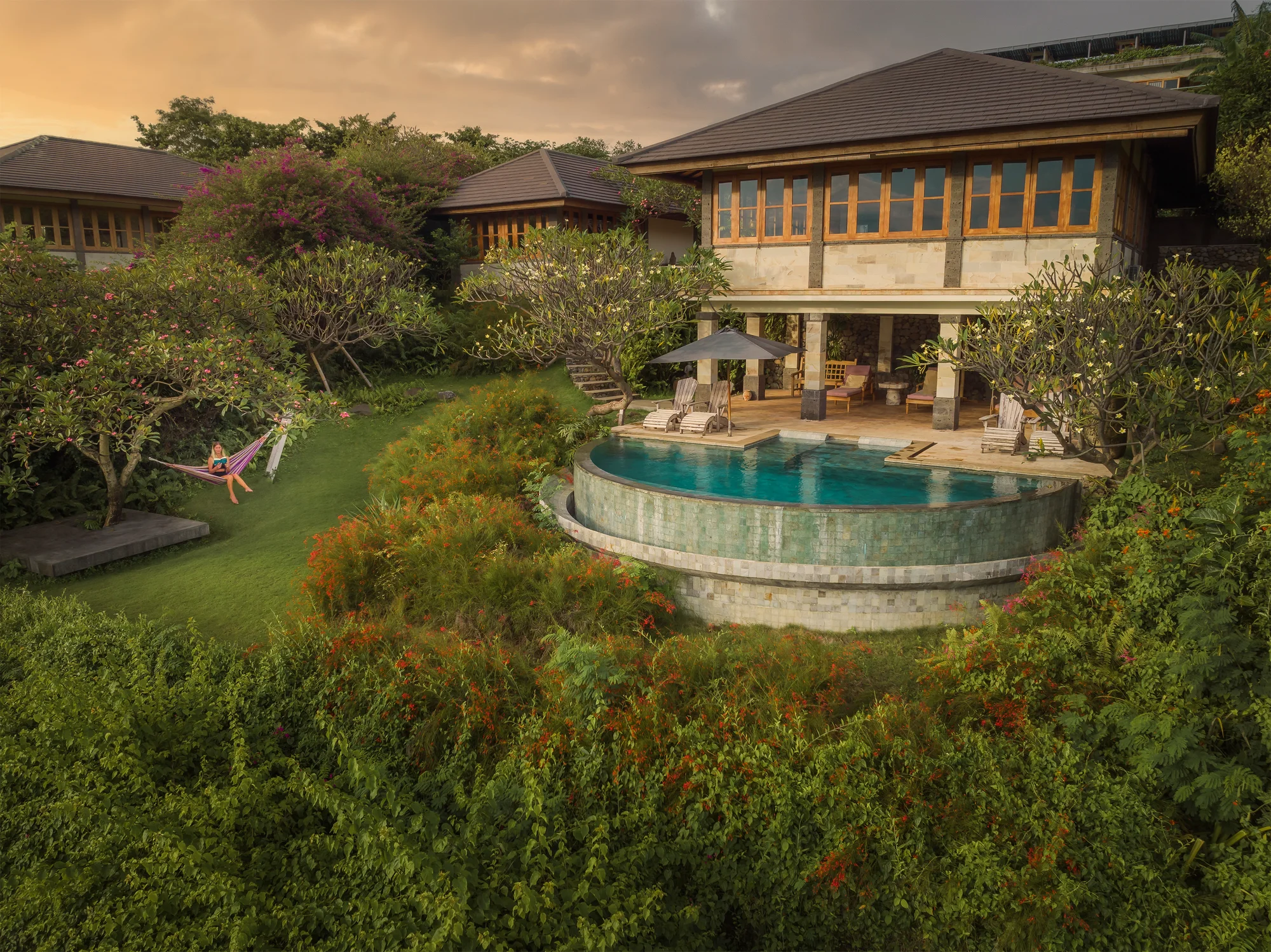
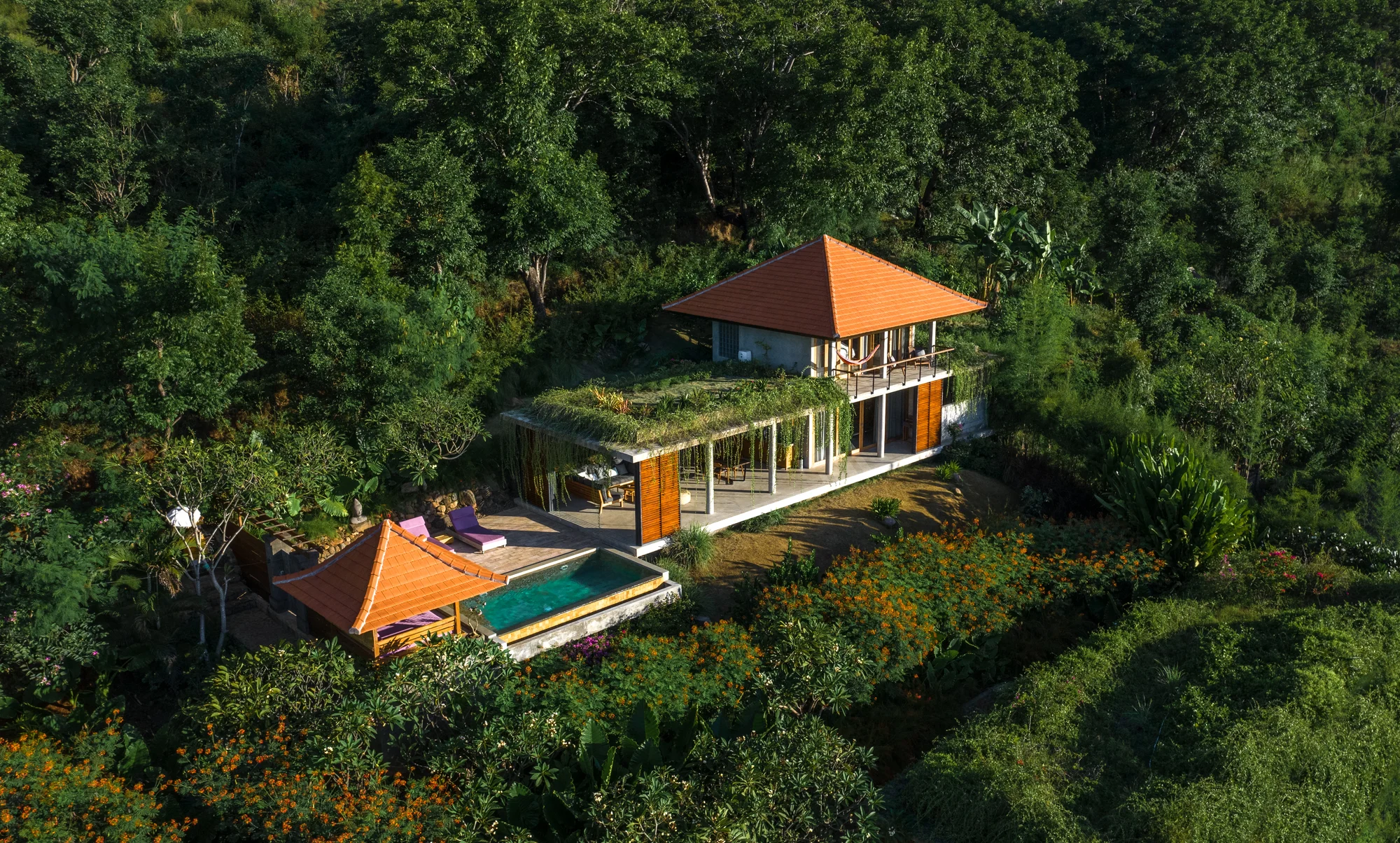
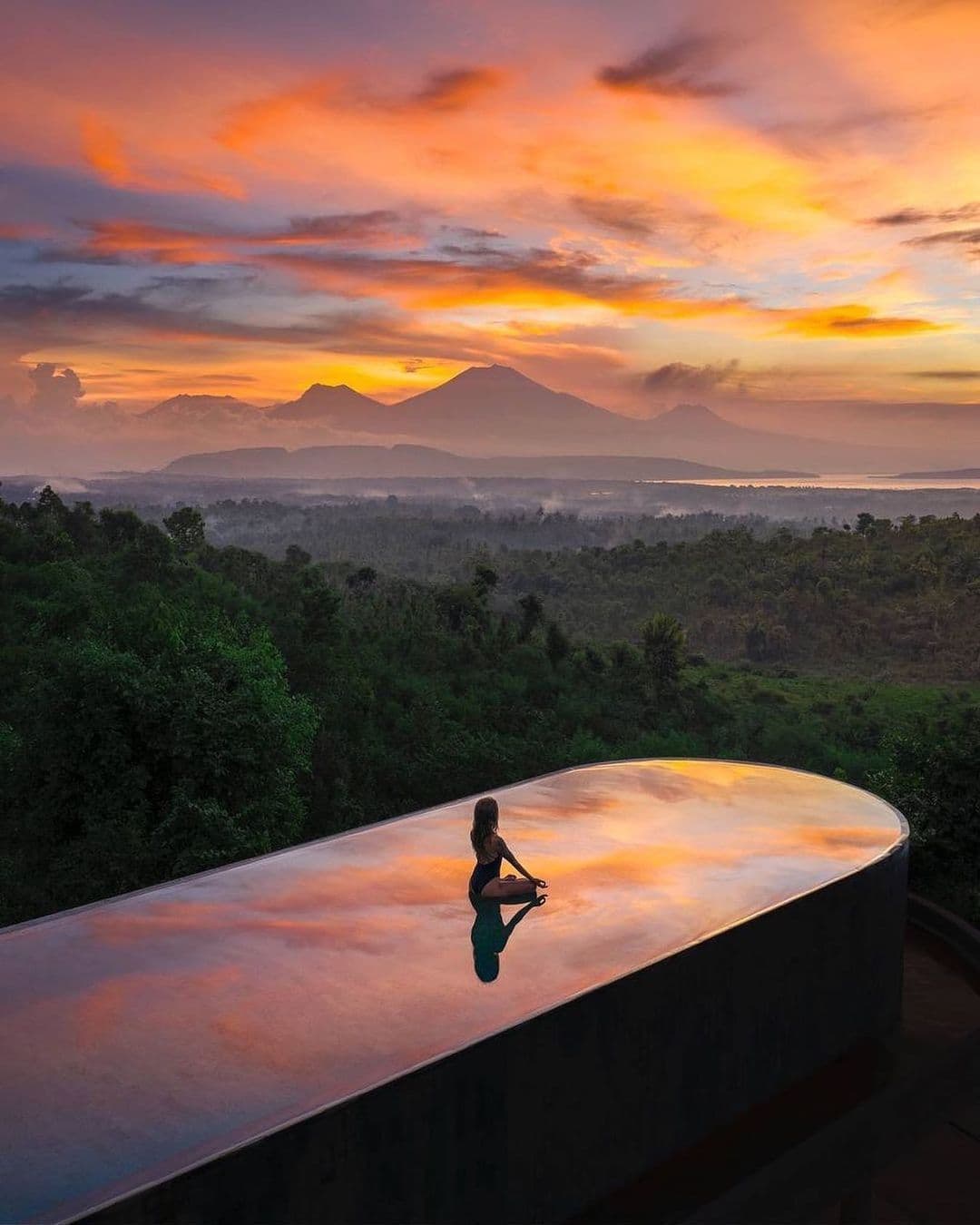
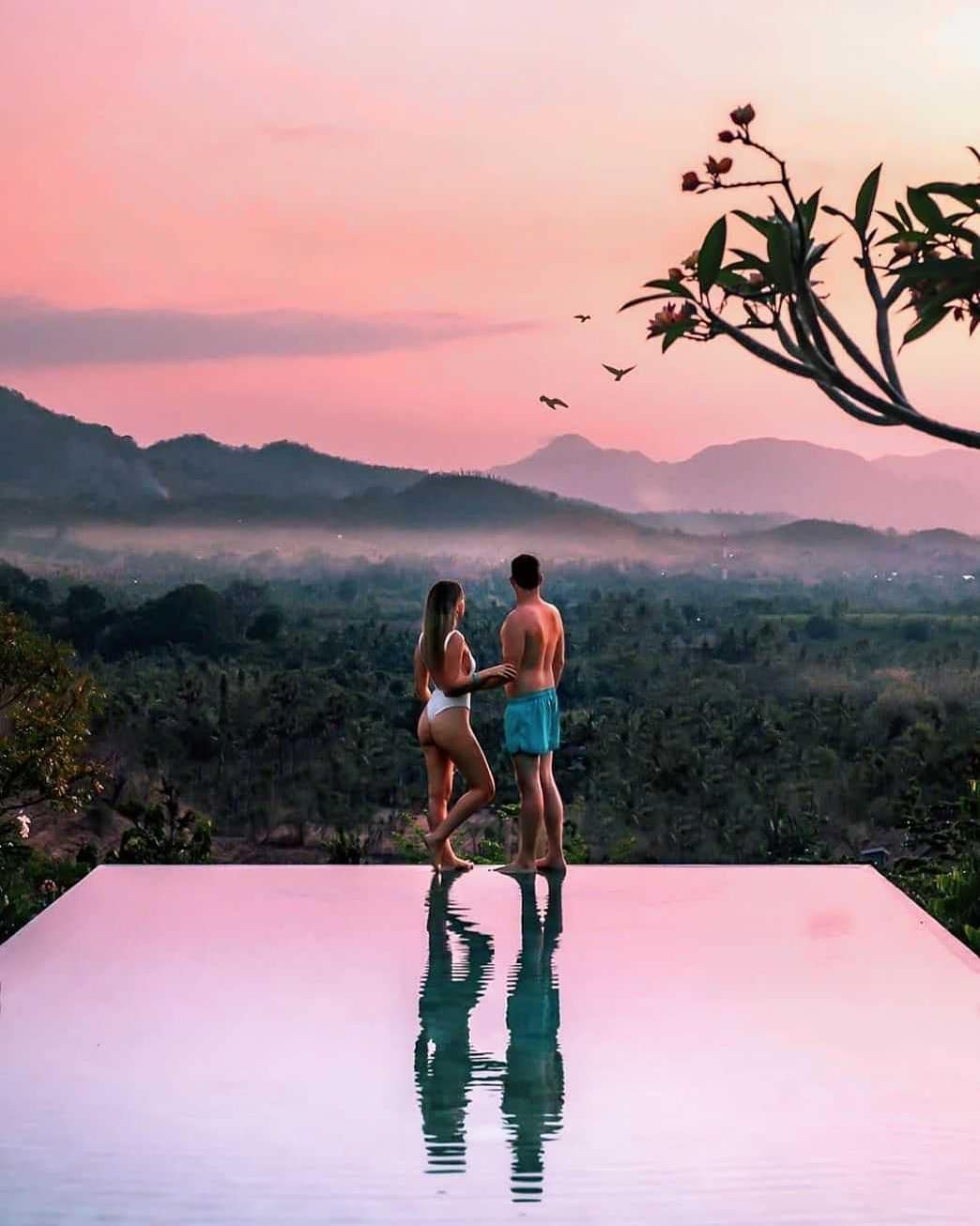
Sumberkima Hill is a hillside retreat village in the quiet northwest of Bali, five minutes inland from the village of Sumberkima and ten minutes from the coastal village of Pemuteran. Over 80 private villas are spread across a tropical landscape overlooking rice fields, mountains and the Java Sea, so the estate hosts groups from an intimate circle of 8 to a gathering of 50 or more. Rates start at 70 USD per person per night including programme, with a three-night minimum and a minimum group of six. Ngurah Rai International Airport in Denpasar is three to five hours away by road, and transfers can be arranged. It suits yoga and movement retreats, dive and ocean retreats, corporate offsites and facilitator trainings.
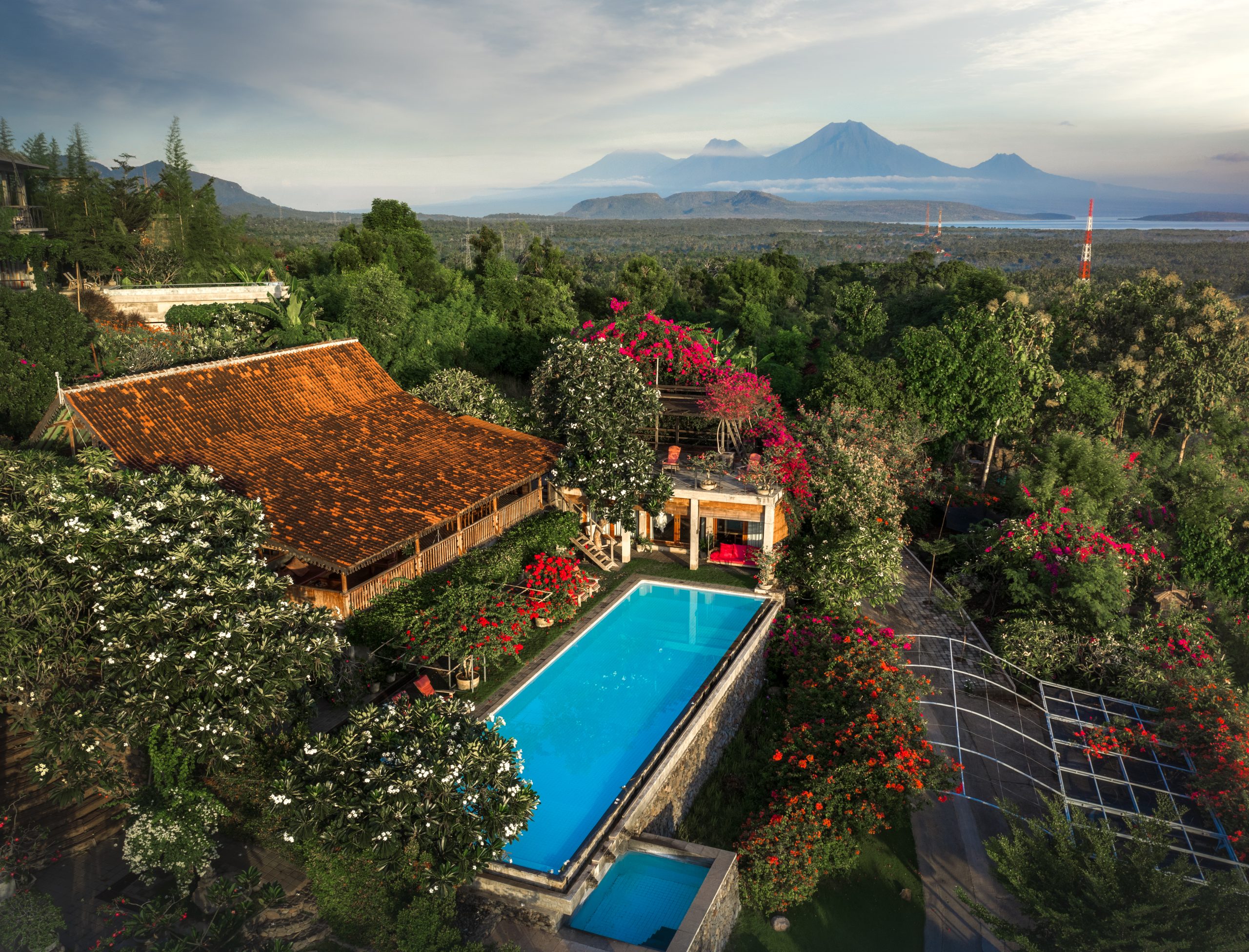
The Estate and Its Villas
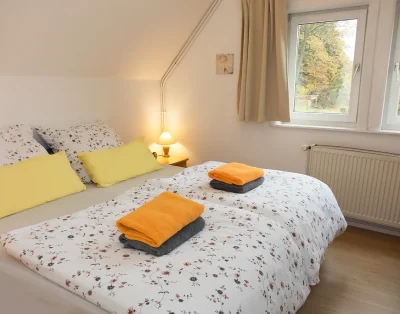
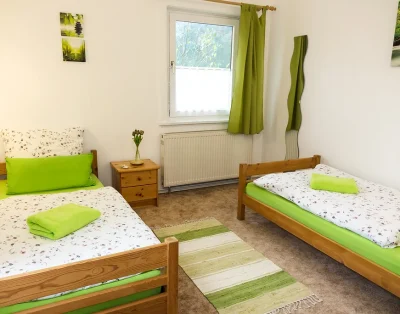
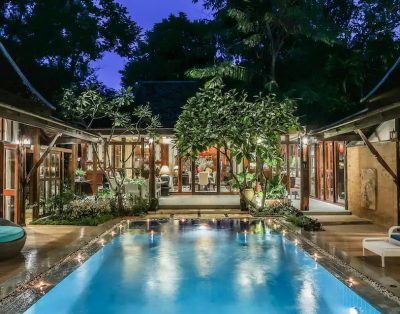
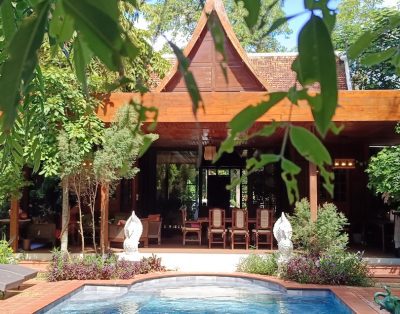
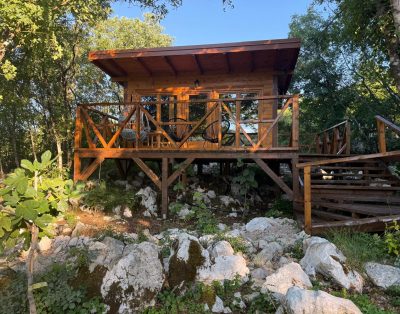
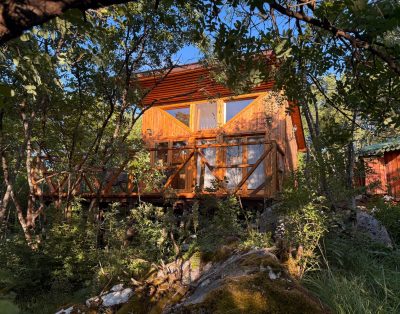
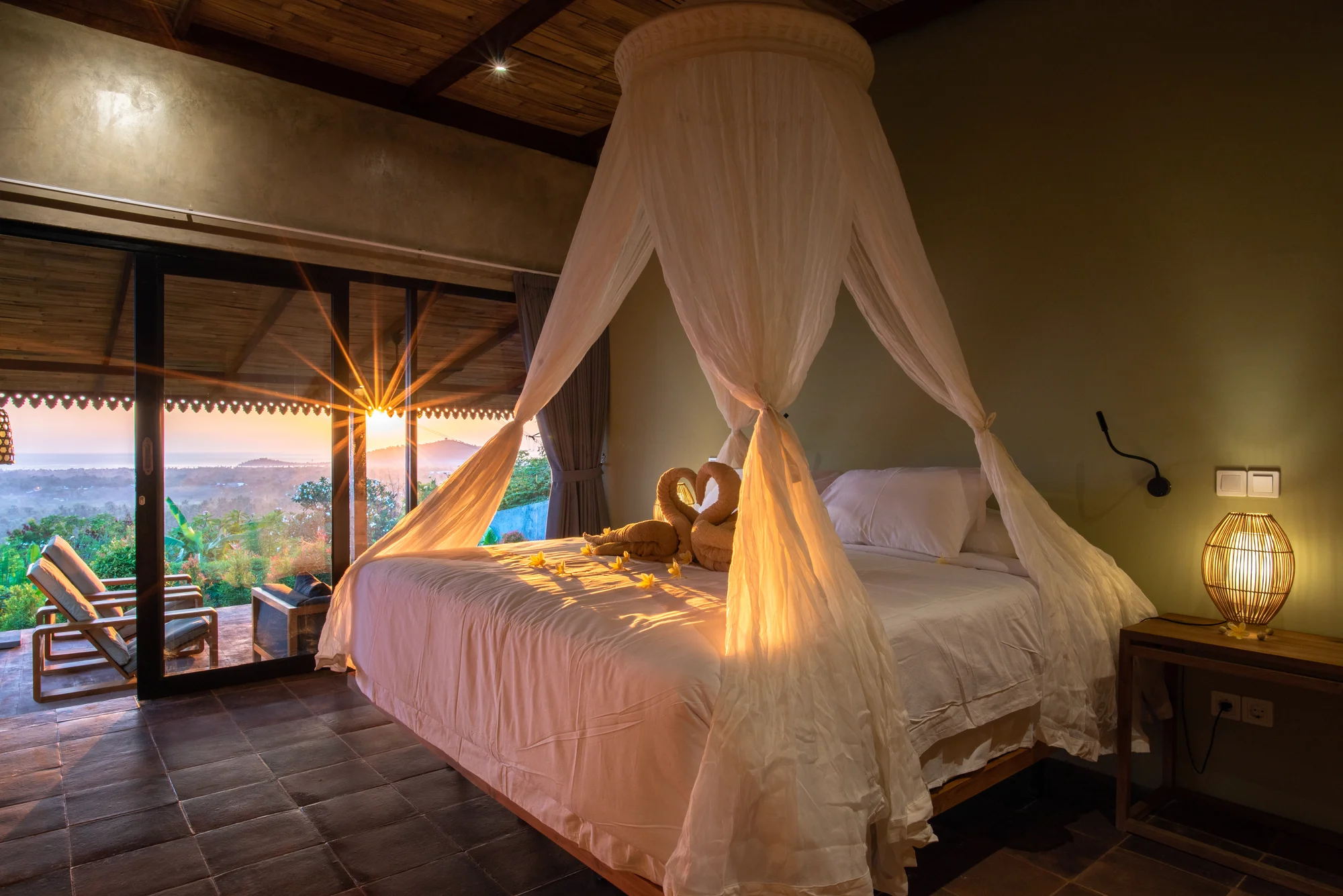
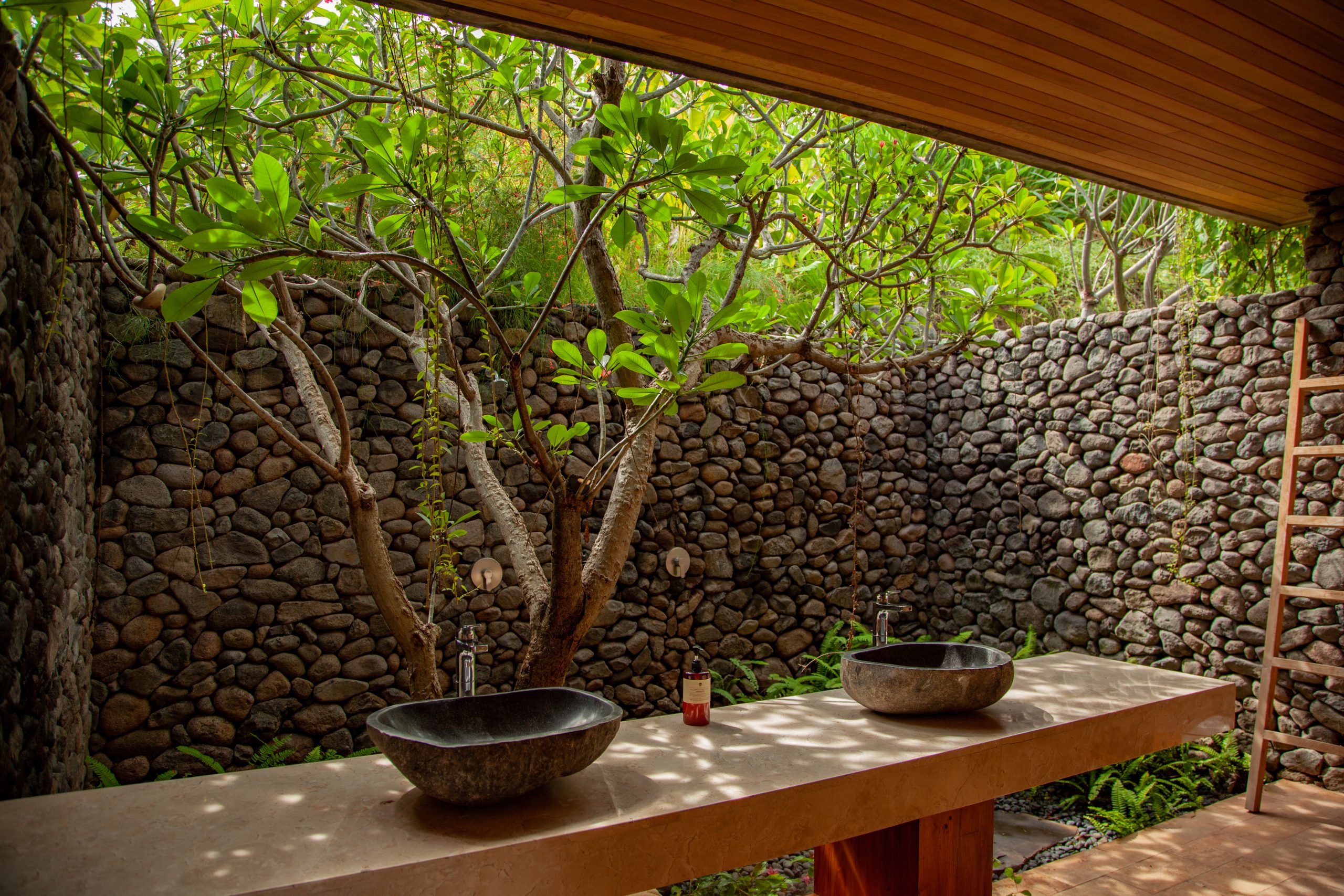
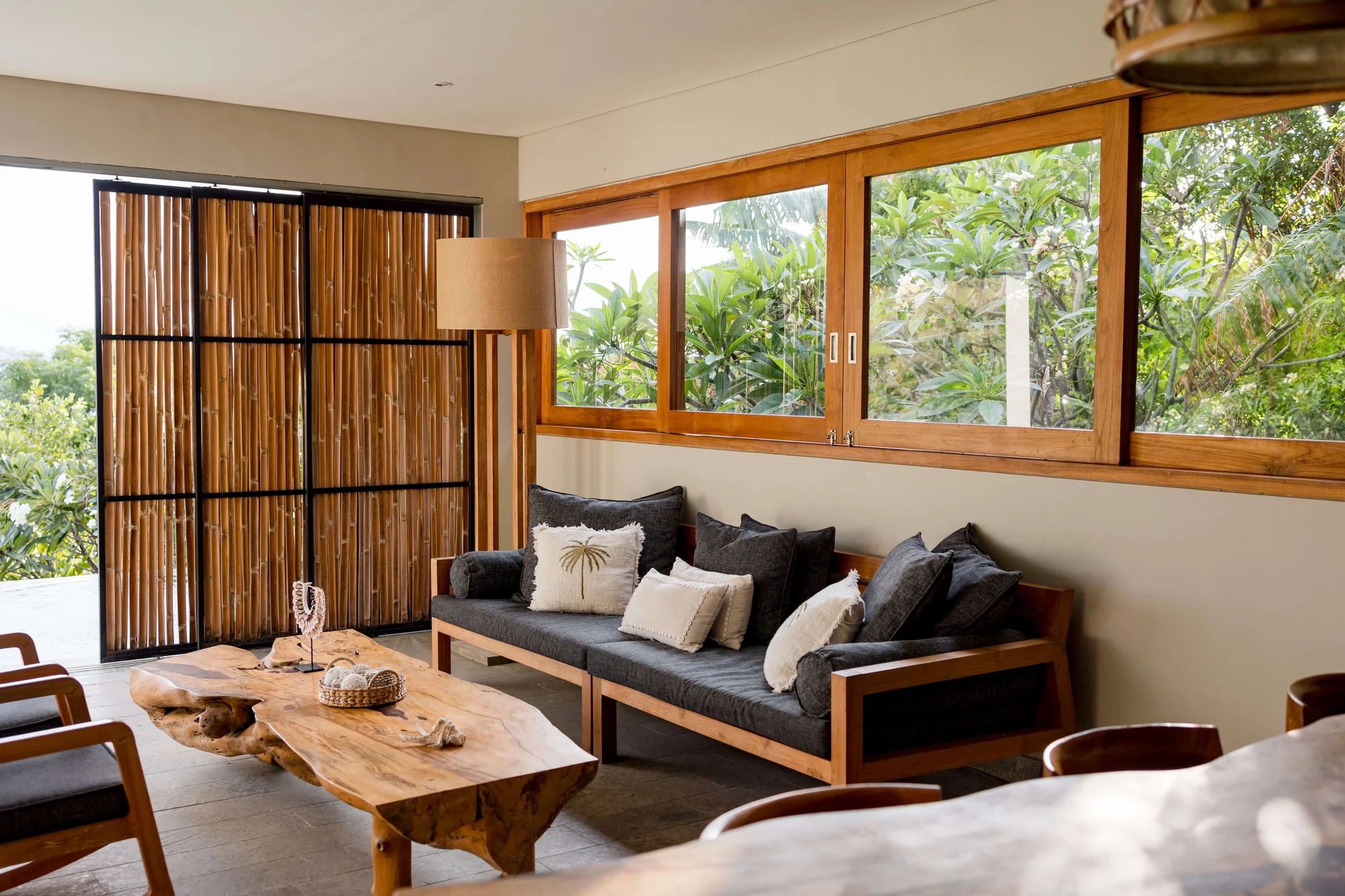
What began as a small community of homes has grown into a mosaic of private houses and shared spaces, making it a natural setting for retreats of any size. Your group stays in its own private cluster of villas, whether that is a circle of 8 or a gathering of 50 or more in a dedicated section of the estate. Multiple groups can be hosted at the same time without crossing paths, so your retreat always feels like the only one there.
The rate includes private villa accommodation, linen and towels, wifi, drinking water, daily housekeeping, access to the shared facilities including the pools, gym and yoga shala, and transport around the estate on the on-site shuttle. Check-in is at 15:00 and check-out at 11:00. Meals, airport transfers, excursions, spa treatments and the use of the shalas and other group rooms are quoted separately and can all be arranged as part of a tailored group proposal. There is a 10 per cent discount for bookings made 60 days in advance, and a 10 per cent discount for group bookings.
Spaces for Your Programme
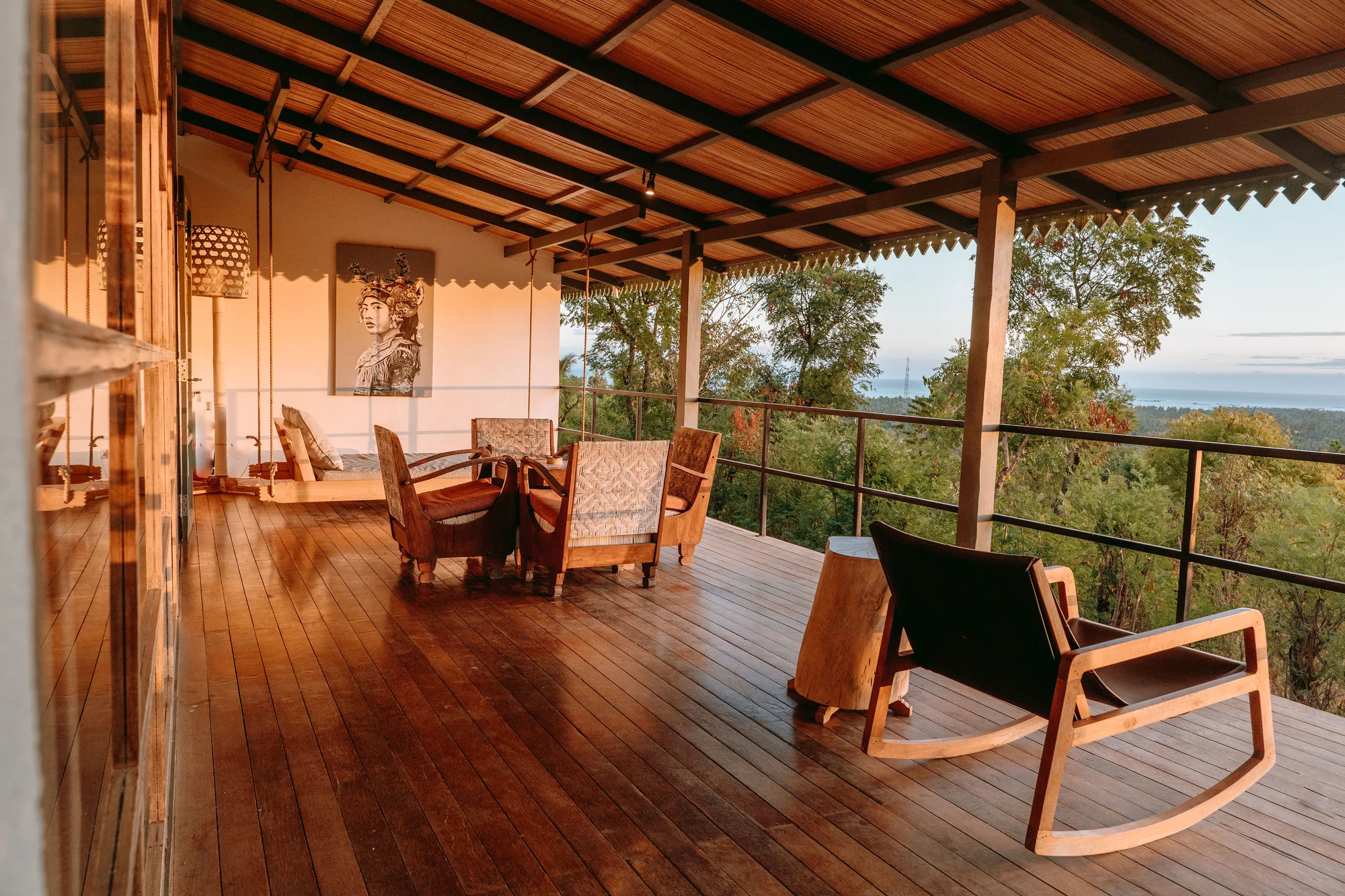
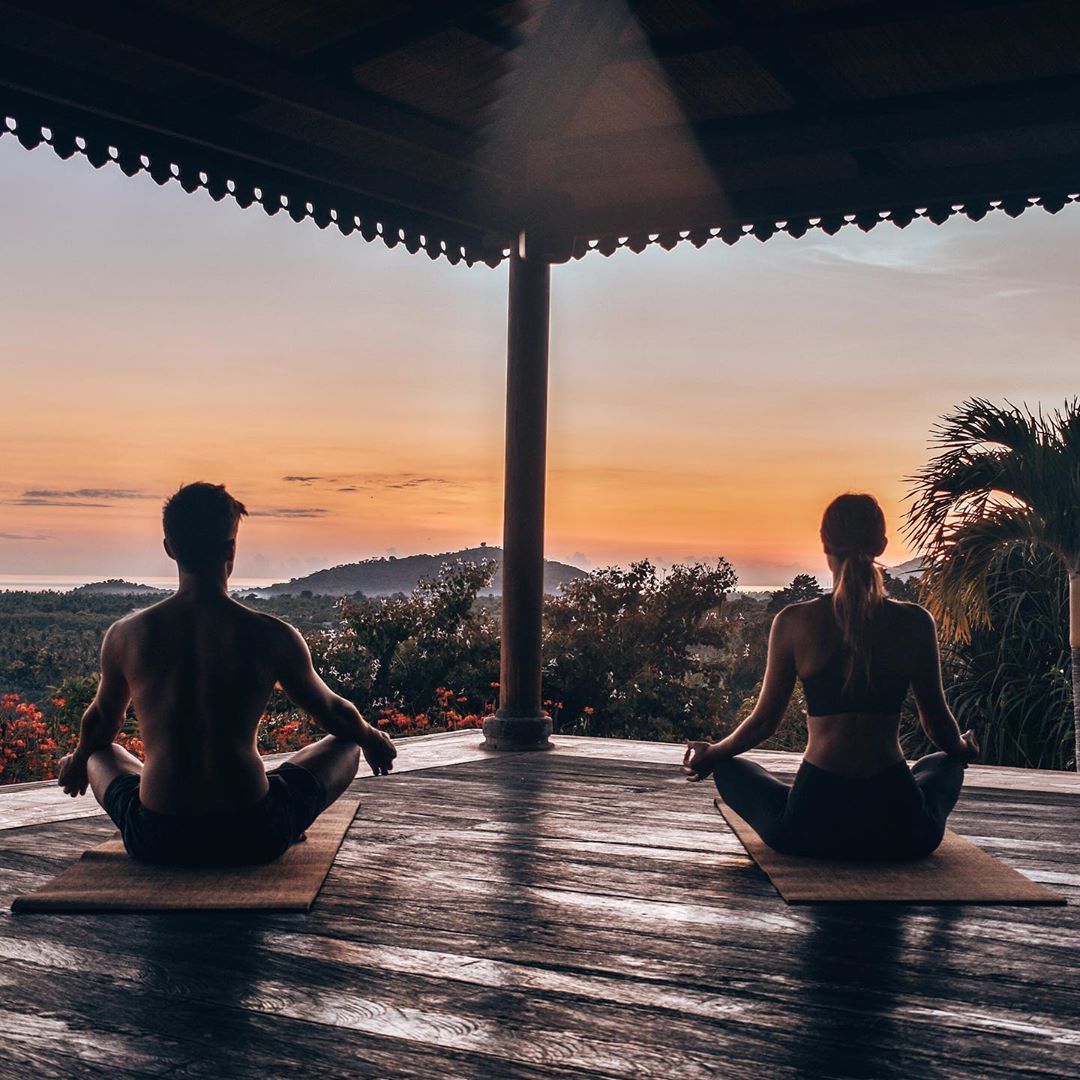
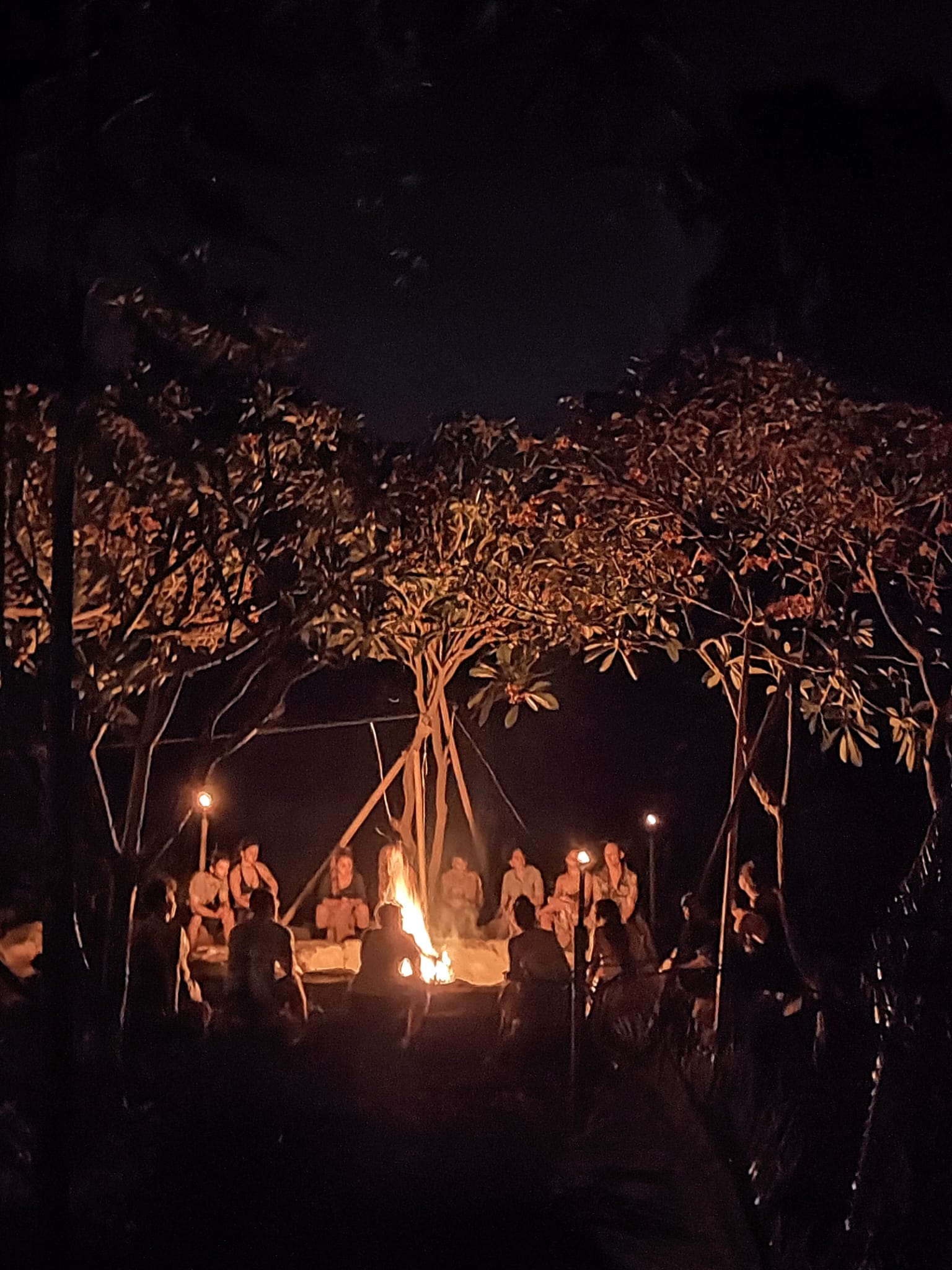
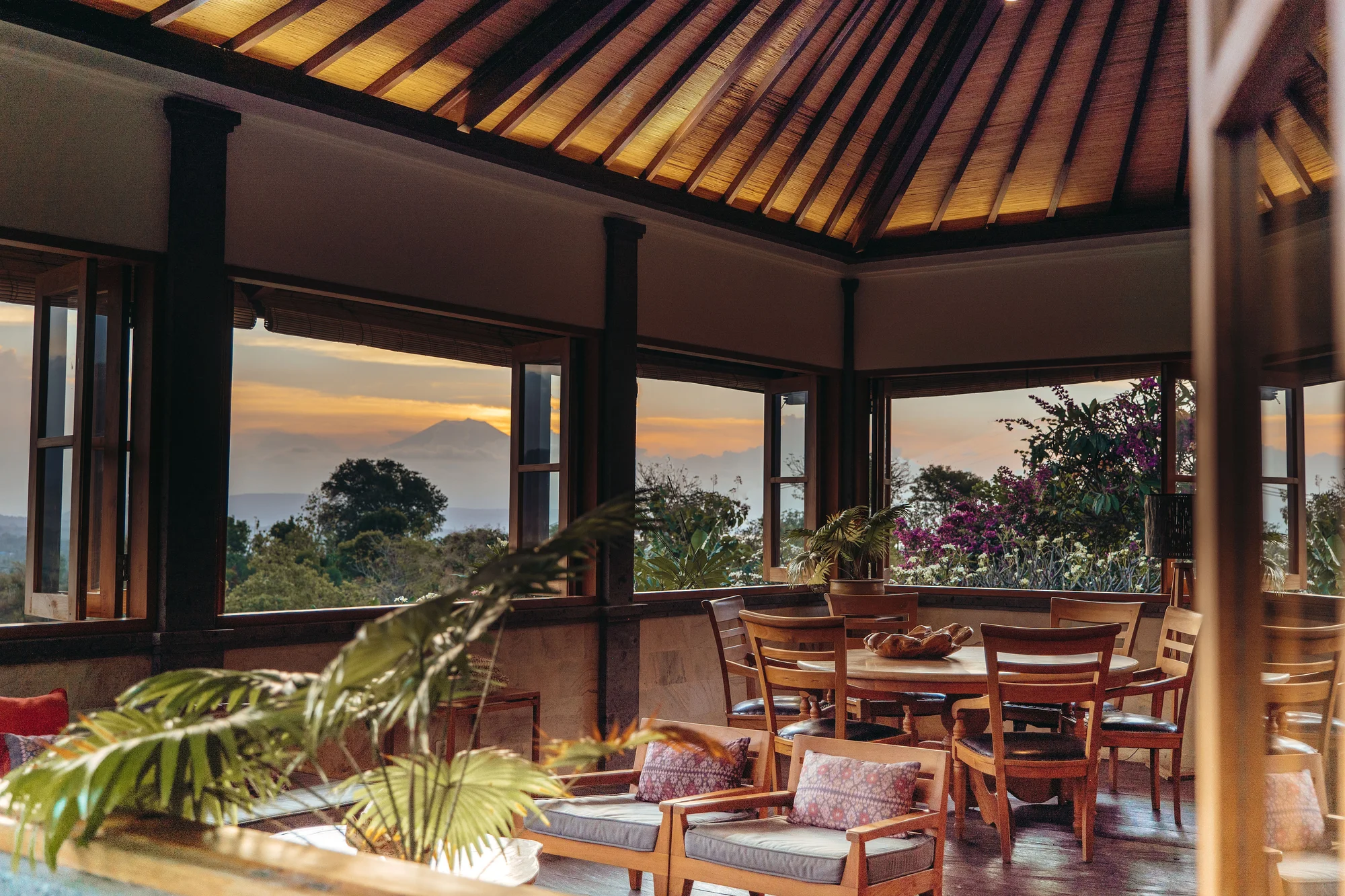
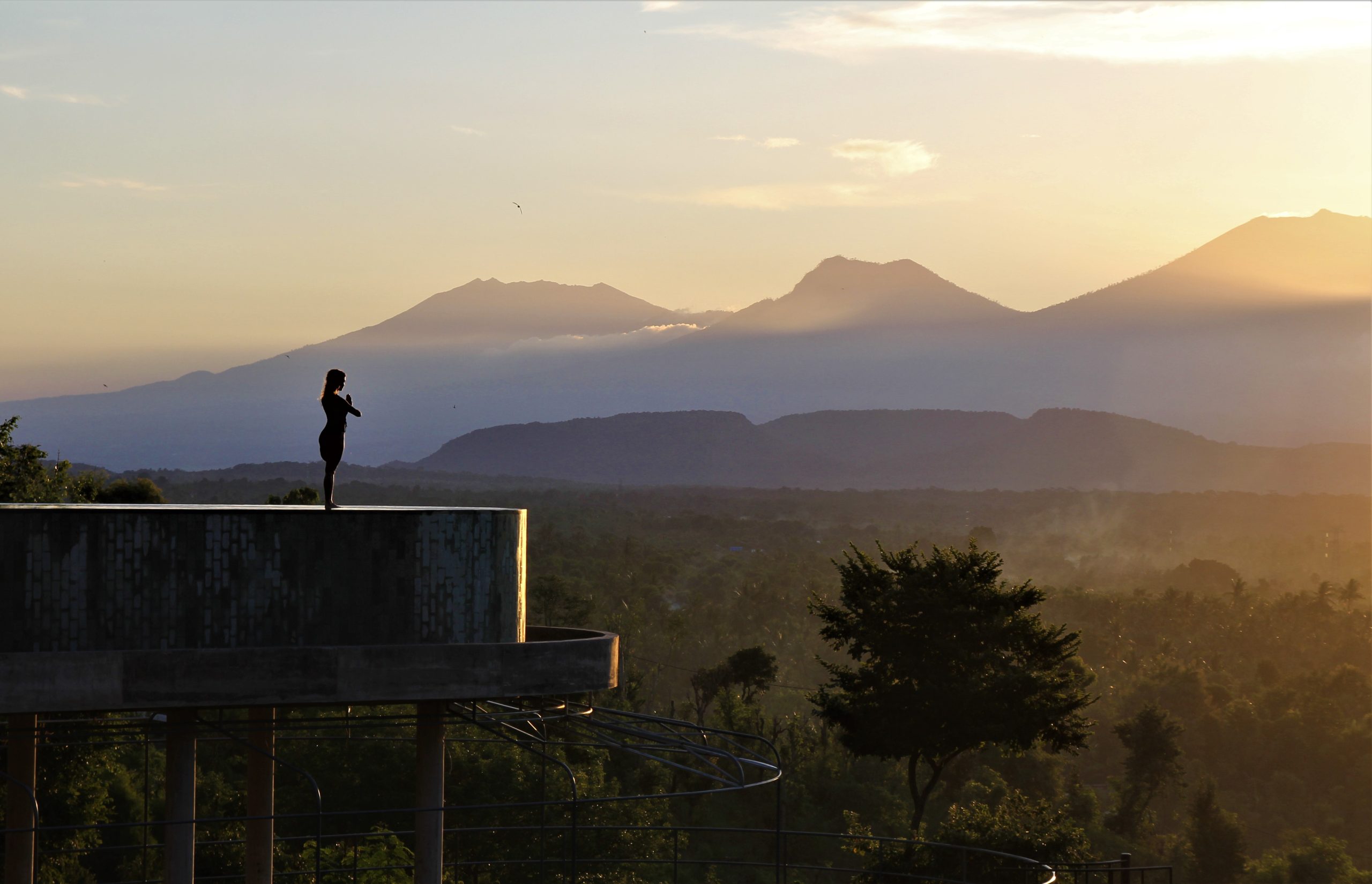
For your programme there is a yoga and movement shala with sweeping sunrise views, quiet corners for one-to-one sessions and workshops, a performance stage, and a campfire area for evening gatherings and ceremonies. A boardroom, conference room and meeting space with projectors are available for groups that need tables and screens.
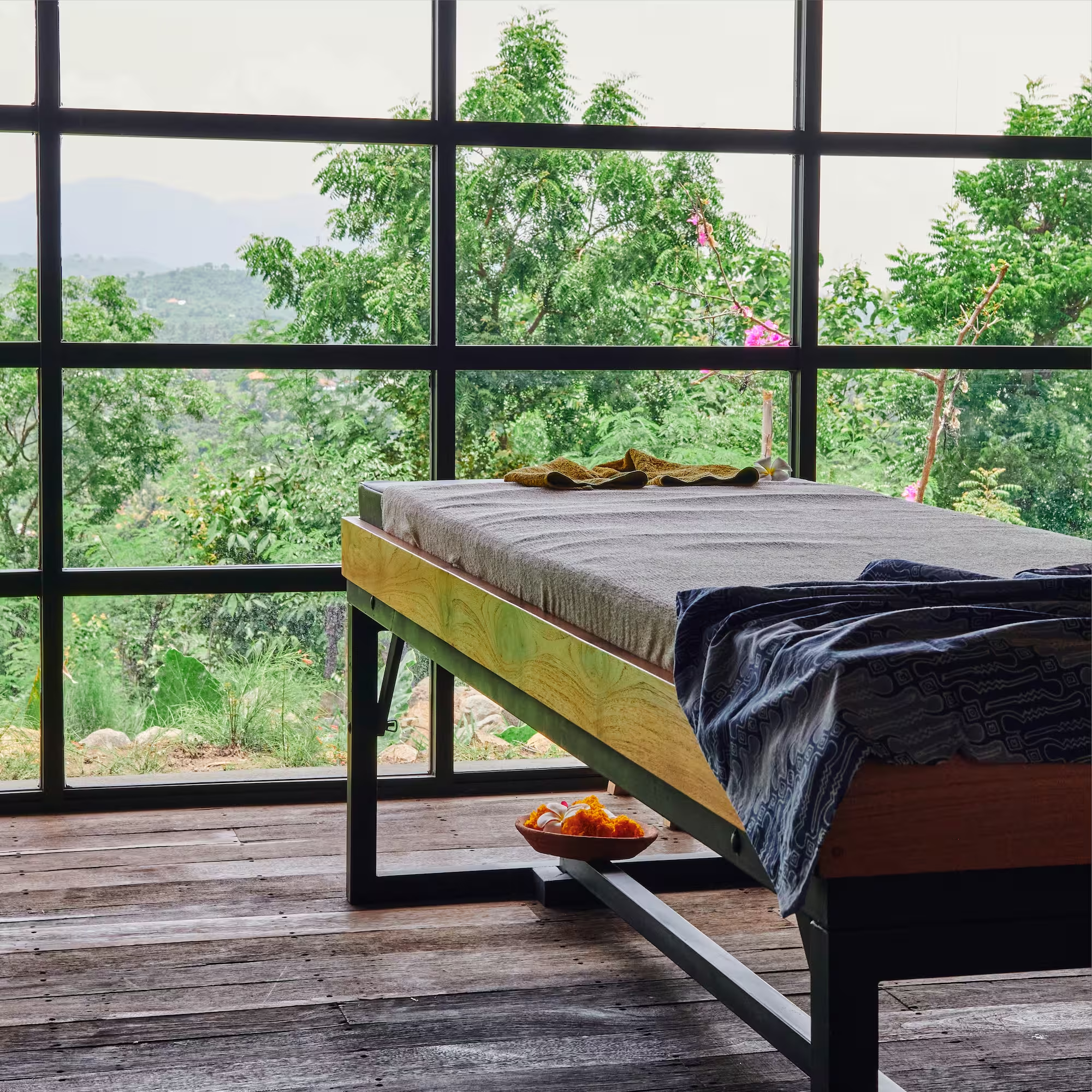
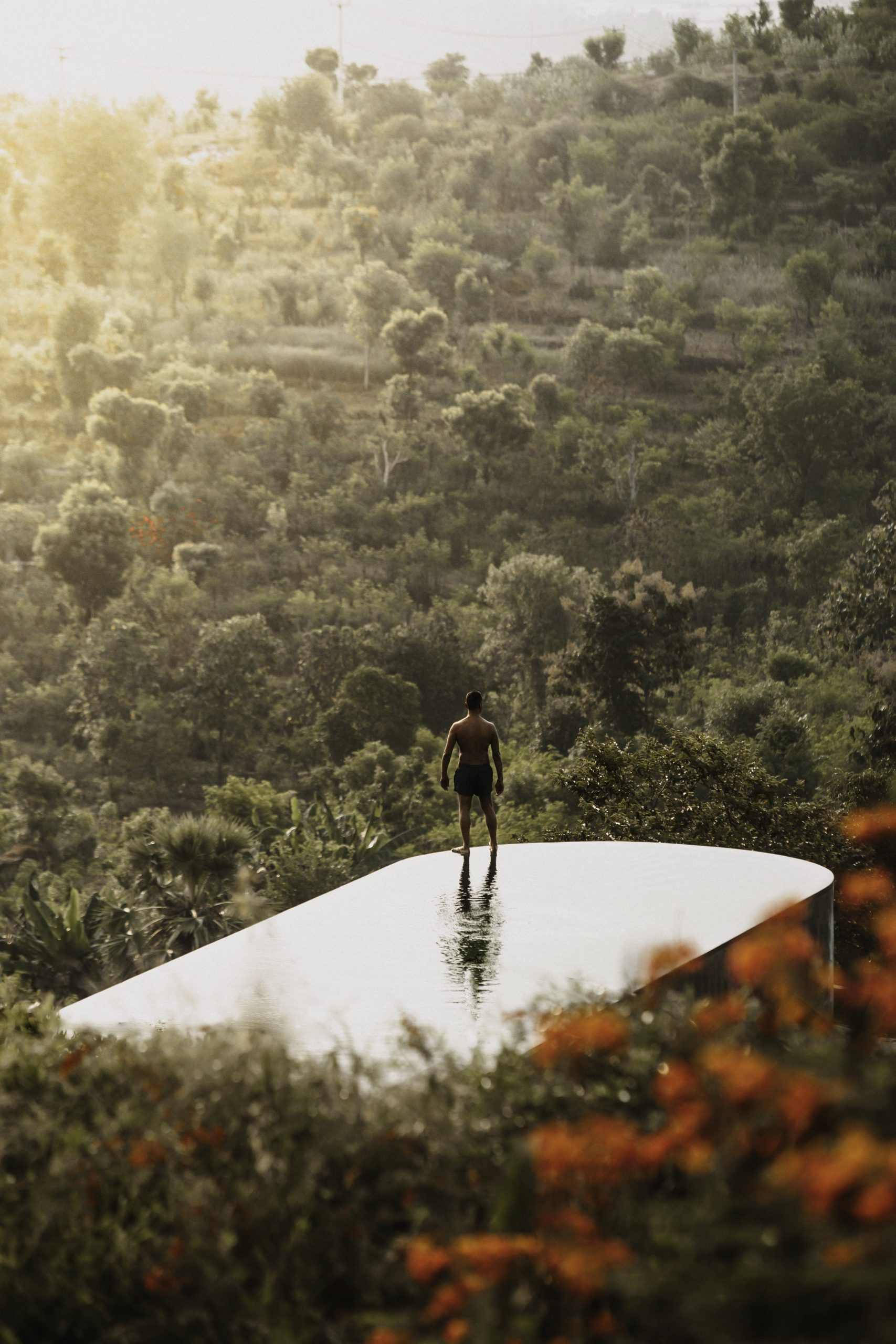
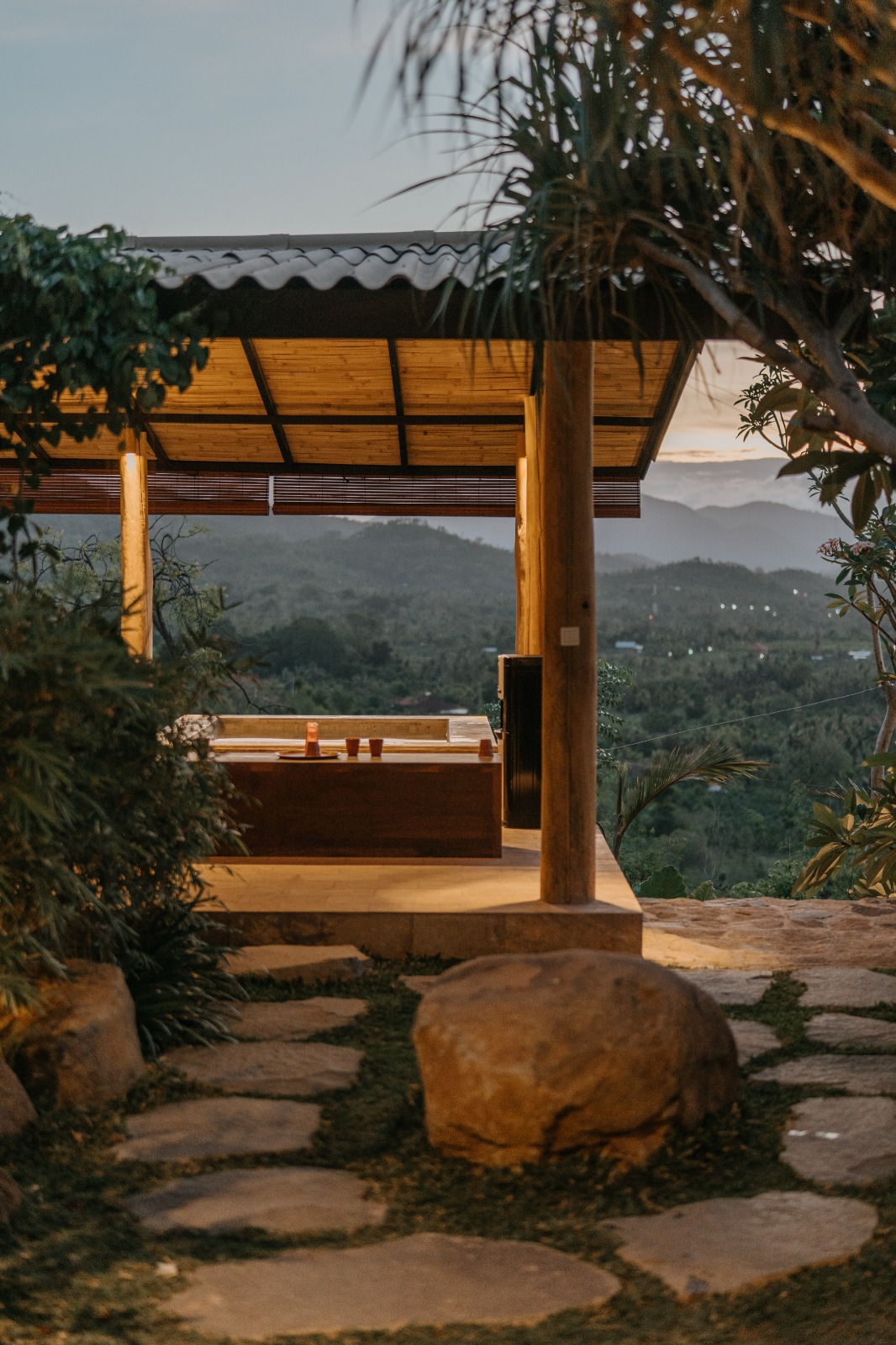
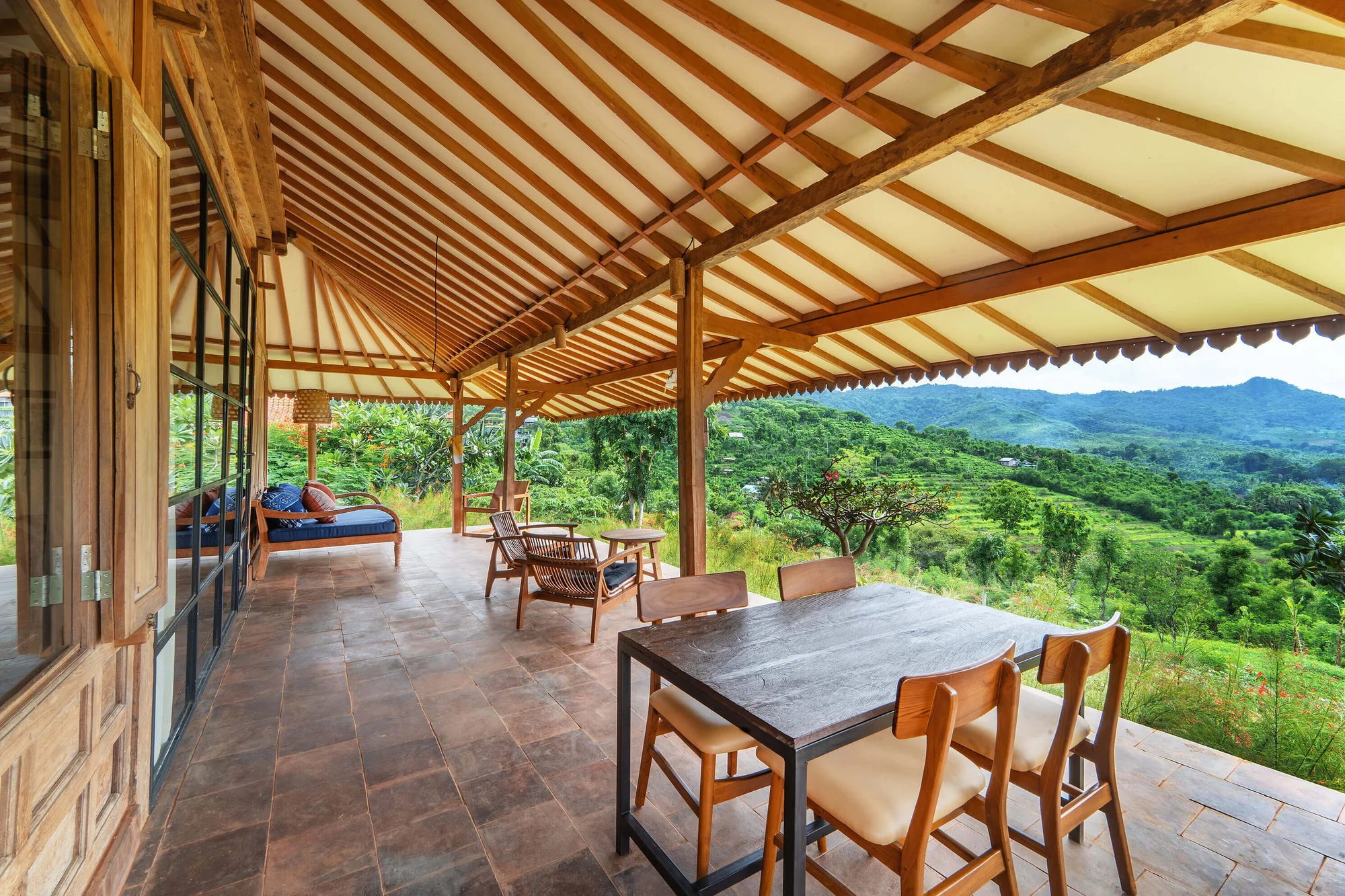
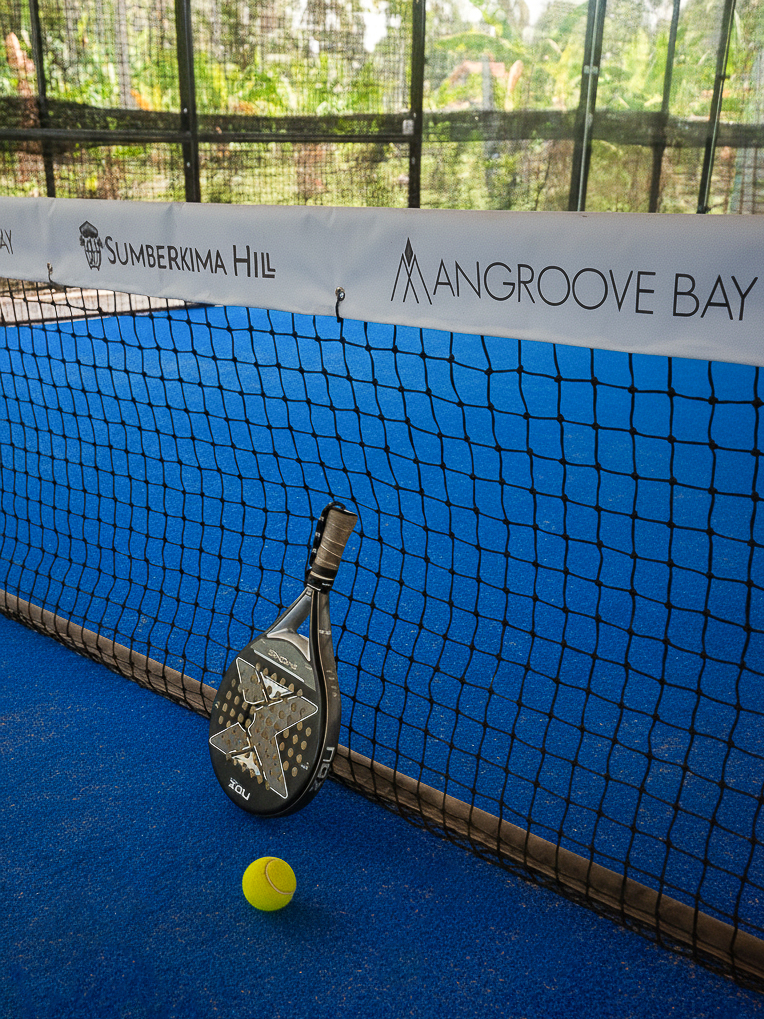
Between sessions, guests can use the spa with sauna and ice bath, the gym, the padel court and the communal pools. Villas have air conditioning, and there is a meditation space, a garden and outdoor terraces across the estate.
Meals
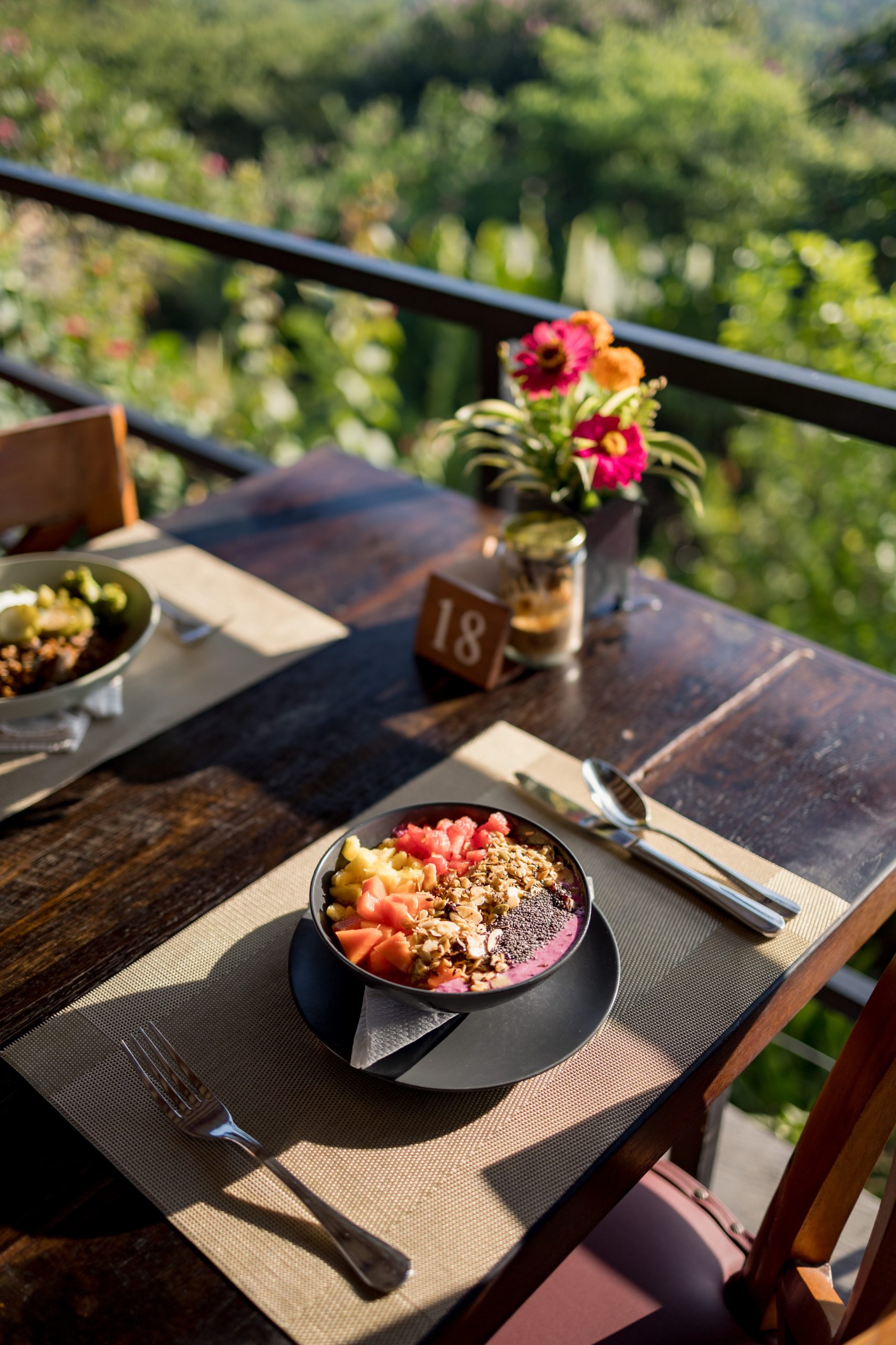
Meals are a shared experience at Sumberkima. Three on-site restaurants, Suma, Senja and Mangroove Bay, serve fresh dishes built around produce from the estate’s own organic farm, and the kitchen team adapts menus to the rhythm and dietary needs of your retreat. Full board, half board or flexible arrangements are all possible, including private group dinners and special setups. A private chef can be hired and the kitchen is open for use.
Support From the Team
The team is experienced in hosting retreats and supports with airport transfers, activity scheduling and on-site coordination. The surrounding area adds snorkelling, diving, mangrove kayaking, trekking and cultural village visits to your programme if you want it.
Getting to Sumberkima Hill
Almost every international group will land at Ngurah Rai International Airport in Denpasar (DPS), Bali’s main gateway. The drive north and west takes three to five hours depending on the route and the time of day, and around four hours as a working average. Transport can be arranged by the venue for individuals and for groups.
Two things drive that range. Leaving DPS between 15:00 and 19:00 puts you into Denpasar and Canggu traffic, which can add over an hour before you clear the south. The coastal road via Tabanan and Negara is longer in distance but usually smoother than the mountain route through Bedugul, which is shorter on the map but slower, windier and prone to fog in the late afternoon.
For a retreat, plan the transfer as part of the programme rather than as an afterthought. Cluster arrivals into two or three windows and run shared minibuses rather than individual cars. Aim for morning or early afternoon landings: a group arriving at 22:00 at DPS will reach the property around 02:00, which costs you the first morning of programming. Most drivers break near Tabanan or Pekutatan.
Banyuwangi International Airport in East Java is geographically much closer, reachable in around two to three hours including the ferry crossing from Gilimanuk to Ketapang, but it is a domestic airport with limited connections via Surabaya and Jakarta. Worth checking for Indonesian and regional participants, rarely the right answer for a group flying in from Europe or Australia.
When to Hold Your Retreat at Sumberkima Hill
Northwest Bali sits in the rain shadow of the island’s central volcanic ridge, which makes this coast measurably drier than Ubud or the southern beaches. Pemuteran, the closest weather reference point, records around 1,464 mm of rain a year, and the distribution matters more than the total.
June to September is the core dry season and the strongest window. Monthly rainfall drops to roughly 39 mm in June, 28 mm in July, 16 mm in August and 24 mm in September. Daytime highs sit at 26 to 27C and nights cool to around 22C, which is comfortable for sleeping and for early morning practice. Sea conditions are typically calm and visibility around Menjangan is at its best. This is also peak season across Bali, so book villas and transfers early.
April, May and October are the shoulder months. April still carries around 123 mm, May drops to 64 mm and October sits near 48 mm, with temperatures similar to the dry season. These months give you most of the dry season weather with fewer visitors and softer pricing, and May and October are the sweet spot for organisers balancing budget against reliability.
November to March is the wet season. Rainfall builds from about 133 mm in November to 229 mm in December, peaks around 295 mm in January and stays high through February and March. Rain is usually heavy and short rather than all day, and mornings are often clear, but assume some outdoor sessions will move under cover and that boat trips to Menjangan can be cancelled at short notice.
Sea temperatures stay in the high 20s all year, so water activity is never off the table on temperature grounds alone.
The Setting
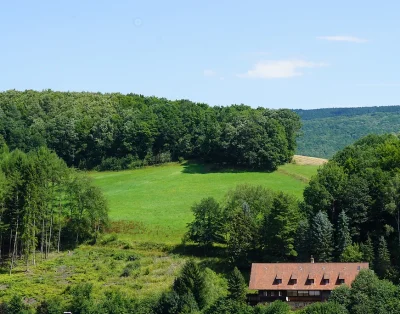
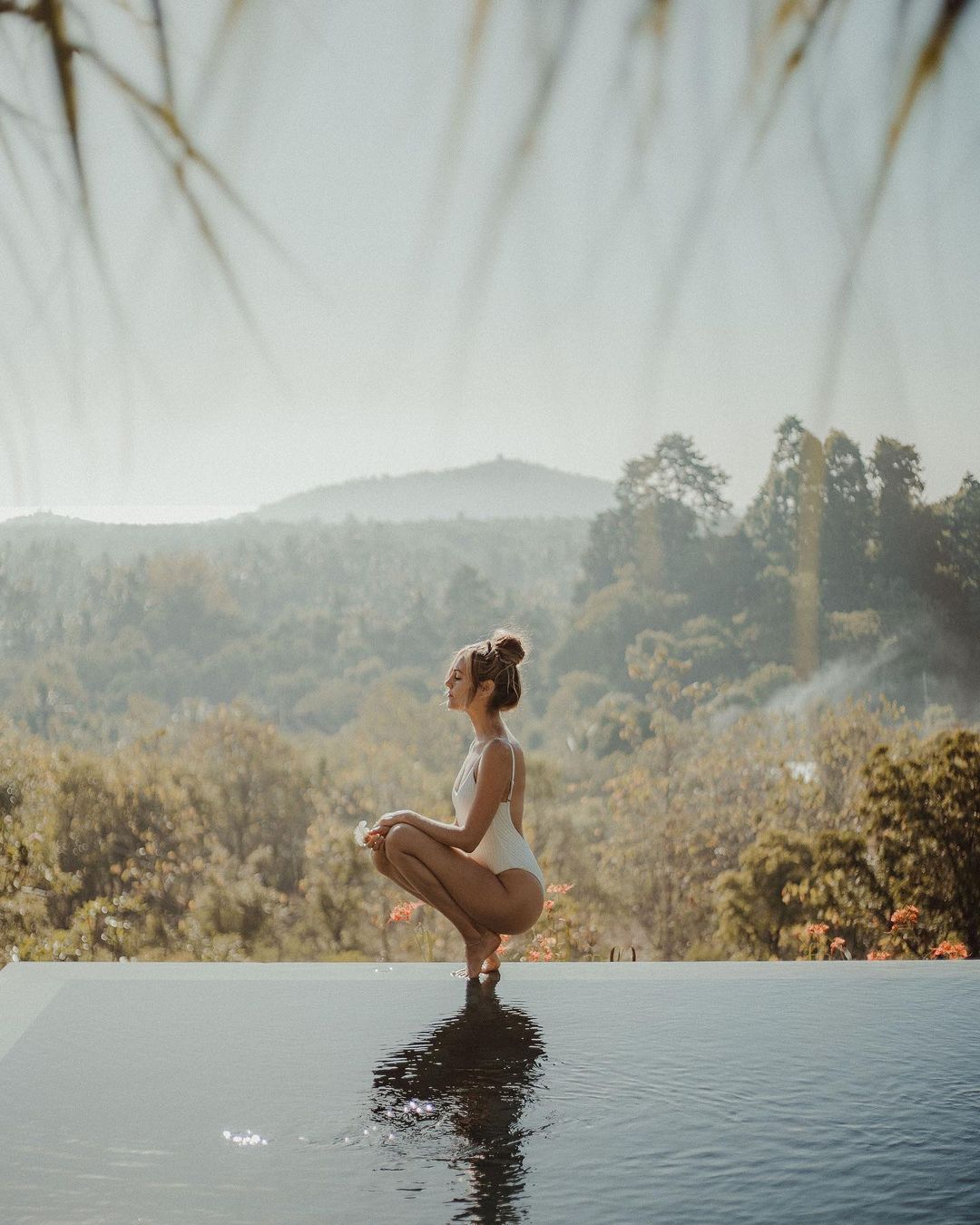
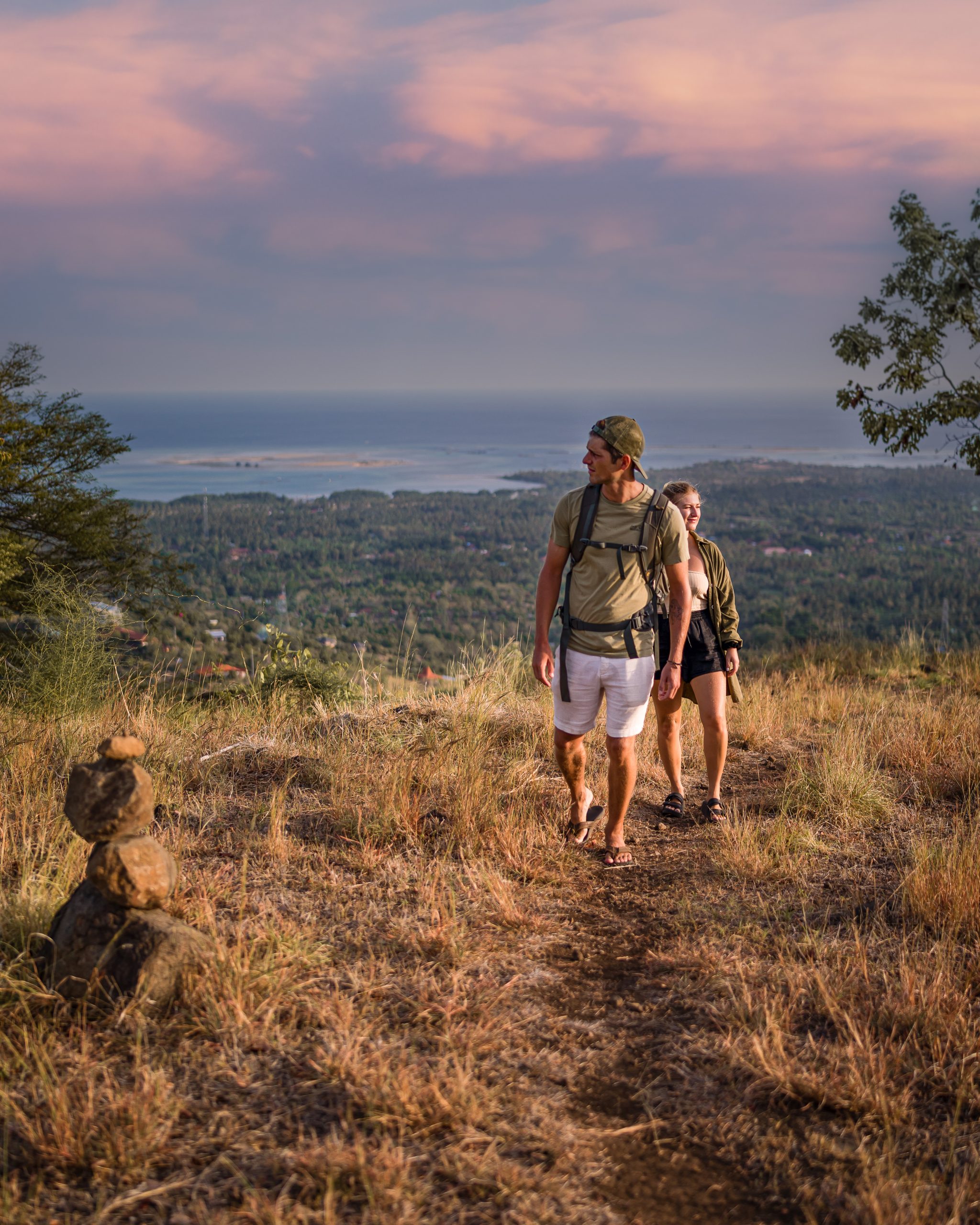
This is not the Bali most participants will have seen in photographs. The Gerokgak stretch is dry hillside and savanna rather than terraced rice, with the Java Sea to the north and West Bali National Park to the west. There is no beach club strip, no scooter noise at 2am, and very little passing tourism.
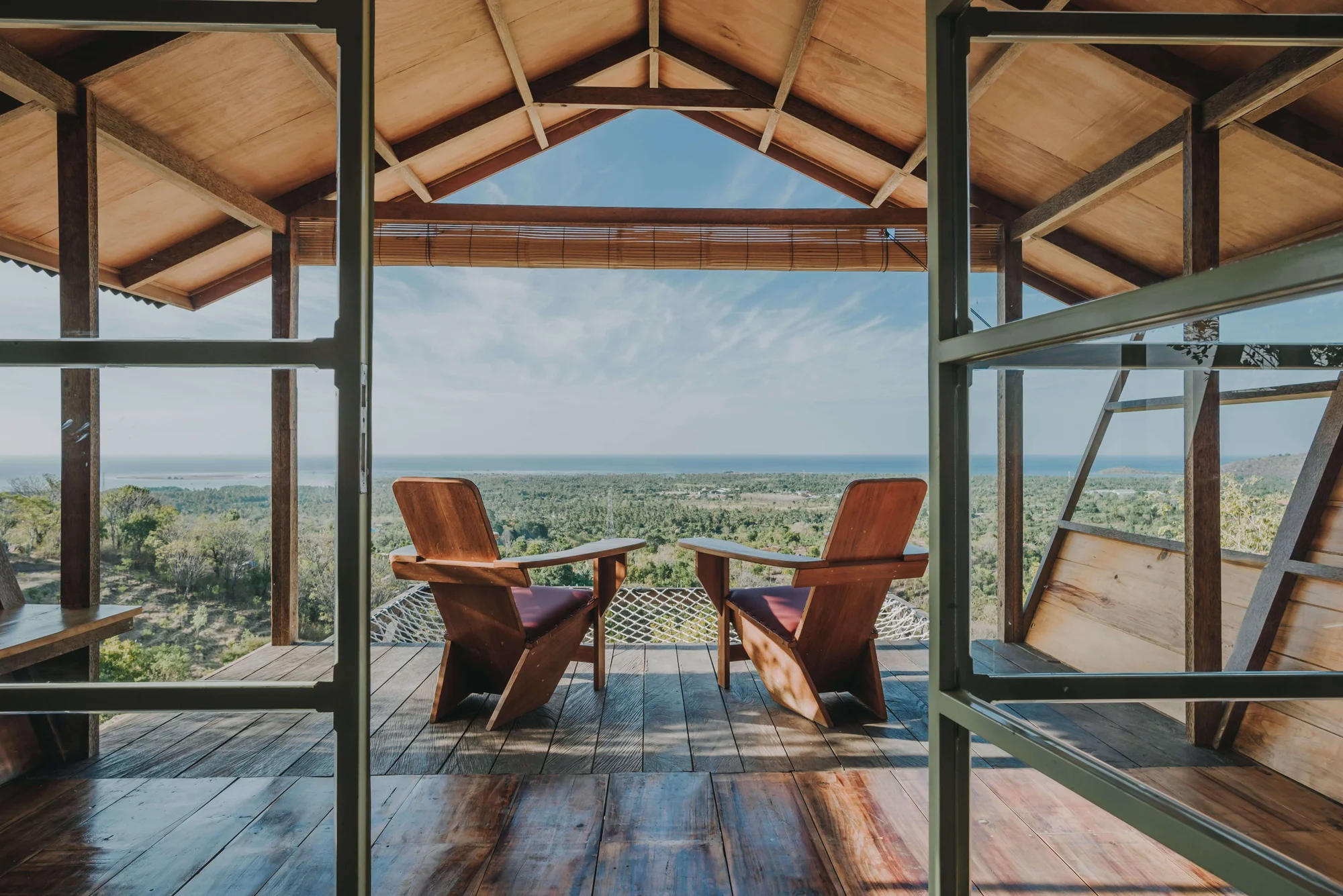
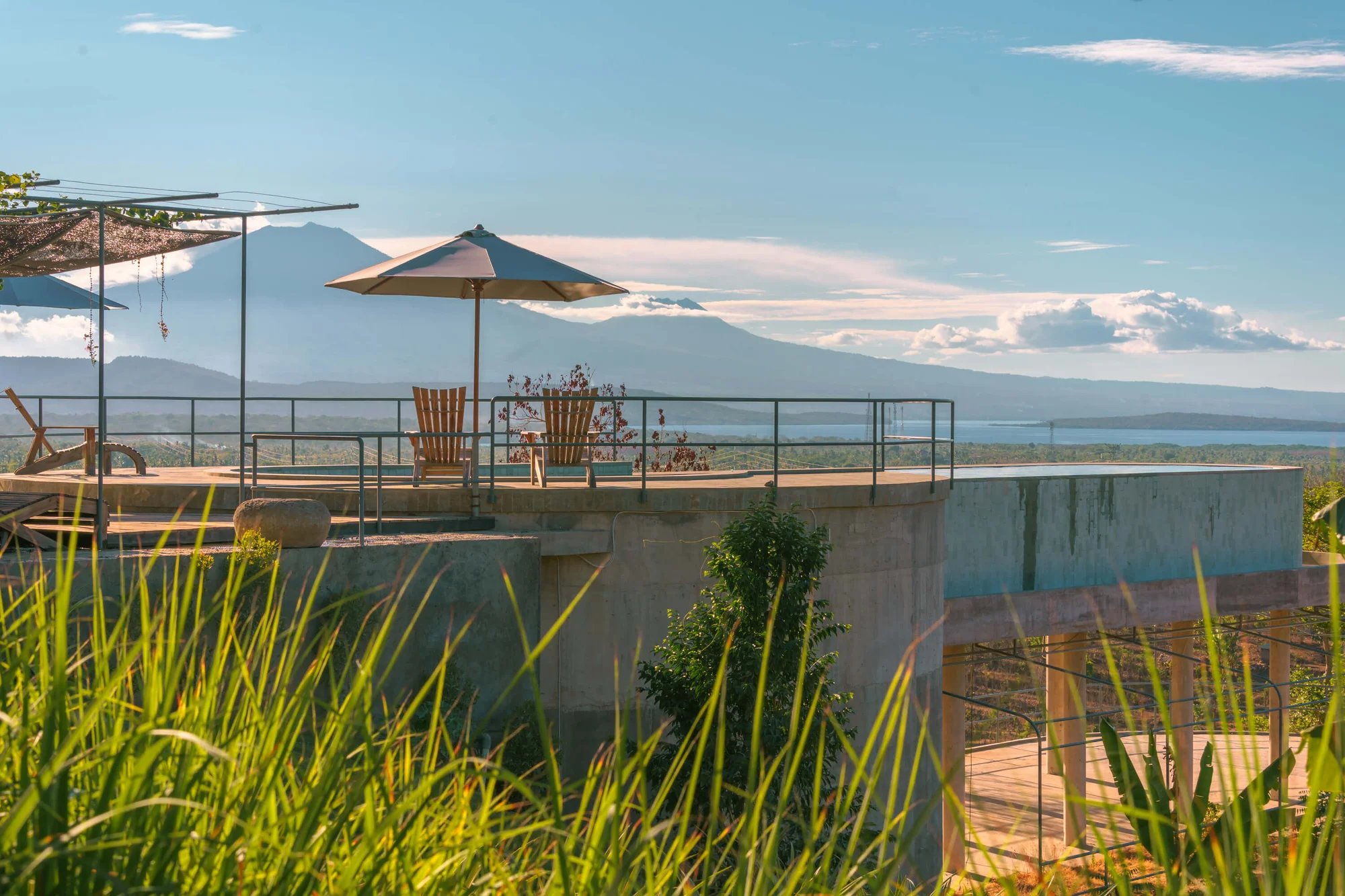
For a retreat that translates into concrete advantages. Sound carries less, so morning and evening sessions are quiet. The hillside orientation gives elevated views over the bay towards the Java Sea and, on clear days, across to East Java. Light pollution is low, which makes campfire and evening sessions work. And because the property sits inland from the coast road, there is very little through traffic.
The trade-off is isolation. There is no walkable village centre with shops and cafes, and limited options if a participant wants to slip away for an afternoon. Groups that want a self-contained bubble will read that as a feature.
What Your Group Can Do Nearby
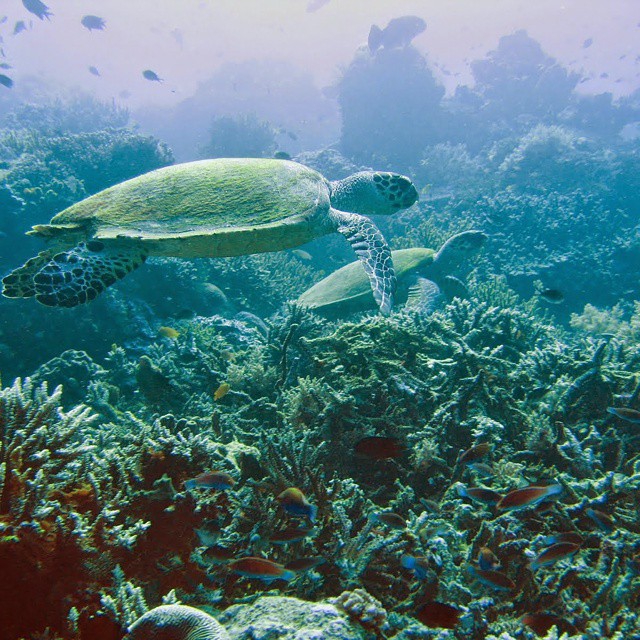
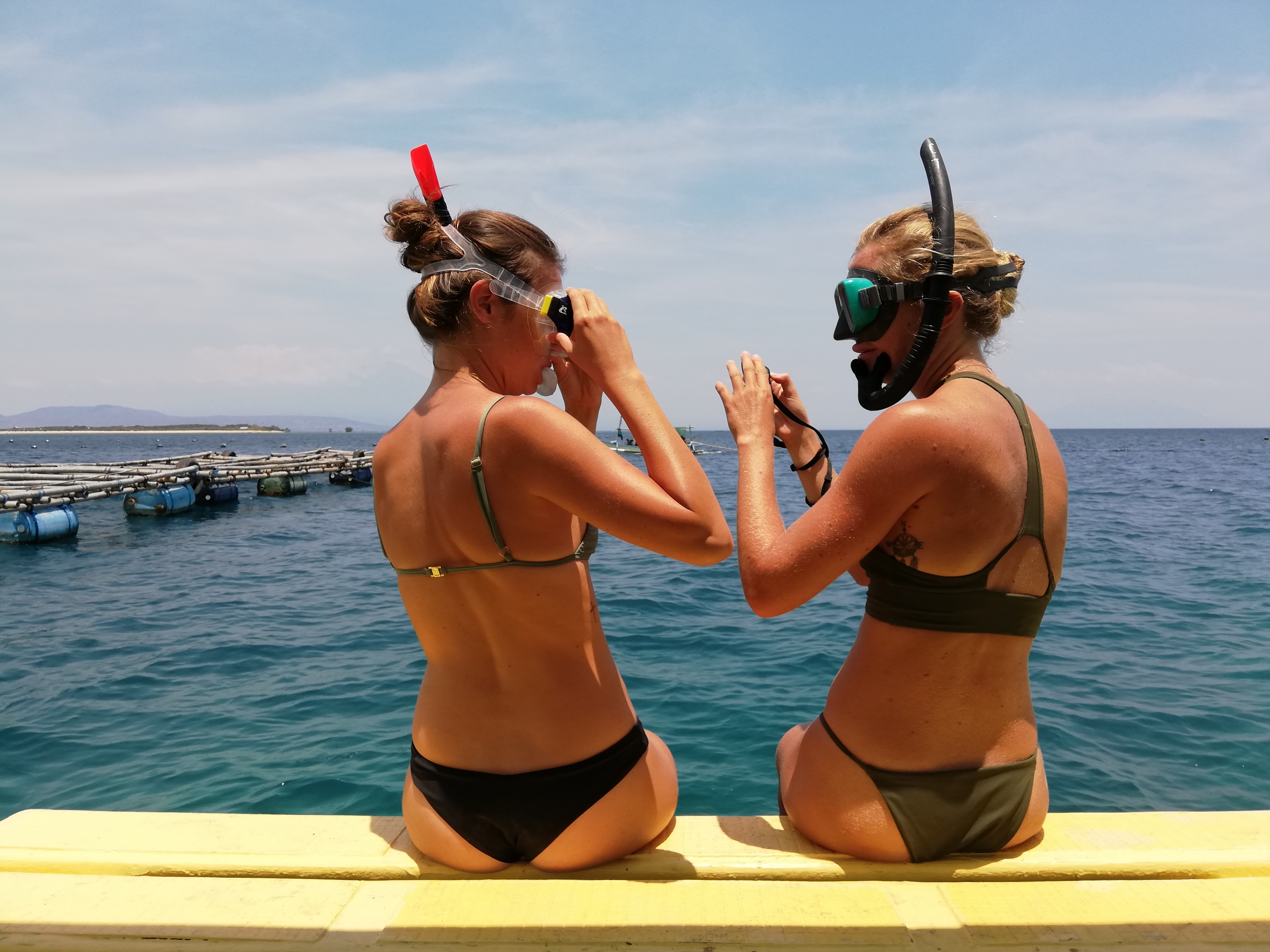
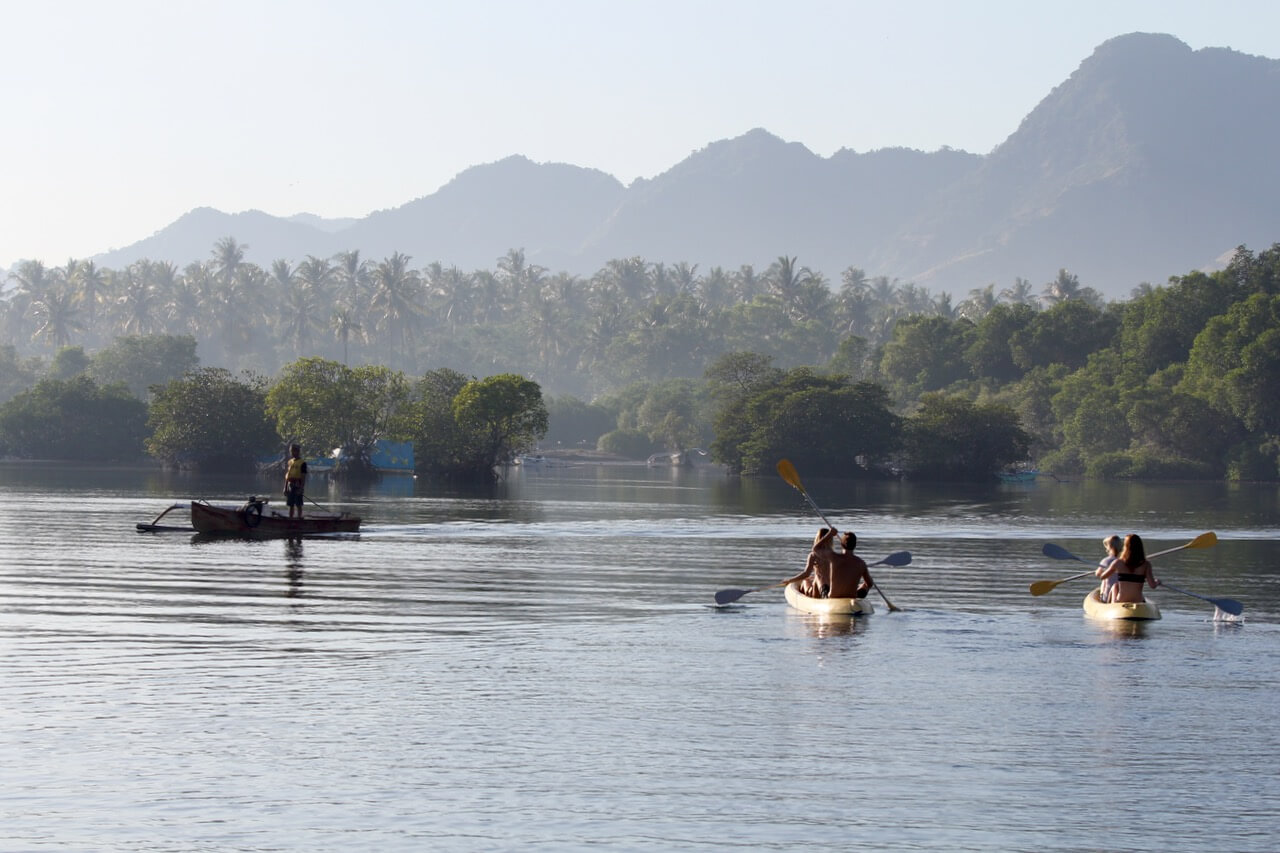
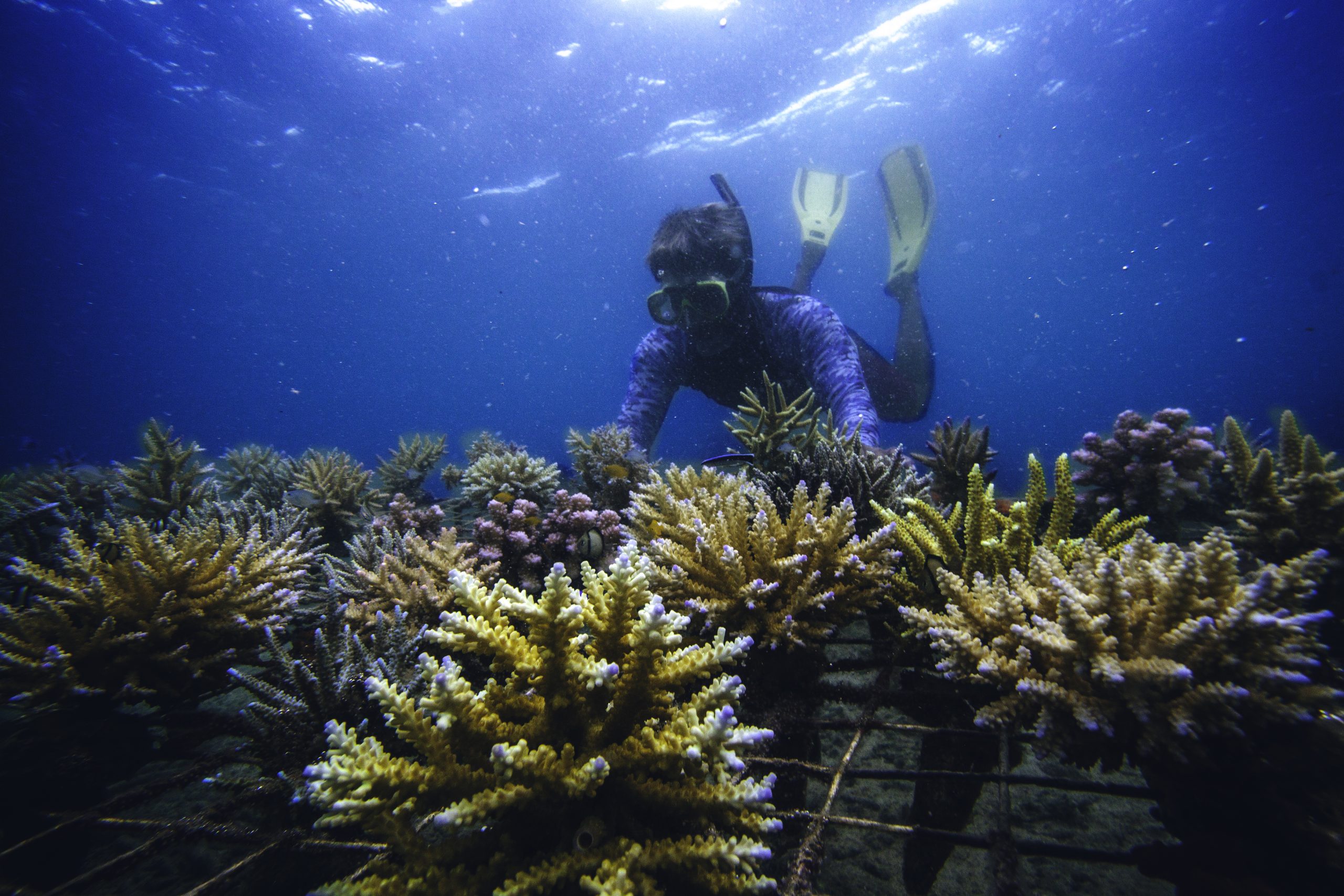
The Pemuteran bay reef, home to one of the world’s largest Biorock coral restoration projects, is a short drive away and snorkelable directly from shore. Pemuteran village, ten minutes by car, has dive operators, a turtle hatchery and small warungs. Mangrove kayaking and coastal walks are close by.
For half days, Menjangan Island inside West Bali National Park is Bali’s best known wall diving and snorkelling site, reached by boat from the Labuhan Lalang jetty about 20 to 30 minutes west of the property, with a crossing of roughly 30 minutes. West Bali National Park itself offers guided trekking and birdwatching, including the critically endangered Bali starling. The Banjar hot springs near Lovina, along with the Brahmavihara Arama monastery, sit around an hour and a half east along the north coast.
Who Sumberkima Hill Works Best For
It works well for yoga, movement and wellness retreats that want a dedicated shala and a genuinely quiet setting; for dive, freedive and ocean-focused retreats, given Menjangan and the Pemuteran reef; for fitness and padel groups, which is unusual in a Bali retreat venue; for corporate offsites and leadership programmes needing both boardroom space and outdoor activity; and for groups that want private villa accommodation rather than shared rooms. Because the villa inventory scales, it also suits organisers who do not yet know their final numbers.
It works less well for groups on a short stay, where the three to five hour transfer from DPS eats too much of the trip; for retreats that want participants to walk to a beach or a village centre; for participants with reduced mobility, since a hillside village involves slopes, steps and shuttle dependence; for budgets that need everything bundled, since meals, transfers and excursions are quoted separately; and for wet season programming that relies heavily on boat trips and outdoor sessions.
Frequently Asked Questions
How many people can Sumberkima Hill host? Groups from 8 to 50 or more, in a private cluster of villas within an estate of over 80 villas. The minimum group size is six and the minimum stay is three nights.
Will other groups be on site at the same time? Possibly, but the estate is large enough that groups are hosted in separate sections and do not cross paths.
Which airport should our group fly into? Ngurah Rai International Airport in Denpasar (DPS), then three to five hours by road. Transfers can be arranged by the venue.
What is the best time of year for a retreat here? June to September is driest, with August receiving only about 16 mm of rain. May and October are strong shoulder months. January to March is the wettest period.
Is there a dedicated yoga space? Yes, a yoga and movement shala with sunrise views, plus quiet corners for one-to-one work, a performance stage and a campfire area. Use of the shalas and group rooms is quoted separately from accommodation.
How does catering work? Three on-site restaurants serve the estate, built around produce from its own organic farm. Full board, half board and flexible arrangements are available, including private group dinners, and menus are adapted to your group’s dietary needs.