

Indonesia Retreat Planning: Complete Guide 2026
Indonesia retreats planning benefits abound when you choose this archipelago as the backdrop for transformative journeys. The country’s deep-rooted spiritual traditions, especially in Bali with its ceremonial practices and healing modalities, create an atmosphere where inner work feels natural and meaningful. Guests arrive with an openness to transformation, a dynamic that intensifies outcomes and deepens shared experience. The wellness culture here isn’t a fad; it’s woven into daily life—yoga studios line the streets, herbal cuisine nourishes bodies, and guided rituals offer a gateway to introspection. As a retreat planner, you’ll notice how this intrinsic spiritual energy reduces the friction typically encountered when introducing new practices to groups, allowing facilitators to guide participants into deeper levels of awareness with greater ease. Indonesia is not merely a destination; it’s an active participant in a well-curated retreat narrative.
Beyond the spiritual resonance, affordability and accessibility play pivotal roles in successful Indonesia retreats planning. Compared to many Western destinations, quality accommodations, skilled practitioners, and fresh, local cuisine can be secured at more favorable price points. That means you can design premium wellness experiences without passing prohibitive costs onto participants. The logistics network—international gateways in Bali and Jakarta plus a dense network of regional airports and ferries—means you can assemble multi-location programs, swap settings between beachside serenity and inland rainforest, and maintain momentum throughout the itinerary. This combination of cultural depth, cost efficiency, and logistical flexibility makes Indonesia a standout choice for wellness and spiritual retreats.
Nature acts as a co-facilitator in Indonesia’s retreats. The landscapes—from emerald rice terraces to volcanic peaks and pristine reefs—offer tangible spaces for contemplation and body-centered practice. Morning sunrises over the sea, afternoon treks through jungle canopies, and starlit evenings by a crackling fire all become part of the program, reinforcing teachings and giving participants a multi-sensory learning environment. For organizers, this natural abundance translates into a broader palette of activities—from surf and snorkel sessions to silent walks in sacred groves—allowing you to tailor experiences to specific goals, whether it’s stress reduction, personal growth, or team alignment. In short, Indonesia provides an authentic stage for retreat narratives to unfold with clarity and depth.
Key attributes for Indonesia retreat planning include climate awareness, regional access, and cultural integration. The weather pattern is tropical, with a pronounced dry season that favors outdoor programs and a wet season that can still accommodate mornings’ activities with afternoon breaks. Regions like Bali offer well-developed wellness ecosystems, while more remote island locations invite exclusivity and immersion. When building a program, consider partnerships with local healers, mindfulness instructors, and trained guides who understand ceremonial calendars and ecological practices. A thoughtful blend of structure and spontaneous exploration often yields the most powerful outcomes for participants, and Indonesia’s diversity makes that balance achievable across a single itinerary or a multi-site journey.
| Aspect | Why it matters | Indonesia retreat planning tip |
|---|---|---|
| Spiritual depth | Strong cultural backdrop enhances transformation work | Coordinate with local ceremonies and respectful temple visits |
| Affordability | Premium experiences without Western-price tags | Negotiate inclusive packages with meals and activities |
| Nature as partner | Natural settings amplify practice and outcomes | Design sessions around tides, seasons, and weather windows |
| Logistics | Multiple gateways and islands enable diverse itineraries | Plan buffer days for weather delays or island transfers |
- Clarify program objectives early to align venue and activities
- Identify facilitators with local experience and cultural sensitivity
- Define inclusions (meals, transfers, extras) to simplify budgeting
- Incorporate cultural immersion with mindful boundaries
- Prepare contingency plans for seasonality and travel disruptions
- Establish a clear participant communication flow ahead of time
Indonesia retreats | Top retreat venues for hire in Indonesia

Best Areas in Indonesia for Retreats (2026 Update)
Indonesia offers a spectrum of retreat locations, each with its own mood, culture, and natural backdrop. For 2026, planners often weigh Bali’s established wellness ecosystem against more secluded island settings that promise privacy and intimate group dynamics. In practice, most retreat leaders identify a few core regions that consistently meet high expectations: Bali’s Ubud and north coast, Sumatra’s pristine island clusters, and lesser-known pockets of the Indonesian archipelago where exclusivity can elevate programming. These areas are not merely geographic choices; they shape program pacing, guest experience, and the depth of cultural engagement. Indonesia’s islands allow you to alternate between immersive cultural immersion and restorative time in nature, a combination that resonates with modern wellness travelers seeking balance, meaning, and connection.
Within Bali, the north coast and inland valleys offer quieter environments compared to the bustling south. This creates opportunities for sunrise meditation by the sea or forest walks in dawn mists. In Sumatra, remote island settings provide pristine ecosystems and authentic castaway experiences that feel almost untouched by mass tourism. For teams seeking immersive, leadership-focused retreats, private island options in the Banyak Islands (off Sumatra’s western coast) can deliver unparalleled privacy and tailor-made programming. In Bali’s central highlands, venues encircled by rice terraces and sacred temples enable a slower rhythm—ideal for long-form trainings and deep mindfulness work. The following regions summarize why they’re enduring favorites for Indonesia retreats planning in 2026, with short, field-tested notes and practical cues for each.
- Bali — An established wellness hub with abundant practitioners, shalas, and a ready-made supportive ecosystem. Ideal for multi-day programs combining yoga, meditation, and Balinese cultural immersion.
- Sumatra & the Banyak Islands — Remote, pristine environments with strong natural appeal and exclusive properties. Best for off-grid experiences, private island retreats, and nature-based resets.
- Java & Surrounding Regions — A mix of cultural landmarks and quiet coastal spots; offers convenient access and authentic Indonesian experiences for groups who want a balance of ceremony and grounded practice.
- Lombok & Nusa Tenggara cluster — Less crowded than Bali, with rugged coastlines and clear seas; great for surf retreats or nature-centric wellness itineraries.
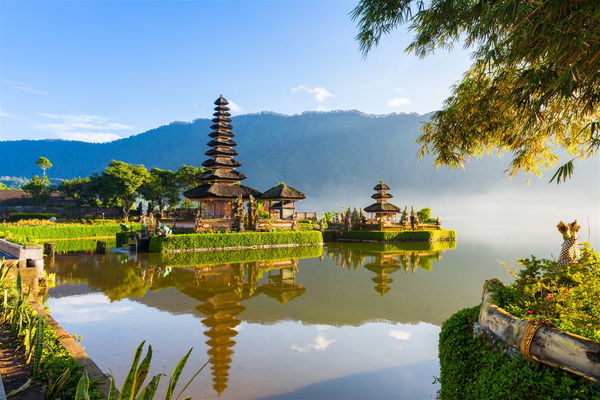
- West Bali & Bedugul Highlands — Cooler climate, lake-dotted landscapes, and temple-rich hillsides; excellent for meditation retreats and teacher training programs.
| Region | Main appeal | Best retreat types |
|---|---|---|
| Bali | Vibrant wellness ecosystem and cultural depth | Yoga, meditation, cultural immersion |
| Sumatra & Banyak Islands | Pristine beaches, private islands, exclusivity | Surf retreats, mindfulness, nature immersion |
| Java & Surroundings | Accessible, ceremonial gateways, diverse settings | Corporate offsites, leadership programs |
| Lombok/Nusa Tenggara | Less crowded, rugged beauty, clear seas | Wellness & detox, water-based activities |
To explore a range of options, you can browse the country category or venue listings to compare capacities, settings, and inclusions. For inspiration and ready-to-book options, check out Indonesia retreat planning resources and curated venues that align with your program goals. If you’re seeking a balance of privacy and convenience, consider places like Pinang Island Tropical Paradise for exclusive access or the Bali Retreat Center for culture-rich curricula—both represent strong choices within Indonesia’s diverse retreat landscape.

Popular Types of Retreats in Indonesia
In Indonesia, the demand for diverse retreat experiences continues to grow, reflecting a broader trend in wellness travel. Indonesia retreats planning now frequently centers on a spectrum of offerings that combine physical practice with spiritual inquiry, cultural immersion, and executive development. The following sections spotlight the types that attract the most search interest and commercial intent, illustrated with real-world cues from the five standout locations featured in this guide. Whether you’re curating a serene yoga immersion, a full-spectrum wellness retreat, or a corporate offsite that prioritizes team resilience, Indonesia’s retreat venues are equipped to support broad goals with authentic local flavor.
- Yoga retreats — A core staple, often featuring daily asana sessions, sunrise practices, and meditation to deepen awareness. Look for a dedicated shala, quiet garden spaces, and options for private sessions with experienced teachers.
- Wellness & detox retreats — Programs that blend nutrition, mindful movement, spa therapies, and guided detox protocols. Ideal venues provide on-site chefs who can accommodate dietary restrictions and offer detox-friendly menus.
- Meditation retreats — Structured practice, silent periods, and guided contemplations amidst natural settings. Seek calm, distraction-free spaces with stable rooming configurations to support extended meditation blocks.
- Corporate offsites — Retreat venues that combine workspaces with wellness amenities, enabling leadership sessions, strategy workshops, and team-building activities in inspiring environments.
- Surf retreats — Indonesia’s coastlines offer reliable waves paired with restorative routines. A good venue coordinates surf coaching, beach access, and wind-and-water safety protocols.
- Fitness bootcamps — High-energy programming with guided workouts, bootcamp tracks, and nutrition coaching. Expect well-designed outdoor spaces and easy logistics for equipment transport.
| Retreat Type | Typical Focus | Key Venue Features |
|---|---|---|
| Yoga retreats | Asana, pranayama, meditation | Dedicated yoga shala, tranquil garden, privacy options |
| Wellness & detox | Nutrition, spa therapies, mindfulness | In-house chef, spa facilities, detox-friendly menus |
| Meditation retreats | Intentional practice, silence, mindfulness | Quiet rooms, soundproof spaces, serene surroundings |
| Corporate offsites | Team alignment, leadership development | Meeting rooms, private spaces, easy logistics |
| Surf retreats | Coaching, technique, rhythm of waves | Seaside access, surf-friendly logistics, safety protocols |
| Fitness bootcamps | High-intensity, endurance, nutrition | Open-air fitness zones, equipment storage, nutrition support |
Indonesia’s retreat network supports a wide range of formats, from intimate 4–5 day immersions to longer, progressive programs that unfold over several weeks. The balance between nature, culture, and modern amenities allows organizers to craft an experience that remains both immersive and actionable. As you design the itinerary, consider pairing movement-based sessions with cultural activities—temple visits, traditional cooking classes, or nature-based explorations—to deepen resonance. For those seeking a curated set of options, the Indonesia retreat planning landscape includes curated packages and all-inclusive experiences that simplify budgeting and logistics while preserving room for customization.
Average Budget for a Retreat in Indonesia
Budgeting is often the most challenging part of Indonesia retreats planning, yet it is remarkably tractable when you anchor decisions around venue type, inclusions, and region. The price spectrum here can swing widely—from affordable mid-range spaces to ultra-luxury destinations with bespoke services. A practical way to frame your budget is to distinguish between venue rental costs, catering, activities, and staff support, then layer in seasonal variations and regional differences. In the Bali and Sumatra areas highlighted in this guide, you can expect to see nightly rates for private venues ranging from a few hundred to several thousand dollars depending on exclusivity, scale, and amenities. The Pinang Island Tropical Paradise, for example, operates as an exclusive-private island retreat with nightly rates around $999, reflecting its all-inclusive, luxury positioning. Other properties, like Bali Retreat Center or Lovina Bay Resort Hotel, demonstrate a broader, mid-range spectrum with nightly rates that start in the low thousands and can scale with group size and duration.
Price differences by season or region are real and predictable. Dry season peaks (roughly April through October) typically push rates upward, while the wet season can yield meaningful savings without compromising core programming, especially for mornings’ sessions and indoor workshops. For longer programs or teacher training formats, extended-stay packages commonly offer favorable nightly rates. It’s common for guests to optimize costs by selecting a base venue with strong on-site catering and activity coordination and then augmenting with off-site cultural experiences. To illustrate, private island exclusivity commands a premium but can reduce transportation complexity, while a well-located Bali center may provide a more balanced blend of access, amenities, and cultural immersion at a moderate premium.
| Category | Typical Range (USD per night) | Seasonal Effect | Notes |
|---|---|---|---|
| Venue rental (mid-range) | 350–900 | Higher in dry season; moderate in wet season | Includes basic spaces and some equipment |
| Exclusive island (Pinang-like) | 900–1,500 | Peak during school holidays and local events | All-inclusive with meals and transfers |
| Private villa or resort (large capacity) | 600–2,000 | Seasonal surges on weekends and holiday periods | Often includes staff, kitchen facilities, and pools |
| Catering & meals | 25–60 per person per day | Lower in off-peak times with longer stays | Local cuisine, dietary accommodations possible |
Average cost per participant varies by group size, inclusions, and location. A well-balanced program with meals, local guides, and on-site facilitators might land in the range of a few hundred dollars per participant per day for mid-range venues, climbing in high-end programs where private chefs and exclusive spaces are included. For organizers new to Indonesia, one practical approach is to pilot a 4–6 day program at a mid-range venue to calibrate exact costs before expanding to multi-location or private island formats. The overall takeaway is that Indonesia offers strong value for wellness experiences, especially when you leverage scalable inclusions and strategically chosen locations to maximize perceived value while managing costs.
| Budget Component | Typical Range | Impact on Total |
|---|---|---|
| Venue rental | $350–$1,000 per night | Major determinant of total cost |
| Catering | $25–$60 per person per day | Significant; affects dietary flexibility |
| Staff & facilitators | $500–$2,000 per day | Critical for program quality |
| Transfers & logistics | $20–$150 per person per day | Influences travel comfort and energy levels |
When budgeting, consider these anchors: exclusivity can raise costs but reduce logistical complexity; shared spaces can lower price but may affect the intimacy of group work. For precise numbers tailored to your dates and group size, request proposals from venues and compare inclusions carefully. Explore the Indonesia retreat planning resources available on reputable platforms to optimize your cost structure and service level while maintaining the integrity of your program.
Best Time of Year to Host a Retreat in Indonesia
Seasonality plays a decisive role in shaping guest experience, logistics, and overall success of Indonesia retreats planning. Indonesia’s climate is tropical, with a pronounced dry season that favors outdoor activities, clear skies for sunrise sessions, and easier travel across islands. The dry season, typically from April through October, is the most popular window for retreats, with stable temperatures and less rain. Hotels, villas, and transport commonly book up in advance during this period, and price premiums rise accordingly. For organizers aiming to balance impact with cost efficiency, shoulder months—April, May, September, and October—often present appealing combinations of good weather and relatively softer pricing, while still aligning with peak interest in wellness programming.
The wet season (November through March) is characterized by regular tropical showers, especially in the afternoons. However, many programs still run successfully by shifting certain sessions to indoor spaces or covered courtyards and by scheduling high-energy activities for the mornings when skies are clearer. For wellness-focused retreats, morning practices in cooler, drier hours can be particularly rewarding. Seasonal planning should also account for cultural calendars; Nyepi, Bali’s Day of Silence, can affect travel and scheduling when it occurs (varies year to year, typically March or April). In 2026, savvy organizers often cluster programs around months with predictable weather, stable air travel, and favorable sea conditions for water-based activities. In practice, the calendar for Indonesia retreats planning blends climate awareness with guest demand cycles and local event calendars to create a reliable, enjoyable rhythm for participants.
| Month Window | Weather Profile | Operational Impact |
|---|---|---|
| April–June | Dry, warm, coastal humidity | Best for outdoor sessions; higher demand |
| July–August | Peak dry season | Bookings solid; premium rates |
| September–October | Late dry season, calmer crowds | Good value, favorable logistics |
| November–March | Wet season; possible showers | Strategize indoor programming; price relief |
For best results, align wellness goals with regional patterns and be flexible about location shifts. A well-timed program can leverage the yin-yang of Indonesia’s climate, delivering powerful experiences that feel both seasonal and timeless. Explore venue listings to identify spaces that accommodate seasonal adjustments and spiritual practices, ensuring a seamless flow from sunrise to sunset across your retreat planning timeline.
What to Look For in a Retreat Venue in Indonesia
Choosing a retreat venue in Indonesia requires a careful balance of space, vibe, and practicality. The right venue supports your program’s objectives, matches your guest profile, and integrates with the local culture in a respectful, sustainable way. The following criteria are essential touchpoints to guide your site visits and supplier conversations. Start with capacity and layout to ensure your group can gather for main sessions while still retreating into private spaces for reflection. A dedicated yoga shala or multipurpose event space should offer proper acoustics, temperature control, and flexible seating. In addition, a robust catering setup that can accommodate diverse dietary needs—vegetarian, vegan, gluten-free, and culturally appropriate meals—elevates the participant experience while supporting performance and energy levels. Private versus shared rooms will influence energy dynamics and budget; a mix often works well for mixed groups. Finally, nearby nature access or sea views add transformational potential, while reasonable airport distance reduces fatigue and travel time for guests.
- Venue capacity — Ensure space for breakout groups, single rooms, and quiet corners for personal reflection.
- Yoga shala or event space — Look for proper flooring, ventilation, and natural light; consider outdoor options with weather contingencies.
- Catering & meal options — Check for on-site chefs, dietary flexibility, and locally sourced ingredients.
- Private vs shared rooms — Balance privacy with group dynamics; plan room configurations in advance.
- Nature access or sea views — Assess how outdoor environments integrate with the program (walks, beach sessions, sacred sites).
- Airport distance & logistics — Favor venues with straightforward transfers to minimize fatigue and maximize energy.
| Venue Feature | What to Look For | Practical Tip |
|---|---|---|
| Capacity & layout | Flexibility for groups of 6–40+ participants | Ask for floor plans and modular options |
| Event spaces | Shala, studio, or outdoor stage | Check equipment (mats, cushions, sound) |
| Catering | Seasonally available produce, dietary options | Request sample menus and supplier lists |
| Accommodation | Private rooms and shared rooms with comfort | Clarify bed types and per-room configurations |
Top Retreat Venues in Indonesia
Indonesia’s retreat landscape includes a mix of private islands, rainforest sanctuaries, and cultural centers, each offering distinctive strengths. Here we showcase six venues that illustrate the country’s breadth, from exclusive island seclusion to peaceful jungle luxury. Each property provides a unique context for your program, and all are well-positioned to host diverse wellness, spiritual, and corporate retreats. When evaluating these venues, consider how their energy aligns with your core objectives—whether you seek intimate healing circles, immersive cultural experiences, or a high-end training environment. The options below provide strong starting points for your shortlist, with practical details and direct CTAs to explore further.
- Pinang Island Tropical Paradise — A 50-hectare private island off Sumatra’s western coast, rented exclusively to one group, ensuring total privacy. Five tropical cottages plus a dedicated open-air Shala create a dramatic backdrop for yoga immersions, detox programs, and leadership retreats. Capacity up to 12 guests; nightly from around $999, inclusive of meals and transfers. View Venue
- Bali Retreat Center — Nestled in rainforest 8 kilometers north of Ubud, surrounded by rice terraces and sacred temples. With 19 bedrooms for 20 guests, it offers tranquil space for immersive programs, teacher trainings, and cultural collaborations. View Venue
- Lovina Bay Resort Hotel — Eco-friendly luxury on Bali’s tranquil north coast, near Lovina beach. Seasonal rates start around $1,118 per night for stays of 6+ days, with options for longer stays that reduce nightly pricing. View Venue
- Uluwatu Healing Retreat — Purpose-built sanctuary in South Bali offering intimate, trauma-informed healing programs in a serene cliffside setting. Capacity 12 guests, with two private chefs for daily meals and dedicated staff support. View Venue
- Pejeng Retreat Villas — Luxury compound near Ubud featuring two interconnected villas with a dedicated yoga shala and river gorge surroundings. Capacity up to 30 with flexible arrangements; starting nightly around $2,000. View Venue
- Pulau Menjangan Eco Retreat — Secluded island setting in West Bali National Park, offering marine adventures, pristine nature, and deep immersion opportunities. A true submersion in nature for immersive wellness work. View Venue
These venues illustrate how Indonesia’s range—from exclusive islands to rainforest sanctuaries—can shape the tone and impact of your program. Each site presents a different balance of energy, access, and intimacy, enabling a spectrum of experiences aligned with Indonesian islands’ distinctive characters. For planners seeking broader options, browse the consolidated list of top Indonesia retreats venues and compare configurations, inclusions, and price points.
How to Choose the Right Region in Indonesia
Choosing the right region is a foundational step in Indonesia retreats planning, shaping the tone of your program and the experience guests will carry home. Bali holds the strongest reputation for wellness infrastructure, professional networks, and cultural experiences, making it a reliable “first choice” for many organizers. However, the Indonesian archipelago rewards adventurous planners who explore beyond Bali to Sumatra’s pristine island clusters (for exclusivity and ecological immersion), Lombok and Nusa Tenggara for quieter coastlines, and Bedugul’s highland areas for cooler, contemplative settings. The region you pick should align with your program goals: do you prioritize immersive cultural rituals, access to hospital-grade facilities, or intimate natural immersion? A well-chosen region acts as a narrative spine for your retreat and influences everything from facilitator lineups to excursion design and guest transport.”
| Region | Unique Advantage | Best Fit For |
|---|---|---|
| Bali | Robust wellness ecosystem and cultural access | Yoga, mindfulness, and cultural immersion |
| Sumatra & Banyak Islands | Private island vibe, pristine nature | Exclusive retreats and nature-centered programs |
| West Bali/North Coast | Calmer pace, fewer crowds | Quiet meditation, retreat teacher trainings |
For a practical path, start with your core program requirements and then map them against region-specific attributes: accessibility, local culture, climate windows, and available partnerships with local practitioners. Use reputable venue listings to gather data on capacity, included services, and typical rates across regions. As you refine your shortlist, consider a two-location pilot—one region to anchor the core program and a secondary region for a cultural excursion or a closing ceremony. This approach can maximize both logistical simplicity and participant immersion. For ongoing inspiration, explore Indonesia retreats planning resources and case studies from other organizers who have navigated multi-region itineraries to deliver cohesive, transformative experiences.
- Region choice should reflect your target guest segment and accessibility needs
- Consider how region-specific activities align with your learning outcomes
- Factor in seasonality and travel times between sites
- Assess local partnerships and language considerations
- Test the flow with a pilot cohort if possible
Explore a broad catalog of venues and regions on our platform to assemble a compelling Indonesia retreat planning blueprint. The right regional choice can elevate your program’s resonance, ensuring guests return home with a lasting sense of renewal and purpose.
Explore All Retreat Venues in Indonesia
To assemble a comprehensive, high-impact program for 2026, you’ll want a full map of available Indonesia retreats venues, complete with capacity details, on-site services, and regional characteristics. The retreats landscape in Indonesia is rich and varied, spanning private islands, rainforest sanctuaries, and cultural hubs that offer authentic experiences alongside modern comfort. A holistic approach to discovery involves reviewing venue inclusions, speaking with on-site staff, and cross-referencing with guest expectations. When you combine a broad catalog with a sharp focus on your program’s goals—wellness outcomes, spiritual focus, or corporate performance—your retreat planning becomes both precise and flexible. This section serves as a gateway to the broader catalog of options, with direct routes to the venue landscape, search tools, and curated lists for Indonesia retreats planning in 2026.
For more detailed listings and options, explore the Indonesia retreat planning resources on Indonesia retreats.
- Broad catalog of venues to compare capacity, location, and services
- Direct CTAs to book or request proposals
- Clear summary of inclusions and exclusions for budgeting
- Insights into regional specialties and cultural immersion options
| Venue | |||
|---|---|---|---|
| Pinang Island Tropical Paradise | Banyak Islands, Sumatra | 12 guests | Exclusive private island access |
| Bali Retreat Center | Near Ubud, Bali | 20 guests | Rainforest setting with cultural proximities |
| Lovina Bay Resort Hotel | Lovina, North Bali | 24 guests | Eco-luxury with coastal access |
| Uluwatu Healing Retreat | Uluwatu, South Bali | 12 guests | Trauma-informed healing programs |
Leverage the full Indonesia retreat venues catalog to build a tailored, multi-location itinerary that matches your outcomes, budget, and guest profile. For a curated starting point, consult the top Indonesia retreat venues page and compare options side-by-side to identify the strongest fits for your program. You can also view broader listings via the Indonesia category or use the search by country tool to refine results by region, capacity, or event type, ensuring you land on the ideal mix of spaces for your 2026 agenda.
View all Indonesia retreats
FAQ – Retreat Venues in Indonesia (2026)
Is Indonesia good for yoga retreats? Yes, Indonesia—especially Bali—offers a mature yoga ecosystem, experienced instructors, and a supportive wellness culture that enhances practice and community. The country’s diverse landscapes provide flexible settings for different styles from dynamic vinyasa sequences to restorative yin sessions.
How much does a retreat venue cost in Indonesia? Costs vary widely by location, exclusivity, and inclusions. Expect mid-range venues to range from roughly $350–$900 per night, while exclusive island venues or luxury centers can exceed $1,000 per night, depending on group size and season. Extra services (private chefs, guided excursions, and bespoke programming) add to the total, but can significantly elevate guest experience when planned thoughtfully.
What is the best area for a retreat in Indonesia? Bali remains the most popular for wellness and cultural immersion, offering extensive networks of practitioners and facilities. Sumatra’s Banyak Islands offer exclusive island settings for privacy, while Bedugul and the north coast provide cooler climates and quieter environments for reflection and meditation.
Do venues provide accommodation & catering? Most venues offer on-site accommodation and at least some catering, often included in all-inclusive packages. It’s essential to confirm dietary options, meal timings, and whether beverages are included, as these factors influence energy and participation levels.
How far in advance should I book? For peak seasons and top venues, 6–12 months’ lead time is common, with exclusive islands having longer lead times due to limited capacity. Start the process early to secure your preferred dates and negotiate favorable terms.
Is it safe to host a retreat in Indonesia? Indonesia is generally safe for travelers and organizers, with well-established wellness ecosystems in major locations. Always perform due diligence on safety protocols, local regulations, medical access, and travel advisories, and partner with on-site staff who can address day-to-day concerns.
For more detailed listings and options, explore the Indonesia retreat planning resources on Indonesia retreats.