A password will be e-mailed to you
You’re drowning in browser tabs trying to find the perfect retreat venue Indonesia has to offer.
Our platform includes dozens of venues there, and we’re about to save you weeks of research.
Here’s what those pretty Instagram posts don’t tell you upfront:
Bali isn’t the only spot worth checking out. In fact, focusing exclusively on Bali means missing some of Indonesia’s most transformative retreat venues. The islands beyond Bali offer authentic experiences without the crowds and commercialization.
Some of the best venues are located on islands you’ve probably never heard of. Places like Sumba, Flores, and the Gili Islands provide stunning settings at fraction of Bali prices. These emerging destinations combine natural beauty with genuine local culture.
Infrastructure quality varies dramatically between islands. What works seamlessly in Ubud might prove challenging in more remote locations. Understanding these differences helps set appropriate expectations and prevents frustrating surprises.
Indonesian hospitality runs deep in the culture. The concept of “gotong royong”—community mutual assistance—means locals genuinely want to help. This warmth creates special retreat atmospheres where participants feel truly welcomed rather than merely tolerated as tourists.
Choosing the right island and region shapes your entire retreat experience. Each area offers distinct advantages worth understanding thoroughly.
Bali remains Indonesia’s most developed retreat venue Indonesia destination for good reason. Decades of wellness tourism created robust infrastructure supporting retreat operations. Experienced facilitators, organic suppliers, and yoga teachers are abundant.
Ubud pulses with spiritual energy that participants feel immediately upon arrival. Rice terraces cascade down hillsides surrounding the town. Jungle sounds provide natural soundscapes for meditation and yoga practices.
The area hosts numerous established retreat centers and wellness resorts. Consequently, competition keeps quality high and creates options across all price points. Additionally, Ubud’s compact size means venues sit close to restaurants, markets, and cultural attractions.
Hindu ceremonies occur daily throughout Ubud. Temple processions, offerings, and gamelan music immerse visitors in living spiritual traditions. This cultural richness adds depth to retreat experiences that beach locations can’t replicate.
However, Ubud’s popularity brings challenges. Traffic congestion has worsened significantly in recent years. Moreover, some areas feel oversaturated with tourists and commercialized wellness offerings. Selecting venues slightly outside the town center often provides better tranquility.
Canggu has exploded from sleepy surf village to bustling wellness hub within a decade. Black sand beaches attract surfers while countless cafes cater to digital nomads. This combination creates a unique contemporary vibe.
Beach retreat venues in Canggu work well for groups wanting ocean access and modern amenities. Participants can easily explore restaurants, shops, and nightlife during free time. The social atmosphere supports retreats emphasizing community and connection.
Yet Canggu’s rapid development brings downsides. Construction continues everywhere, creating noise and traffic. The scene skews younger and trendier—which some retreat participants love while others find off-putting. Evaluate whether Canggu’s energy aligns with your retreat’s intention.
Uluwatu perches on Bali’s southern peninsula offering dramatic clifftop views. World-class surf breaks attract serious wave riders. Consequently, the area maintains a more laid-back, athletic vibe compared to spiritual Ubud.
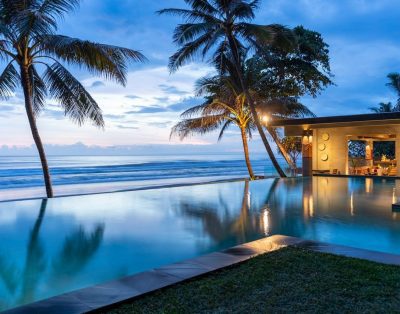
Luxury retreat venues Indonesia properties in Uluwatu provide stunning design and exceptional facilities. Infinity pools overlook the Indian Ocean. Architecture blends seamlessly with clifftop settings. These venues command premium prices but deliver unforgettable visual experiences.
The peninsula’s relative isolation creates natural retreat separation from busier areas. However, this remoteness means longer drives to airports and limited nearby options if you need backup venues or additional services.
Java, Indonesia’s most populous island, receives far fewer retreat visitors than Bali. This oversight represents a missed opportunity. Java offers profound cultural experiences and diverse landscapes at very attractive prices.
Borobudur, the world’s largest Buddhist temple, creates an extraordinary backdrop for retreat venues. The massive stone structure dating to the 9th century radiates historical and spiritual significance. Sunrise over Borobudur ranks among Southeast Asia’s most moving sights.
Venues near Borobudur sit in rural countryside surrounded by rice paddies and traditional villages. This agricultural setting provides authentic immersion in Javanese life. Participants can visit the temple, explore villages, and witness daily ceremonies that haven’t changed in generations.
Fewer international tourists reach this area compared to Bali. Therefore, cultural experiences feel more genuine and less performative. Local communities warmly welcome visitors genuinely interested in their traditions.
Bandung’s high-altitude position creates cooler temperatures year-round. This mountain climate eliminates tropical heat concerns entirely. Participants from temperate regions often find Bandung’s weather more comfortable than coastal humidity.
The surrounding highlands offer tea plantations, volcanic craters, and stunning vistas. These natural attractions provide excellent excursion options during retreat free time. Additionally, Bandung itself is a significant city with modern amenities and good medical facilities nearby.
Mountain retreat venues near Bandung cost significantly less than comparable Bali properties. The savings allow retreat organizers to allocate more budget toward facilitators, special activities, or simply offer more affordable participant pricing.
Yogyakarta serves as Java’s cultural capital. Traditional arts—batik making, shadow puppetry, gamelan music, traditional dance—thrive here. The city’s university population creates intellectual and artistic energy.
Retreat venues in Yogyakarta region provide easy access to both Borobudur and Prambanan temple complexes. Cultural workshops can be integrated into retreat schedules seamlessly. Local artisans welcome groups interested in learning traditional crafts.
The combination of affordability, culture, and accessibility makes Yogyakarta an outstanding choice for retreats emphasizing personal growth through cultural immersion. Participants leave with expanded worldviews alongside their wellness transformations.
Lombok sits immediately east of Bali but feels worlds apart. Development remains modest compared to its famous neighbor. Consequently, Lombok delivers more authentic Indonesian experiences without Bali’s commercialization.
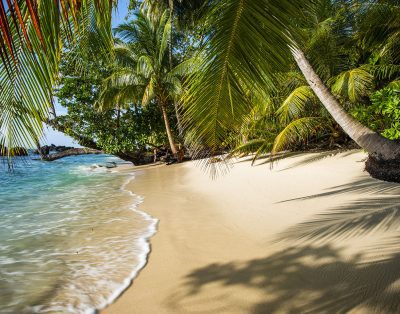
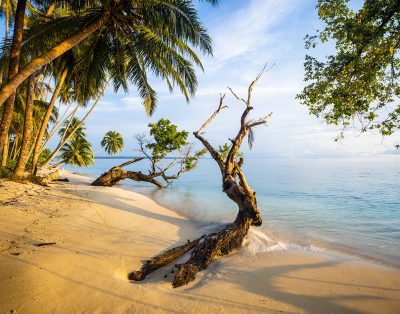
Lombok’s beaches receive a fraction of Bali’s tourist numbers. You’ll find pristine coastlines where your group might be the only people visible. This emptiness creates powerful retreat atmospheres—participants truly feel they’ve escaped normal life.
The island’s predominantly Muslim culture contrasts with Hindu Bali. Calls to prayer mark daily rhythms. Traditional Sasak villages maintain customs largely unchanged by tourism. These cultural differences provide fresh perspectives for participants who’ve already experienced Bali.
Retreat venue Indonesia properties on Lombok cost 30-50% less than equivalent Bali locations. This pricing advantage applies across all categories—from budget to luxury. Your retreat budget stretches significantly further.
Lower costs don’t mean lower quality. Lombok offers excellent facilities, delicious food, and beautiful settings. The savings simply reflect less tourism demand and lower operating costs compared to Bali’s inflated market.
Lombok’s landscapes feel wilder and more dramatic than Bali. Mount Rinjani dominates the island—Indonesia’s second-highest volcano offering challenging multi-day treks. Waterfalls cascade through jungle. Traditional villages cling to hillsides practicing subsistence farming.
This raw beauty attracts participants seeking deeper nature connection. The less manicured environment creates different energy than Bali’s carefully cultivated wellness scene. For groups emphasizing environmental awareness or adventure, Lombok delivers powerfully.
However, Lombok’s infrastructure lags Bali’s development. Fewer backup options exist if problems arise. Internet connectivity is less reliable. These practical considerations require careful evaluation against the advantages Lombok offers.
Indonesia’s archipelago extends far beyond these main destinations. Adventurous retreat organizers are discovering exceptional venues in lesser-known locations.
Sumba offers dramatic landscapes, unique megalithic culture, and pristine beaches. Several luxury eco-resorts cater to wellness tourism. The island’s remoteness creates profound disconnection—no cell service forces genuine digital detox.
The Gili Islands near Lombok provide car-free tranquility and excellent snorkeling. Small size means everywhere sits within walking or cycling distance. Multiple retreat venues operate on Gili Air and Gili Meno—the quieter islands compared to party-focused Gili Trawangan.
Flores combines dramatic volcanic landscapes with traditional villages maintaining ancient customs. Komodo dragons on nearby islands create unique excursion possibilities. The developing tourism scene means bargain prices and authentic experiences.
Let’s talk real money with context and nuance. Pricing for retreat venues Indonesia varies more than simple categories suggest.
These properties deliver clean, comfortable basics without frills. Expect simple rooms, shared bathrooms in some cases, and straightforward Indonesian cuisine. Budget venues work perfectly for yoga teacher trainings, student groups, or retreats prioritizing program over accommodation luxury.
What you typically get:
Budget venues cluster in less touristy areas or slightly inland from beaches. This positioning provides authentic local atmosphere and lower operating costs. However, it may mean longer transfers from airports or fewer immediate amenities.
The quality within this price range varies significantly. Some budget venues are simply older properties with dated facilities. Others are newer eco-lodges choosing simplicity by design rather than necessity. Research carefully to understand what drives the lower pricing.
This sweet spot delivers comfort without luxury premiums. Properties feature thoughtful design, private bathrooms, and varied meal options blending Indonesian and international cuisines. Air conditioning or excellent natural ventilation keeps rooms comfortable.
Mid-range typically includes:
These venues understand retreat operations intimately. Many have hosted hundreds of groups and refined their services based on organizer feedback. This experience translates into smoother logistics and fewer surprises during your program.
Mid-range retreat venues Indonesia properties represent the best value for most organizers. They balance participant comfort expectations with reasonable budgets. Moreover, savings compared to luxury venues can be redirected toward enhanced programming, better facilitators, or reduced participant fees.
Luxury properties compete with high-end resorts globally. Expect exceptional design, gourmet cuisine, spa facilities, and stunning locations. These venues often provide turnkey retreat packages managing every detail from airport pickup through departure.
Premium tier features:
These retreat venues serve programs where participant comfort is paramount. Corporate leadership retreats, high-ticket transformational programs, and luxury wellness experiences justify premium pricing. The investment creates experiences participants cherish for years.
Bali dominates Indonesia’s luxury retreat market, though exceptional properties exist on other islands. Uluwatu and Ubud host most premium venues, with a few scattered across Lombok and Java.
Low season prices can drop 50% or more at many venues. This dramatic difference makes seasonal timing your biggest pricing lever. A venue costing $200 per person nightly in July might offer $100 rates in December.
Indonesian seasons follow different patterns than Western tourist seasons. Understanding these rhythms unlocks significant savings. Additionally, longer stays often negotiate better rates—10+ night bookings frequently receive 15-20% discounts.
Group size dramatically impacts per-person costs. Full venue buyouts achieve the best rates since the property maximizes revenue while minimizing operational complexity. Partial bookings pay premium prices for the flexibility.
Timing affects both experience quality and costs significantly. Indonesia’s tropical climate creates distinct seasons worth understanding thoroughly.
These months deliver Indonesia’s famous perfect weather. Sunny days, minimal rain, and comfortable temperatures create ideal retreat conditions. Outdoor programming runs without weather contingencies. Beach and ocean activities proceed reliably.
Dry season advantages:
Dry season challenges:
July and August represent absolute peak season. Australian winter holidays and European summer combine to create maximum demand. Booking 10-12 months ahead becomes necessary for desirable venues during these months.
April-June and September-October offer the best dry season balance. Weather remains excellent while avoiding absolute peak crowds and pricing. These shoulder months within dry season deserve serious consideration.
“Wet season” sounds worse than reality. Rain typically arrives in short afternoon bursts rather than all-day downpours. Mornings usually stay clear and beautiful. Furthermore, rain brings lush greenery and fewer tourists.
Wet season advantages:
Wet season considerations:
December and January see increased tourism despite wet season designation. Christmas and New Year holidays bring visitors regardless of weather. February and March offer the best wet season deals with improving weather patterns.
Smart retreat organizers schedule morning-focused programs during wet season. Yoga, meditation, and workshops happen while weather is clear. Afternoon rain becomes built-in rest time, journaling opportunities, or indoor activities. Many participants actually prefer this rhythm over relentless sunshine.
Bali’s wet season runs November through March. However, the south and east coasts receive less rain than the north. Uluwatu and Sanur often stay drier than Ubud during wet season.
Java’s seasons follow similar patterns but with more pronounced rainfall. Mountain areas like Bandung experience cooler temperatures year-round—bring layers regardless of season.
Lombok experiences drier conditions than Bali overall. The wet season is shorter and less intense. This weather advantage adds to Lombok’s growing appeal.
Transportation in Indonesia requires realistic expectations and careful planning. The archipelago’s geography creates unique logistical considerations.
Indonesia isn’t like hopping between Greek islands. Distances are vast and connections limited. Fast boats operate on popular routes (Bali-Lombok, Bali-Gilis). However, many islands require flights or lengthy ferry journeys.
Popular inter-island routes:
If your retreat concept involves visiting multiple islands, add substantial buffer time. Weather can delay boats. Flights get cancelled. What seems simple on a map becomes complex in execution.
Most successful retreat venues Indonesia programs stay on one island. This approach eliminates inter-island logistics while still providing diverse experiences through excursions and activities.
Road quality varies dramatically even within single islands. Main routes connecting major cities are generally good. However, scenic coastal roads or mountain access routes can be rough, narrow, and winding.
Google Maps time estimates often prove wildly optimistic. Traffic congestion, road conditions, and necessary rest stops mean journeys take 30-50% longer than digital estimates suggest. Always add buffer time to transportation schedules.
Four-wheel drive vehicles become necessary for some venue access, particularly during wet season. Confirm road conditions and required vehicle types when booking remote properties.
Hiring experienced local drivers represents money well spent. They know roads, traffic patterns, and shortcuts Google doesn’t show. Moreover, they navigate chaotic traffic with skill that would terrify most Western drivers.
Drivers also serve as cultural guides, answering questions and providing context about places you’re passing. This added value enhances the overall retreat experience beyond mere transportation.
Driver arrangements typically cost:
Establish driver relationships through your venue. Venue-recommended drivers arrive vetted and reliable. They also understand retreat group needs better than randomly hired transport.
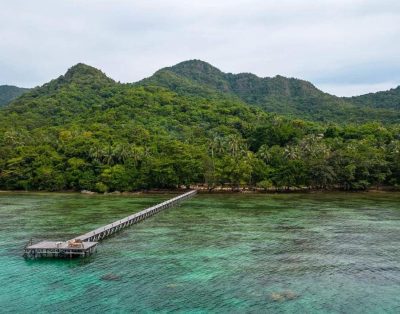
If your retreat venue sits on a smaller island (Gilis, Nusa Penida, etc.), boat transfers add time and cost. Fast boats run on schedules that might not align perfectly with your needs. Private charters offer flexibility at higher cost.
Boat schedules change seasonally and with weather conditions. Rough seas cancel services. Building buffer days around boat-dependent travel prevents schedule disasters when weather doesn’t cooperate.
Motion sickness affects some participants on boat journeys, particularly during rougher wet season conditions. Bring appropriate medication and set expectations about potential choppy crossings.
Understanding package inclusions versus extra costs prevents budget surprises. Retreat venue Indonesia packages vary in scope and comprehensiveness.
Most Indonesian venues operate on full-board basis. Three daily meals showcase local cuisine with some international options. Shared practice spaces for yoga or workshops come standard. Basic amenities like linens, towels, and housekeeping are provided.
Wifi access is typically included in common areas, though quality and room access varies by location. Outdoor spaces—pools, gardens, or beach access—come with the venue. Many properties also include use of basic yoga equipment like mats and blocks.
The accommodation itself obviously forms the core package element. Room types range from shared dormitories to private bungalows depending on price point. Clarify exactly what room configurations your quote includes.
Airport transfers almost always cost extra unless you’ve booked an all-inclusive luxury package. Bali’s congested traffic means even short transfers can take 90+ minutes and cost $40-60 per vehicle.
Special dietary accommodations sometimes incur surcharges. Vegetarian and vegan options are increasingly standard in Indonesian retreat venues. However, specific allergen-free preparations or elaborate Western diet requirements might add $10-20 daily per person.
Additional meeting or practice spaces beyond the standard yoga shala may be charged separately. If your program requires breakout rooms or multiple simultaneous spaces, clarify these costs during booking.
Activity guides, excursion fees, and entrance tickets aren’t typically included. Temple visits, cultural performances, adventure activities, and guided tours require separate payment. Budget these experiences according to your retreat program design.
Spa services and massage therapy almost always cost extra. Indonesian massage is remarkably affordable—$15-30 for excellent treatments. However, daily massage for 20 participants adds up. Clarify what wellness services are included versus available for purchase.
Some luxury venues offer truly all-inclusive packages covering everything from airport pickup through all meals, activities, and even some spa services. These turnkey options simplify budgeting and participant communication.
However, all-inclusive packages command premium pricing. You’re paying for convenience and certainty. For budget-conscious retreats, Ã la carte approaches offer more flexibility to control costs by selecting only essential inclusions.
Forget the obvious choices plastered across Instagram. We’ve discovered retreat venues in unexpected locations offering extraordinary experiences.
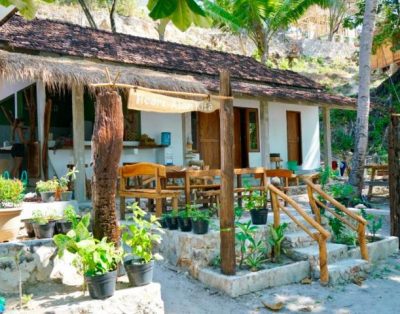
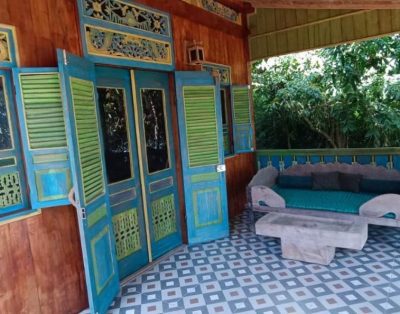
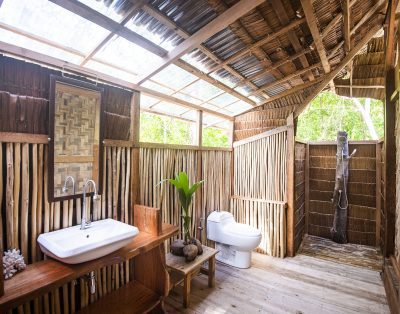
Several Indonesian villages have transformed traditional compounds into eco-lodges. These properties maintain authentic architecture while adding modern comfort essentials. Guests sleep in traditional Javanese joglo houses or Balinese family compounds.
Village-based venues provide unmatched cultural immersion. Participants witness daily life, participate in ceremonies if welcomed, and support communities directly through their stay. This authentic engagement creates meaningful connections impossible at commercial resorts.
Prices run 30-40% below comparable commercial venues. The trade-off is simpler amenities and very limited backup options. However, the genuine experience and community connection often outweigh minor convenience sacrifices.
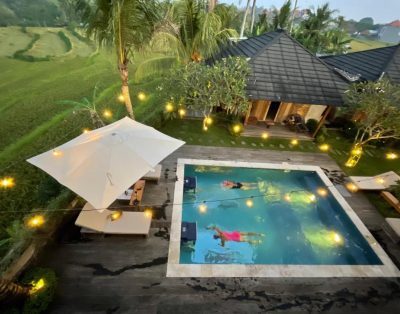
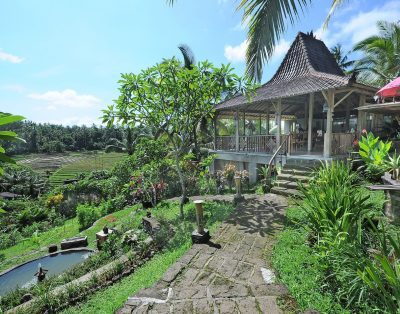
Rice cultivation defines Indonesian landscapes and culture. Some innovative venue owners have converted working rice terraces into retreat spaces. Open pavilions overlook cascading paddies. The rhythm of agricultural life provides natural daily structure.
These venues blend productive farming with hospitality. Meals feature rice and vegetables grown steps from the kitchen. Participants can join planting or harvesting activities, learning skills that have sustained Indonesian civilization for millennia.
The combination of stunning visual beauty, cultural authenticity, and agricultural connection creates powerful retreat atmospheres. Participants leave with deeper appreciation for food systems and traditional sustainable practices.
Purpose-built meditation centers differ dramatically from hotels hosting retreats. These properties were designed specifically for contemplative practice—acoustics, lighting, sight lines, and even building orientation optimize meditation conditions.
Indonesia’s Buddhist and Hindu heritage means meditation traditions run deep. Centers led by experienced teachers offer authentic lineage connections. Participants benefit from this accumulated wisdom and refined practice environments.
Beachfront locations add ocean sounds and views to meditation experiences. The combination of crashing waves and structured silence creates powerful practice conditions. Moreover, these centers typically cost less than resort-based alternatives despite superior practice facilities.
High-altitude retreat venues Indonesia offers throughout mountain regions provide completely different energy than coastal locations. Cool temperatures, mountain vistas, and quieter atmospheres suit retreats emphasizing inward focus over activity.
Mountain venues often sit near volcanic crater lakes or tea plantations. The surrounding landscapes offer excellent hiking and nature immersion. Participants can practice yoga at dawn overlooking mist-filled valleys—experiences that stay with them for life.
These locations attract fewer tourists overall, creating more authentic interactions with local communities. Mountain people maintain traditional lifestyles and warmly welcome visitors interested in their culture rather than just passing through.
The real story with Indonesian retreat food deserves honest discussion. Cuisine significantly impacts participant satisfaction and retreat success.
Indonesian cuisine ranks among Asia’s best but receives less international recognition than Thai or Vietnamese food. Complex spice combinations, diverse cooking techniques, and regional variations create endlessly interesting meals.
Traditional dishes retreat participants love:
Most retreat kitchens excel at Indonesian preparation. These dishes are made daily using fresh ingredients and traditional methods. Participants discover flavors they’ve never experienced despite eating “Indonesian” food at home.
Venues catering extensively to international preferences must import ingredients. Quinoa, almond milk, specialty grains, and imported proteins cost dramatically more in Indonesia. These expenses get passed to retreat organizers.
Budget venues typically stick to Indonesian cuisine. Mid-range properties blend local and international options within standard pricing. Luxury venues provide extensive international menus, though costs reflect the imported ingredients required.
If your group absolutely requires Western breakfast standards (pancakes, granola, etc.), discuss this during booking. Expect meal costs to increase $8-18 per person daily depending on requirements and venue location.
Indonesian cuisine naturally includes abundant plant-based options. Tempeh and tofu are traditional proteins, not trendy alternatives. Vegetable-forward dishes dominate local cooking. Consequently, vegan participants thrive at Indonesian retreat venues.
Even budget properties handle vegan meals effortlessly within standard pricing. The challenge isn’t availability but rather variety across multi-day stays. Ensure your venue can rotate dishes sufficiently to prevent menu monotony.
Celiac and gluten-free requirements need careful communication. Cross-contamination prevention isn’t standard practice at most Indonesian kitchens. Soy sauce (containing wheat) appears in many dishes. Rice-based alternatives exist but require specific preparation.
Provide detailed dietary information at least 30 days before arrival. Include severity of allergies and acceptable substitutions. The more specific your guidance, the better kitchens can prepare safely.
Some venues charge modest fees ($10-15 daily) for elaborate allergen-free meal preparation due to extra kitchen work and ingredient sourcing required. This cost reflects reality, not profiteering. Complex dietary needs genuinely require additional resources.
Modern retreat organizers must balance digital detox goals with practical connectivity needs. Here’s the honest situation at retreat venues Indonesia locations.
Internet quality depends entirely on location and infrastructure investment. Bali’s tourist areas have fiber optic connections rivaling Western speeds. Remote islands rely on satellite connections—slower and less reliable.
Connectivity expectations by location:
Common area wifi is standard at virtually all venues. However, room connectivity is less common, especially at eco-lodges and budget properties. Many retreat organizers consider this advantageous—encouraging participants to disconnect in private spaces.
If your retreat requires reliable internet for virtual components or participant work needs, test it before committing. Schedule video calls from the venue at different times of day. This reveals actual performance under various load conditions.
Electrical service interruptions occur, particularly on smaller islands and during storms. Established venues maintain backup generators for essential power. However, air conditioning might be cut to conserve generator capacity.
Quality venues inform guests about power protocols. They provide flashlights, lanterns, or headlamps in rooms. Some even frame outages as opportunities for deeper disconnection and candlelit communal experiences.
Voltage fluctuations can damage sensitive electronics. Bring surge protectors for laptops and important devices. Some venues provide voltage stabilizers, but don’t assume this protection exists.
Major Indonesian carriers (Telkomsel, XL Axiata, Indosat) cover tourist areas reasonably well. However, coverage drops dramatically in remote locations. Some jungle and mountain venues have zero cell service.
This complete disconnection appeals to certain retreat participants while concerning others. Verify cell coverage for your specific venue location. International roaming plans vary in Indonesian support—research your carrier’s specific coverage before arrival.
Emergency communication protocols become crucial at venues lacking cell service. Venue landlines or wifi calling via WhatsApp provide backup contact methods. Collect emergency contact numbers and create clear communication plans.
Never rely on technology functioning perfectly at remote Indonesian venues. Have analog alternatives for crucial elements. Print schedules rather than depending on digital displays. Download any media or music needed rather than streaming.
Build buffer time into schedules accounting for potential tech issues. This flexibility prevents stress when inevitable connectivity problems arise. Moreover, tech challenges often become bonding experiences as groups navigate them together.
Real questions retreat organizers actually ask, answered honestly.
Stick to bottled or filtered water at all Indonesian venues. Tap water isn’t potable even at luxury properties. Most venues provide large filtered water dispensers throughout the property—refill your bottle freely from these.
Brushing teeth with tap water is generally fine, though cautious travelers use bottled water even for this. Ice at reputable venues comes from filtered water sources. However, at local warungs outside your venue, skip the ice unless you’re certain of the source.
Tourist areas function well with English only. Bali and major Java cities have English-speaking staff at virtually all retreat venues. However, learning basic Indonesian phrases shows cultural respect and enhances your experience.
Useful phrases everyone should learn:
For venue negotiations or complex communications, having an Indonesian speaker helps clarify details. Misunderstandings about inclusions, policies, or logistics can create problems. If your Indonesian is limited, consider hiring a translator for initial venue communications.
Many Indonesian venues request cash deposits, particularly smaller properties. ATMs are readily available in tourist areas but scarce in remote locations. Withdraw sufficient cash before heading to isolated venues.
Credit cards work at established properties but often incur 3-5% surcharges. These fees cover transaction costs venues pay. Carrying USD cash often yields better exchange rates than credit card conversions.
Indonesian Rupiah has large denominations—100,000 Rupiah notes (about $6 USD) are common. Get comfortable with zeros to avoid overpaying due to confusion. Use currency converter apps until you’re comfortable with quick mental conversions.
Most nationalities receive 30-day visa-free entry to Indonesia for tourism purposes. This covers the majority of retreat durations. Longer programs require applying for extended tourist visas before arrival.
Visa-on-arrival options exist for 60-day stays with one 30-day extension possible. Processing happens at major Indonesian airports for $35 USD. However, not all nationalities qualify—check current requirements for your passport.
Technically, tourist visas don’t permit “work,” including leading retreats. Enforcement is inconsistent, particularly for single-event retreat leaders. However, regular retreat facilitators should investigate proper business visa options to avoid potential issues.
Indonesia is generally very safe for tourists. Violent crime against foreigners is extremely rare. Petty theft happens occasionally, particularly in busy tourist areas. Standard precautions—securing valuables, not leaving items unattended on beaches—suffice.
Traffic poses the biggest safety risk. Motorbike accidents injure tourists regularly. If renting scooters during free time, ensure participants have proper licenses and experience. Many retreat organizers simply prohibit motorbike rentals to avoid this risk entirely.
Natural disasters—earthquakes, volcanic eruptions, tsunamis—occur in Indonesia’s tectonically active region. However, they’re unpredictable and relatively rare. Choose venues with clear emergency protocols and evacuation plans for maximum safety.
Ensure your venue has medical protocols established. Ask about nearest clinics, English-speaking doctors, and evacuation procedures for serious situations. Quality venues take safety seriously and maintain clear emergency plans.
WhatsApp us