

How Many People Should You Host? Ideal Group Sizes for Different Retreat Types
Deciding how many people to host at your retreat starts with a single, practical question: what is the ideal attendance for the type of experience you want to create? In 2025, teams range from intimate cohorts to sizeable cohorts, but the success of any retreat hinges on finding the sweet spot where intimate group dynamics meet meaningful collaboration. The right group size influences venue choice, scheduling, budget, and the overall atmosphere—so nailing this number upfront is a cornerstone of effective retreat planning.
Ideal Group Sizes for Different Retreat Types
Group size is a guiding metric that informs every decision from retreat planning to event hosting. Smaller gatherings (roughly 6-20 participants) foster deeper conversations, personalized coaching, and safe space for sharing, which works wonderfully for yoga, mindfulness, and creative writing retreats. Medium-scale groups (around 20-40) strike a balance between energy and intimacy, ideal for wellness workshops or team development sessions. Large cohorts (up to 60-120 participants) can unleash high-energy activities, keynote segments, and structured group dynamics drills, common in corporate retreats or large creative bootcamps. The nuance lies in pairing the retreat type with the participant number that preserves engagement without sacrificing safety or comfort.
To tailor your plan, consider these core questions: what transformation do you want for attendees, how dense should the schedule feel, and what venue capacity can you realistically secure? A thoughtful alignment between retreat capacity and the intended experience often yields the most memorable outcomes.
Critical factors shaping your ideal attendance
- Retreat type (wellness, corporate, creative, spiritual, fitness) sets an initial range for group size.
- Venue capacity and the layout (shared rooms, private spaces, breakout areas) constrain the ceiling.
- Facilitation model—how many coaches, guides, or facilitators are needed to sustain depth and safety?
- Budget and pricing structure, including accommodation, meals, and activities, scales with participant number.
- Safety and accessibility considerations, ensuring everyone can participate fully.
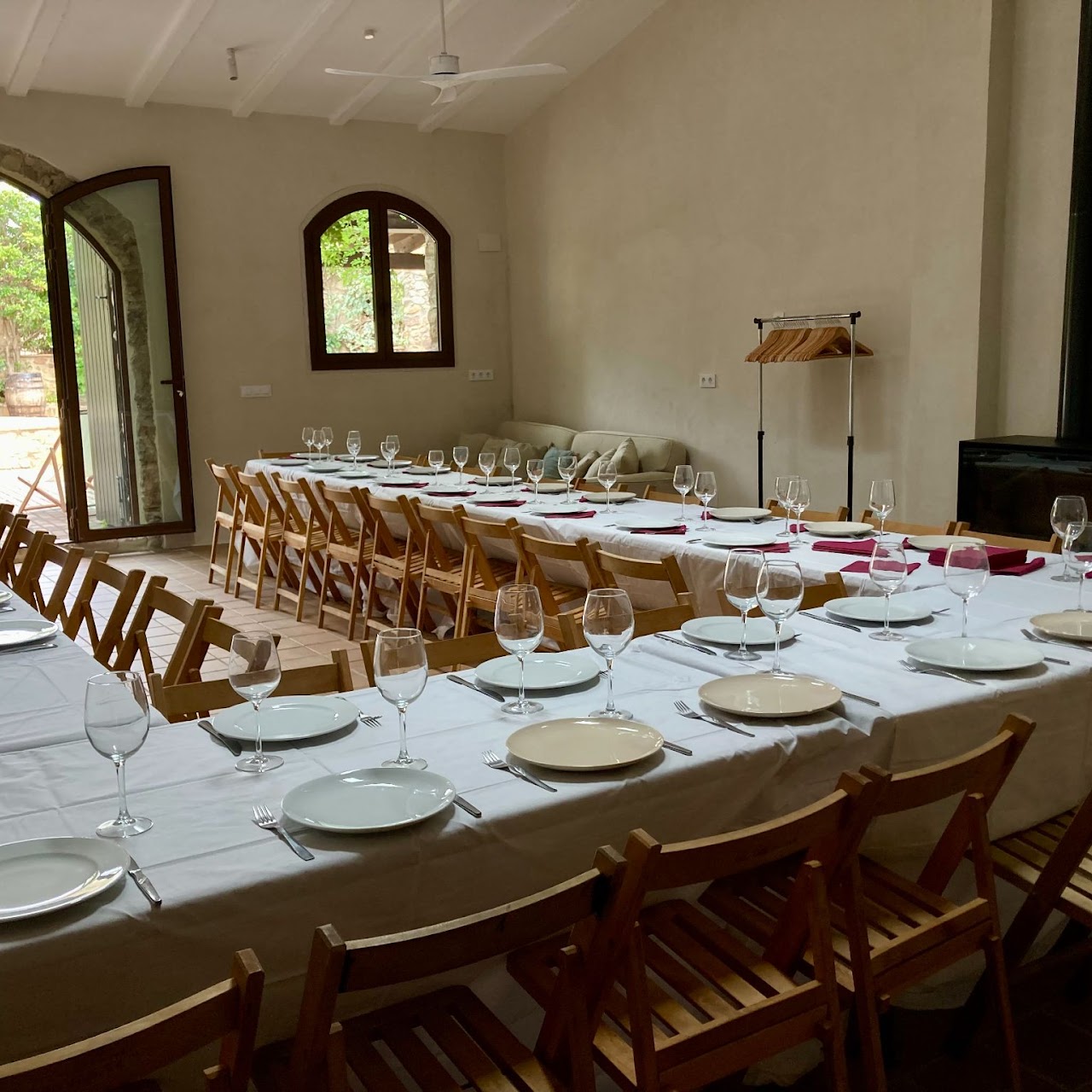
Guidelines by Retreat Type: Where size matters most
Understanding group size across retreat types helps you design flow, pacing, and breakout opportunities that keep participants engaged. A well-planned retreat planning framework typically assigns a capacity envelope for each segment, ensuring you can scale activities without overwhelming attendees.
Practical sizing by retreat type
| Retreat Type | Ideal Attendance (range) | Notes on flow and activities | Typical venue needs |
|---|---|---|---|
| Yoga and mindfulness retreats | 6-20 | Intimate circles foster personal guidance, deep asana clinics, and reflective sessions. | Small studio spaces, quiet outdoor areas, single-room occupancy or few cabins. |
| Wellness workshops and creative retreats | 15-40 | Balance hands-on sessions with sufficient downtime for integration. | Medium venues with breakout rooms and comfortable common areas. |
| Corporate team retreats | 25-60 | Structured sessions, leadership coaching, and collaborative activities benefit from diverse small groups. | Large conference spaces, multiple breakout rooms, and reliable A/V setups. |
| Large-scale retreats or bootcamps | 60-120 | Keynote sessions, network circles, and cohort tracks thrive with clear schedules and buffers. | Resorts or conference hotels with multiple meeting rooms and dining areas. |
| Spiritual or contemplative experiences | 6-18 | Quiet spaces, ceremony areas, and intimate circle timings are essential. | Quiet campuses or nature-centric venues with meditation halls. |
| Luxy mastermind or high-end retreats | 12-40 | Smaller cohorts with premium facilitation and exclusive experiences. | Boutique properties or villas with privacy and dedicated staff. |
As you assess each retreat type, remember that retreat capacity is not just about numbers; it’s about the group dynamics—how people interact, the level of engagement, and the depth of the transformation you aim to achieve.
- Define a clear transformation for attendees and map it to the ideal attendance range.
- Design a flexible schedule that accommodates growth or contraction in participant numbers.
- Plan breakout tracks to keep engagement high in larger groups.
For hosts aiming to scale thoughtfully, event hosting strategies matter as much as the guest list. Start with a realistic participant number for your main sessions, then layer in optional activities to preserve energy. If you’re researching a Europe-focused setting, you might compare France and Greece as two distinct vibes that influence attendance and pacing.
Hosting tips to manage participant numbers
- Start with a pilot capacity—test a smaller cohort to validate your flow before expanding.
- Tiered pricing and invitations—offer early-bird slots and staggered enrollments to avoid last-minute surges.
- Structured schedules with clear buffers between activities prevent fatigue in larger groups.
- Efficient pairing and breakouts—organize participants into consistent cohorts to deepen connection.
- Roles and support staff—assign facilitators, assistants, and safety leads to maintain quality as numbers grow.
Finally, keep in mind that group management is as much about culture as numbers. A thoughtful opening circle, inclusive language, and personalized welcome notes set the tone for how attendees will engage with the day.