A password will be e-mailed to you
You’re drowning in browser tabs trying to find the perfect retreat venue Costa Rica has to offer.
Our platform includes dozens of venues there, and we’re about to save you weeks of research.
Here’s what most “experts” won’t say outright:
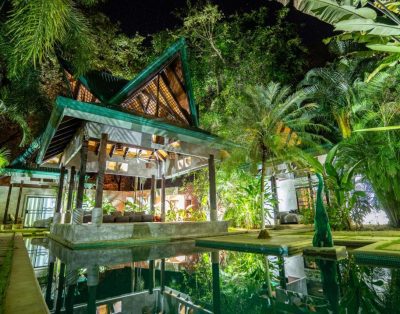
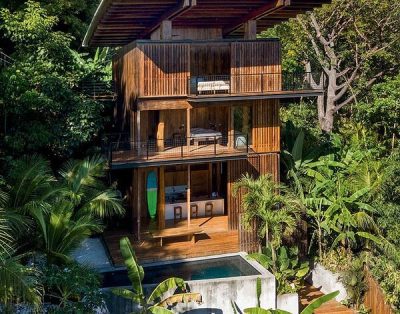
Not all beach venues deliver what their photos promise. Some “jungle retreats” are actually just fancy hotels with a few trees planted around the pool. The gap between marketing materials and reality can be startling.
Costa Rica has earned its reputation as a top wellness destination. However, that popularity means increased competition for prime dates and inflated prices at well-known properties. Understanding the landscape helps you navigate these challenges effectively.
The country’s infrastructure varies dramatically by region. What works beautifully in one area might create logistical nightmares in another. Moreover, seasonal weather patterns influence more than just outdoor activities—they affect road conditions, participant comfort, and even internet reliability.
Choosing the right region shapes your entire retreat experience. Each area offers distinct advantages and challenges that retreat organizers must consider carefully.
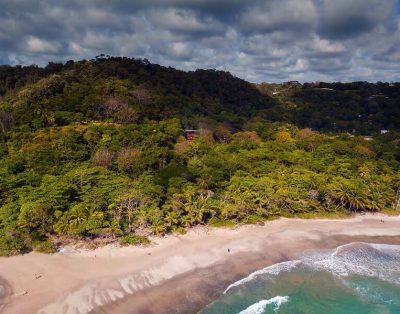
The Pacific side attracts most international visitors for good reason. Infrastructure here supports retreat operations smoothly. Paved roads connect major venues to airports. Consequently, participant arrival and departure logistics run more predictably.
Manuel Antonio combines beach access with national park proximity. The area offers established wellness centers and experienced local facilitators. However, popularity means higher prices and more tourist traffic. Peak season transforms quiet beaches into bustling scenes.
Tamarindo has evolved into a surf and yoga hub. Numerous retreat venues Costa Rica operates here cater specifically to wellness groups. The town provides abundant restaurants, shops, and activities for free time. Yet some retreat leaders find it too developed, lacking the authentic jungle immersion they seek.
Nosara strikes a middle ground. This area maintains a laid-back vibe despite growing popularity. Strong yoga community roots mean experienced instructors and holistic practitioners are readily available. The beaches remain stunning and less crowded than Tamarindo.
Pacific Coast advantages:
Pacific Coast considerations:
The Caribbean coast delivers raw beauty and authentic culture. This region feels worlds away from the Pacific’s developed tourism corridor. Afro-Caribbean influence creates a distinct atmosphere reflected in music, food, and local interactions.
Puerto Viejo offers the most developed Caribbean option. The town balances accessibility with authenticity. Beach venues here provide stunning settings at lower price points than Pacific equivalents. The vibe is relaxed, almost bohemian.
Manzanillo represents the furthest accessible point down the Caribbean coast. Protected wildlife refuge surroundings create pristine natural settings. Venues here offer true seclusion. However, this remoteness requires careful logistical planning.
The Caribbean side experiences different weather patterns. Rain falls more consistently throughout the year compared to the Pacific’s distinct dry season. Additionally, roads can deteriorate during heavy rains, affecting accessibility.
Caribbean Coast advantages:
Caribbean Coast considerations:
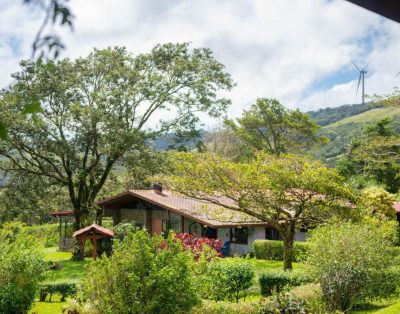
Mountain retreat venues provide completely different experiences. Cooler temperatures eliminate tropical heat concerns. Cloud forests create mystical atmospheres perfect for introspective work. Furthermore, biodiversity in these regions exceeds even coastal areas.
Monteverde is famous for cloud forest reserves and suspension bridges. The area attracts nature lovers and those seeking cooler climates. Venues here range from rustic eco-lodges to comfortable retreat centers. The setting naturally encourages quiet contemplation.
Arenal combines mountain scenery with volcanic hot springs. This pairing of natural beauty and therapeutic waters attracts wellness-focused groups. The region offers adventure activities for free time—zip-lining, waterfall hikes, and more. Consequently, it suits retreats wanting to blend wellness with adventure.
San Gerardo de Dota remains relatively undiscovered. This high-altitude valley offers stunning mountain vistas and premier bird-watching. Venues here provide intimate settings ideal for small groups seeking profound disconnection from modern life.
Mountain advantages:
Mountain considerations:
Let’s talk money with actual numbers and context. Pricing for retreat venue Costa Rica options varies more than you might expect.
These properties deliver basic comfort without luxury touches. Expect simple rooms, communal bathrooms in some cases, and straightforward local cuisine. Budget venues work well for yoga teacher trainings, student groups, or retreats where program content matters more than accommodation luxury.
What you typically get:
Budget venues are often found in less touristy areas. This location advantage means more authentic local experiences. However, it also means potentially longer travel times and fewer immediate backup options if issues arise.
This category represents the sweet spot for many retreat organizers. Properties balance comfort with value. Rooms feature private bathrooms and thoughtful design. Meals showcase both local and international options. Consequently, participant satisfaction typically runs high without breaking retreat budgets.
Mid-range venues usually include:
These properties understand retreat needs specifically. Many have hosted numerous programs and refined their offerings based on organizer feedback. This experience translates into smoother operations and fewer surprises.
Luxury retreat venues Costa Rica offers compete with high-end resorts globally. Expect exceptional design, gourmet cuisine, spa facilities, and stunning natural settings. These properties often provide turnkey retreat packages handling everything from airport transfers to evening entertainment.
Premium venues serve retreats where participant comfort is paramount. Corporate leadership programs, luxury wellness retreats, and high-ticket transformational experiences justify these price points. The investment delivers an experience that participants remember for years.
Luxury tier typically features:
Green season discounts represent the biggest savings opportunity. Prices drop 30-40% from May through November. Morning weather typically stays clear for programming. Afternoon rains create natural downtime for integration and rest.
Booking multiple retreats at the same venue often unlocks discounts. Venue owners prefer repeat clients who understand their property. Negotiate package deals for committing to 2-3 retreats annually.
Longer stays sometimes reduce per-night costs. A 10-day retreat might cost less per night than a 5-day program. Additionally, venues save on turnover cleaning and setup, making longer bookings more profitable for them.
Timing your retreat and booking affects both cost and experience quality. Understanding seasonal patterns helps you make informed decisions.
These months deliver Costa Rica’s famous “endless summer.” Pacific coast areas experience virtually no rain. Temperatures stay warm but comfortable. Consequently, this period attracts peak tourism and commands premium pricing.
High season advantages:
High season challenges:
Book high season venues a full year in advance. Popular properties sell out their prime dates even earlier. If your retreat depends on specific weeks (holiday periods, for example), start searching 18 months out.
“Green season” is marketing speak for rainy season, but don’t let that scare you. Mornings typically stay clear and beautiful. Afternoon rains are often brief and refreshing. Furthermore, the landscape becomes incredibly lush during these months.
Green season advantages:
Green season considerations:
Smart retreat organizers schedule morning sessions when weather is most reliable. Afternoon rain becomes built-in rest time or indoor workshop opportunities. Many participants actually prefer green season’s quieter, more authentic atmosphere.
September and October see the heaviest rainfall. June through August and November offer the best green season balance—lower prices with more manageable rain patterns.
Getting to your retreat venue Costa Rica location isn’t always Instagram-perfect. Ground transportation deserves careful consideration during planning.
San José (SJO) serves as the international hub. However, it’s located in the Central Valley, requiring 2-4 hour drives to most coastal venues. Mountain destinations like Monteverde sit closer—just 2-3 hours away.
Liberia (LIR) serves the Pacific northwest. This airport puts you much closer to Tamarindo, Nosara, and northern beach destinations. Travel time drops to 1-2 hours for most venues in this region.
International flights to Liberia cost slightly more than San José routes. However, saved ground transportation time and costs often offset the airfare difference. Moreover, shorter travel days mean participants arrive fresher and more energized.
Some venue access roads aren’t paved. Four-wheel drive becomes necessary during rainy season. Google Maps doesn’t always reflect actual road conditions or seasonal accessibility. Consequently, venue owners provide the most reliable route guidance.
Transportation planning tips:
Private shuttle services specifically serve retreat groups. These operators know the routes and drive appropriately for group comfort. Costs run $150-400 depending on distance and group size. While seemingly expensive, the peace of mind and reliability justify the investment.
Understanding what’s included versus extra costs prevents budget surprises. Retreat venue Costa Rica packages vary significantly in their scope.
Most venues provide basic full-board accommodation. Three daily meals showcase local cuisine with some international options. Shared practice spaces for yoga or workshops come standard. Basic amenities like linens, towels, and housekeeping are provided.
Wifi access is usually included, though quality varies by location. Common areas for gathering between sessions come with the venue. Many properties also include use of pools, gardens, or beach access if applicable.
Airport transfers almost always cost extra unless you’re booking a premium all-inclusive package. Expect $50-150 per person for round-trip private shuttles depending on distance.
Activity coordination—like zip-lining, horseback riding, or cultural tours—requires additional payment. Some venues arrange these for a commission, while others simply provide recommendations.
Special dietary accommodations sometimes incur extra charges. Vegan and vegetarian options are usually manageable within standard pricing. However, specific allergen-free preparations or elaborate special diets might cost $10-20 daily per person extra.
Additional meeting or practice spaces beyond the standard room might be charged separately. If you need multiple simultaneous spaces for breakout groups, clarify these costs upfront.
Spa services, massage therapists, or specialized facilitators aren’t typically included. Budget $60-120 per session for these professional services. Some venues have arrangements with local practitioners offering group discounts.
Skip the obvious spots everyone Instagram-posts. Here’s where real magic happens for those willing to venture beyond standard recommendations.
These working farms transformed into retreat spaces offer unmatched authenticity. Owners typically live on-property, providing personal attention most commercial venues can’t match. Meals feature produce grown steps from the kitchen.
Family fincas accommodate smaller groups—usually 10-20 people maximum. This intimacy creates powerful group bonding. Participants often describe these experiences as feeling like visiting family rather than attending a commercial retreat.
Prices run 20-30% below comparable commercial venues. The trade-off is sometimes simpler amenities and fewer backup options. However, the authentic experience and personal connection often outweigh these minor limitations.
Costa Rica’s coffee heritage runs deep. Some plantation owners have repurposed historic buildings into unique retreat venues. These properties blend agricultural tradition with comfortable accommodation.
Morning coffee tours led by owners who grew up on the land provide cultural depth. The high-altitude locations mean cooler temperatures and stunning views. Furthermore, the plantation setting creates built-in walking meditation paths through coffee groves.
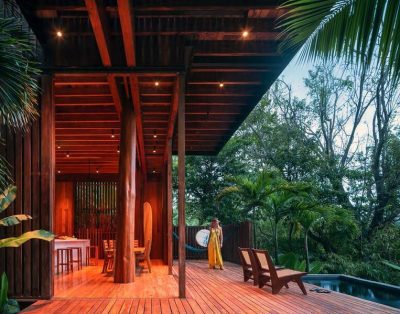
Several eco-lodges operate adjacent to or within national park buffer zones. These locations provide unparalleled wildlife viewing and pristine natural settings. Howler monkeys wake you naturally. Sloths hang in trees visible from yoga platforms.
Sustainability is woven throughout operations at genuine eco-lodges. Solar power, rainwater collection, and composting toilets are standard. This environmental commitment attracts participants who value ecological responsibility. However, rustic eco-infrastructure requires proper expectation setting with retreat participants.
Purpose-built yoga centers differ from hotels hosting retreats. These venues were designed specifically for practice—acoustics, lighting, flooring, and prop storage all optimized for yoga and meditation work.
Owner-operators at these centers often teach themselves. Their expertise supports less experienced retreat leaders. The yoga-focused community atmosphere is palpable. Participants feel they’ve entered a dedicated practice space rather than a generic venue.
Real talk about what you’ll actually eat at your retreat venue Costa Rica program.
Traditional Costa Rican food centers on rice and beans (gallo pinto), fresh fruits, and simple preparations. The cuisine is healthy by default—light on heavy sauces, rich in vegetables and tropical fruits. Breakfast often features fresh papaya, pineapple, and mango alongside eggs and gallo pinto.
Lunch typically represents the main meal. Casados—a traditional plate with rice, beans, plantains, salad, and protein—provide balanced nutrition. Dinner tends lighter, often featuring soups or smaller portions.
Most retreat participants genuinely enjoy Costa Rican food. It’s neither too exotic nor too bland. The freshness and quality shine through simple preparations. Furthermore, the natural lightness supports wellness programming better than heavy cuisines.
Venues catering to international preferences stock imported ingredients. These cost significantly more in Costa Rica. Almond milk, quinoa, specialty grains, and imported proteins increase meal costs substantially.
Budget venues typically stick to local ingredients and Costa Rican preparations. Mid-range properties blend local and international options. Luxury venues provide extensive international menus with imported ingredients.
If your group requires extensive Western menu options, discuss this during booking. Expect meal costs to increase $10-25 per person daily depending on requirements. Some venues simply can’t accommodate elaborate international menus due to location or kitchen capacity.
Vegetarian and vegan meals are increasingly standard at Costa Rican retreat venues. The country’s fresh produce makes plant-based eating easy and delicious. Most venues handle these dietary preferences within standard pricing.
However, specific allergies—particularly gluten-free requirements—need advance communication. Cross-contamination prevention and dedicated prep areas aren’t standard at smaller venues. Gluten-free options exist but require planning.
Provide detailed dietary requirements at least 30 days before arrival. Include severity of allergies and acceptable substitutions. The more specific your information, the better venues can prepare. Some properties charge $15-20 daily for elaborate allergen-free meal preparation due to extra kitchen work required.
At reputable venues, tap water is safe for drinking. Costa Rica maintains good water treatment standards in most developed areas. However, mountain and remote locations sometimes use well or spring water that should be filtered or boiled.
Always ask your venue specifically about water safety. Most provide purified drinking water regardless of tap water quality. Participants should avoid drinking from streams or natural sources without purification, despite how pristine they appear.
Modern retreat organizers must balance digital detox goals with practical connectivity needs. Here’s the real situation at Costa Rica venues.
Internet quality depends entirely on location and infrastructure investment. Beach and mountain venues often rely on satellite connections—slower and less reliable than urban fiber optics. Weather affects satellite performance, with heavy clouds sometimes degrading service.
Common area wifi is standard at most venues. However, room connectivity is less common, especially at eco-lodges and budget properties. Some retreat organizers consider this advantageous—encouraging participants to disconnect in private spaces while maintaining necessary communication access in shared areas.
If your retreat requires reliable internet for virtual components or participant work needs, test it before committing. Ask to video chat from the venue at different times of day. This reveals actual performance under load.
Electrical service interruptions occur, particularly during rainy season and in remote areas. Most established venues have backup generators maintaining essential power. However, air conditioning might be cut to conserve generator capacity.
Quality venues inform guests about outage protocols. They provide flashlights, lanterns, or headlamps in rooms. Some even frame outages as opportunities for deeper digital detox and candlelit evening experiences.
Major carriers (Kolbi, Movistar, Claro) cover tourist areas reasonably well. However, coverage drops dramatically in remote locations. Some beach and mountain venues have zero cell service. This complete disconnect appeals to certain retreat participants while distressing others.
Verify cell coverage for your specific venue. Test with international calling/data plans if participants need to maintain emergency contact availability. Some retreat leaders collect emergency contact numbers and create a communication protocol using the venue’s landline or wifi calling.
Never rely on technology functioning perfectly at remote retreat venues Costa Rica offers. Have analog alternatives for crucial elements. Print schedules rather than depending on digital displays. Download any media or music needed rather than streaming.
Build buffer time into schedules accounting for potential tech issues. This flexibility prevents stress when inevitable connectivity problems arise.
Real questions retreat organizers actually ask, with honest answers.
At reputable venues, yes—but always ask specifically. Most properties provide purified water regardless. In remote areas or budget venues using well water, stick to provided filtered or bottled water. Brushing teeth with tap water is generally fine everywhere.
Most venue staff speak functional English, especially at properties regularly hosting international retreats. However, learning basic Spanish phrases enhances your experience and shows cultural respect. Simple greetings, please/thank you, and food-related terms go a long way.
For venue tours or negotiations, having a Spanish speaker helps clarify details. Misunderstandings about inclusions, policies, or logistics can create problems. If your Spanish is limited, consider hiring a translator for initial venue communications.
They’re part of paradise—accept this reality. Good venues implement prevention systems: screened windows, mosquito nets, regular spraying of common areas. However, you’re in tropical nature. Insects will appear.
Prepare participants appropriately. Bring insect repellent, antihistamine for bites, and realistic expectations. Most bugs are harmless nuisances. Dangerous species are rare and venues know how to manage them.
Wildlife encounters are generally positive. Monkeys, sloths, toucans, and iguanas create magical moments. Venues in national park areas provide guidelines for safe wildlife appreciation.
Costa Rica rarely experiences direct hurricane hits due to its geographical position. The country sits too far south for most Caribbean hurricane paths and too close to the equator for Pacific hurricanes to maintain strength.
Rain is the main weather factor—not hurricanes. Tropical storms can bring heavy rainfall and wind, but catastrophic hurricane damage is extremely uncommon. This is one advantage Costa Rica holds over Caribbean islands farther north.
Tourist areas have clinics with English-speaking doctors. Serious medical situations might require evacuation to San José’s excellent private hospitals. Most venues maintain relationships with local doctors who make house calls for minor issues.
Costa Rica is generally very safe. Violent crime against tourists is rare. Petty theft happens, particularly in busy tourist areas. Standard precautions—securing valuables, not leaving items on beaches—suffice.
Ensure your venue has emergency protocols. Ask about nearest medical facilities, evacuation procedures, and staff first aid training. Quality venues take safety seriously and have clear plans.
WhatsApp us