A password will be e-mailed to you
You’re drowning in browser tabs trying to find the perfect retreat venue Canary Islands has to offer.
Our platform includes dozens of venues there, and we’re about to save you weeks of research.
The Canary Islands sit at an unusual crossroads. Technically part of Spain, geographically kissing the African coast, they enjoy a climate that stubbornly refuses to follow European seasons. For retreat organizers, that combination — mild weather, short flights from most of the continent, and a landscape unlike anything on the mainland — makes the archipelago one of the most strategically sound choices in Europe right now.
But the Canaries aren’t a single destination. Each island has its own character, infrastructure, and sweet spot. Choosing the right retreat venue in the Canary Islands starts with understanding which island fits your programme — not just which property looks good in photos.
Most European retreat destinations come with asterisks. Too cold in winter, overrun in summer, unpredictable in spring. The Canary Islands are genuinely different — over 300 days of sunshine and year-round mild temperatures make scheduling a retreat here a far less weather-dependent decision than almost anywhere else on the continent.
The islands’ accessibility from Europe, combined with a variety of engaging outdoor activities, positions them as a prime destination for retreats targeting European participants. Lanzarote Airport alone handles over 7 million passengers annually, and direct routes are served from most major UK, German, French, Scandinavian, and Benelux cities — often at low-cost carrier prices.
Operationally, the archipelago runs on European infrastructure. Spanish regulations apply, the euro is the currency, and hospitality standards are consistent with what international organizers expect. There are no unusual visa requirements for European nationals, and English is widely spoken in venues that regularly host international groups.
Tenerife is the largest island and the most logistically versatile. It has two international airports with frequent connections from major European cities, making it easily accessible for global teams while still providing the feel of a genuinely faraway destination.
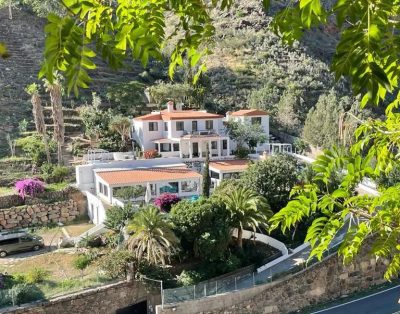
The southern coast, around Costa Adeje, is home to most of the large resort infrastructure — purpose-built conference facilities, full-service spas, and seafront properties equipped for groups ranging from 20 to several hundred. But the north tells a different story. Traditional Canarian architecture, working banana plantations, and a slower pace make the northern villages better suited to wellness retreat programmes where immersion and authenticity matter more than amenity density.
Tenerife is home to renowned spas, yoga retreats, and oceanfront resorts designed to help groups recharge, which means the island handles both ends of the spectrum: corporate retreat organizers who need breakout rooms and AV-equipped boardrooms, and yoga retreat teachers looking for a quiet finca with outdoor shala space. Mount Teide — the highest peak in Spain — provides a dramatic backdrop for hiking team-building activities that are genuinely difficult to replicate elsewhere in Europe.
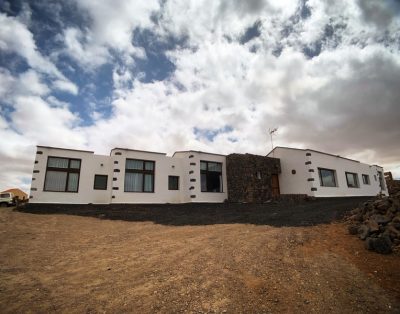
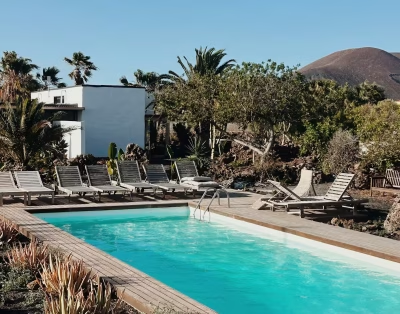
Lanzarote operates on a different frequency. The island’s volcanic landscape — black lava fields, cone-shaped hills, and white-walled villages designed by local artist César Manrique — creates an almost otherworldly visual context that tends to land differently on participants than a conventional beach resort.
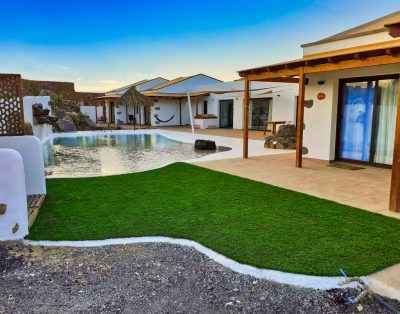
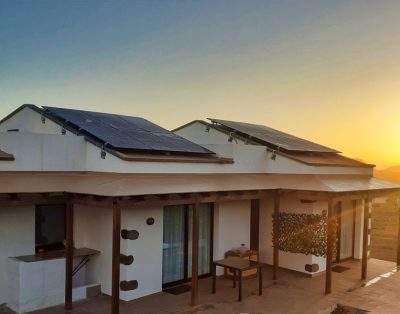
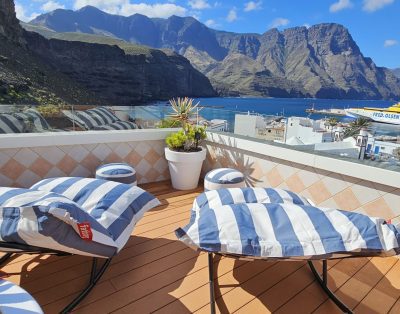
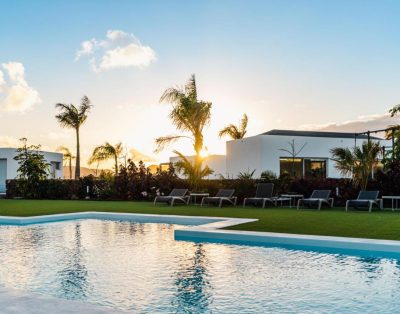
From ocean-view resorts and eco-villas to boutique hotels surrounded by volcanic terrain, Lanzarote offers a wide range of venues, many designed with sustainability and wellbeing in mind, providing a peaceful setting for workshops, strategy sessions, and group activities. That sustainability angle is increasingly relevant: a growing number of retreat organizers are under pressure from clients and participants to make environmentally conscious venue choices, and Lanzarote has a stronger eco-property ecosystem than most comparable islands.
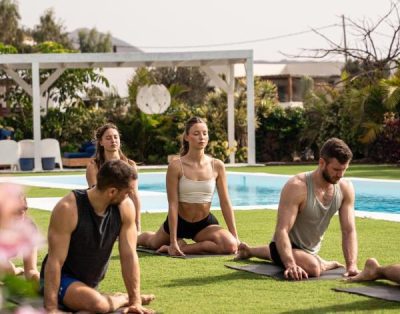
For wellness retreat programming specifically, the island’s pace is hard to beat. Between sessions, groups can explore Timanfaya National Park, enjoy a wine tasting in La Geria, or relax with seaside dinners and outdoor yoga sessions — all activities that feel genuinely rooted in place rather than generic add-ons.
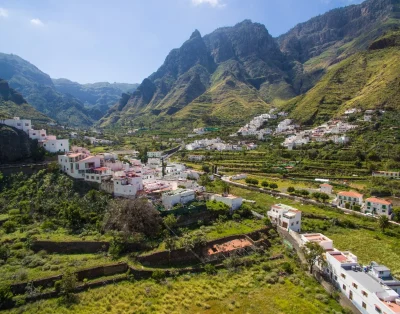
Gran Canaria is often described as a “continent in miniature” — its diverse landscapes range from pristine beaches to lush mountains, providing a varied backdrop for both corporate events and wellness programming.
That variety is practically useful. A corporate retreat in Gran Canaria can open with a strategy session at a Las Palmas conference hotel, shift to a team-building afternoon in the dunes of Maspalomas, and close with dinner in a traditional finca in the hills — all within the same day, without long transfers. Direct flights from major European cities make organizing a retreat in Gran Canaria logistically convenient, and the island’s airport is one of the busiest in the archipelago.
For yoga retreat teachers, Gran Canaria’s landscape diversity opens up interesting programme design. The dramatic volcanic terrain lends itself to guided hikes combined with daily meditation and yoga practice, with group sizes that can be kept small to foster genuine community among participants. Las Palmas, the island’s capital, also offers an urban yoga scene for organizers who prefer city-based formats.
Fuerteventura is the oldest island in the archipelago geologically, and arguably the most elemental. It’s flat, windswept, and dominated by long stretches of pale sand that stretch for kilometres without interruption. Known informally as “the Hawaii of Europe”, the island is characterized by a desert-like landscape, pristine beaches, and a strong surf and yoga culture.
That surf dimension is genuinely distinctive. Fuerteventura hosts international windsurfing competitions and consistently produces some of the best conditions in Europe for water sports. For wellness retreat and yoga retreat organizers looking to build an active programme around ocean-based activities, the island offers an infrastructure — instructors, boards, wetsuits, guiding — that’s hard to match elsewhere in the Canaries.
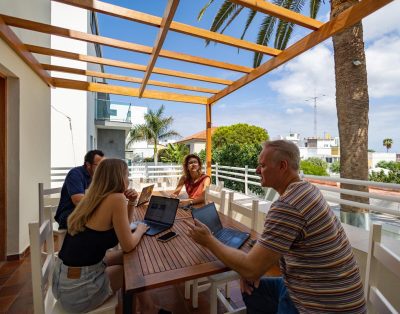
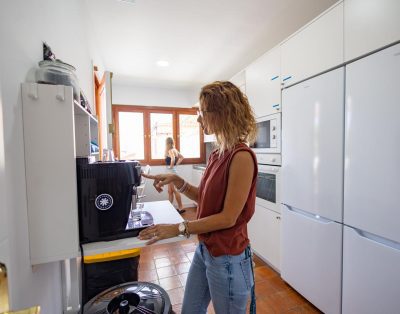
The island has also emerged as a hub for digital nomads in Europe, which means coliving-style properties with reliable high-speed internet, coworking areas, and flexible accommodation configurations are more readily available here than on the other major islands. For corporate retreat organizers leading remote-first or hybrid teams, that setup is increasingly what they’re looking for.
Regardless of which island you’re drawn to, these are the questions that actually determine whether a venue can support your programme.
Many Canary Islands properties also operate as hotels or guesthouses taking public bookings. For retreat organizers, that creates a real question: will your group be sharing communal spaces with unrelated guests? A busy pool area or a mixed-use restaurant can significantly undermine the group container you’re trying to build — particularly on wellness retreatprogrammes where psychological safety matters.
Always ask whether a full buyout is available, and if so, at what threshold. Some venues are more flexible on this than their websites suggest.
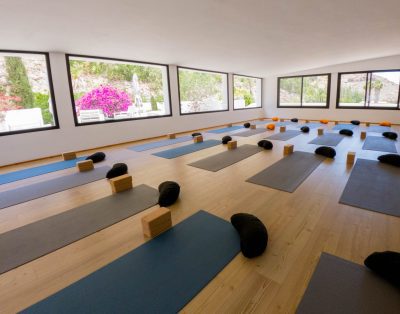
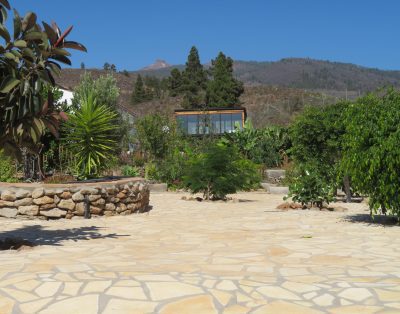
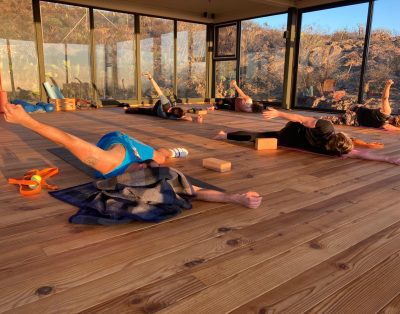
The Canary Islands’ climate is the whole point. Venues that can’t facilitate outdoor sessions — whether yoga, breathwork, workshops, or just morning circles — are giving up their biggest advantage. Look specifically for dedicated outdoor practice areas that offer shade, wind protection, and some degree of acoustic separation from road or resort noise.
For larger groups, hiring private coaches is an excellent option for airport transfers, but the logistics need to be coordinated early. Transfer times vary significantly depending on which part of each island the venue sits on. Tenerife South Airport to the north of the island, for example, is a 90-minute drive — meaningful when participants are arriving on tight timelines after long-haul connections.
Retreat participants increasingly arrive with specific dietary requirements — not as a lifestyle preference, but as medical or ethical commitments. Venues that can handle complex group profiles (vegan, gluten-free, allergen-aware, and local/seasonal simultaneously) are worth prioritizing. The Canary Islands have strong local produce — fresh fish, tropical fruit, local cheeses, and Canarian wines from Lanzarote’s La Geria region — but not all properties have kitchens capable of working with it intelligently at group scale.
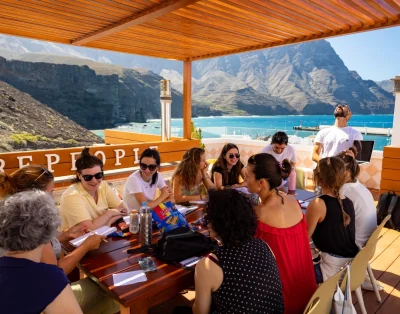
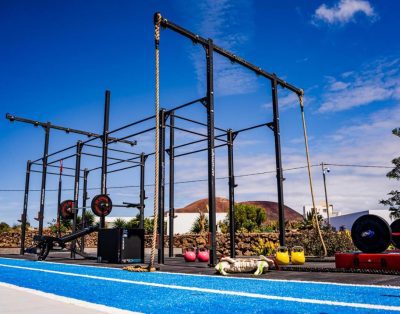
The archipelago accommodates a genuinely wide range of programme types. Corporate retreat organizers most commonly use the Canaries for annual offsites, leadership team gatherings, and remote team meetups — with the standard format being two to three days of structured sessions followed by a day of experiential activity. Team-bonding activities here range from windsurfing on Fuerteventura and hiking Teide to scuba diving and guided cultural tours, offering enough variety to build a programme that doesn’t feel templated.
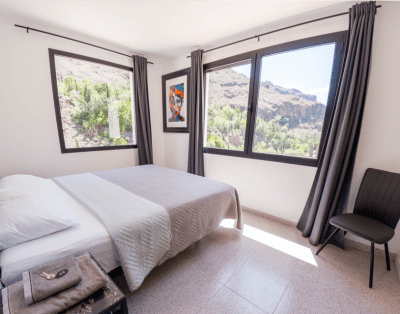
Wellness retreat and yoga retreat organizers tend to run five to eight-day formats, taking advantage of the climate to anchor daily practice outdoors. The islands’ detox and plant-based cuisine infrastructure has grown considerably in recent years. Dedicated retreat properties — particularly in Tenerife’s north and across Lanzarote — now offer full retreat packages including accommodation, catering, and wellness facilitation spaces as standard.
There is no bad season in the Canaries, but there are distinctions worth knowing. Winter, from November to March, draws the largest volume of European visitors escaping cold-weather climates. Venue availability is tighter, and prices reflect that. Spring and autumn offer more negotiating room and slightly quieter conditions — particularly relevant for retreat organizers who want exclusive use of a property without competing with peak tourism traffic.
As a general rule, securing a venue six months ahead is advisable for peak-season dates. For niche properties — small eco-retreats, private fincas, cliff-edge yoga venues — twelve months is not unreasonable.